
Winter rye and clover, managed rightly, strengthen the bottom line while building ecological capital
One of the most powerful lessons I’ve learned is that soil fertility doesn’t have to come in a bag with a barcode. I can grow it myself. Instead of depending on exogenous (off-site) inputs like synthetic nitrogen or phosphorus shipped from hundreds or thousands of miles away, I build soil health right here on the farm using cover crops and strategic plow-down techniques. A prime example is my use of winter rye and clover.
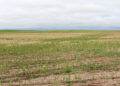
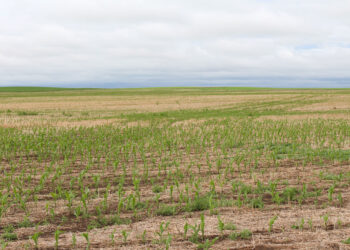
Every fall as my main annual crop comes off (corn, beans, squash, potatoes), I seed winter rye (or wheat or triticale) as a winter cover crop. The rye anchors the soil, scavenges leftover nutrients to be bound as biomass, and suppresses weeds. In late winter/early spring I frost-seed a mixture of white, red and yellow sweet clover and hairy vetch on top of the young grain.
I grow the grains to maturity; they can produce two to three tons of straw per acre, releasing up to 60 pounds of nitrogen per acre as it decays. The high-carbon straw doesn’t lock up nitrogen because it’s under sown with clover and no heavy feeder will be planted there until the following season. Upon harvest of the grain, the clover sprouts up through the rye straw and I let it go to seed. When the clover has set seed, I either mow it or roll it, adding an additional one to three tons of organic matter per acre and 100-150 pounds of nitrogen to the soil.
The root exudates from both crops feed the soil life while they’re alive, and their fibrous roots feed the soil when they’re decomposing. Come spring, I don’t have to reach for a fertilizer bag. Think about it – tons of mulch, and a full complement of fertilizer right out of thin air!
In subsequent years I might green chop, bale or graze the clover (getting a second, third or fourth yield for the dollar outlay of a couple bags of seed). After one or two years of clover, I plow down the green clover ahead of a heavy-feeding row crop (corn, cabbage, potatoes, etc.), which feeds the soil organisms that in turn feed my crops.
This practice not only enriches organic matter and humus levels but also improves moisture retention, aeration and long-term fertility. Disking in the hard, woody rye straw and brown, stemmy clover boosts the growth of fungi, which make additional phosphorus and potassium available for the next crop in rotation.
The economics of this endogenous approach are as compelling to me as the ecological benefits. By producing my own fertility on-farm, I insulate myself from the volatility of external supply chains. When synthetic fertilizers double in price or shipments are delayed due to global disruptions, I’m not left scrambling. My input production — nitrogen from clover, biomass from rye — is weather-dependent, not market-dependent. What’s more, I keep dollars on the farm rather than shipping them off to multinational corporations. This internal nutrient economy strengthens my bottom line while building ecological capital in the form of healthier, more resilient soil.
When I rely heavily on exogenous inputs because they seem cheap in the short term, I’m gambling on systems far outside my control — global markets, fossil fuel prices, international logistics, etc. I spend the money, it’s gone, and it might not even show yield results. But when I invest in endogenous fertility systems like cover crops, composting, rotational grazing and agroforestry, I’m betting on nature itself. And that, in my experience, is a far safer and more rewarding wager.