
Acres U.S.A.® Magazine
  • Articles
    • News
    • Ecological farming
      • Climate
      • Environmental Issues
      • Farm management & planning
      • Human health
    • Livestock
    • Farm
    • Crop
      • Crop management practices
        • Ag technology
        • Cover crops
        • Crop nutrition
          • Crop protection
          • Diseases
        • Crops
        • Fruits
    • Soil
    • Opinion
  • Resources
    • Magazine
    • Online Learning
    • Newsletters
    • Free Articles
    • Blog
  • Magazine Issues
    • 2026
      • February 2026
      • January 2026
    • 2025
      • December 2025
      • November 2025
      • October 2025
      • September 2025
      • August 2025
      • July 2025
      • June 2025
      • May 2025
      • April 2025
      • March 2025
      • February 2025
      • January 2025
    • 2024
      • December 2024
      • November 2024
      • October 2024
      • September 2024
      • August 2024
      • July 2024
      • June 2024
      • May 2024
      • April 2024
      • March 2024
      • February 2024
      • January 2024
    • 2023
      • December 2023
      • November 2023
      • October 2023
      • August 2023
      • July 2023
      • June 2023
      • May 2023
      • April 2023
      • March 2023
      • February 2023
      • January 2023
    • 2022
      • December 2022
      • November 2022
      • October 2022
      • September 2022
      • August 2022
      • July 2022
      • June 2022
      • May 2022
      • April 2022
      • March 2022
      • February 2022
  • About Us
    • Our History
    • Our Staff
    • Contact Us
    • Community
      • Soil Health Primer Resources
  • Events
    • Eco-Ag Conference
    • Farm Weird Event
    • Viroqua On Farm Event
  • Subscribe
  • Login
  • Register
No Result
View All Result
  • Articles
    • News
    • Ecological farming
      • Climate
      • Environmental Issues
      • Farm management & planning
      • Human health
    • Livestock
    • Farm
    • Crop
      • Crop management practices
        • Ag technology
        • Cover crops
        • Crop nutrition
          • Crop protection
          • Diseases
        • Crops
        • Fruits
    • Soil
    • Opinion
  • Resources
    • Magazine
    • Online Learning
    • Newsletters
    • Free Articles
    • Blog
  • Magazine Issues
    • 2026
      • February 2026
      • January 2026
    • 2025
      • December 2025
      • November 2025
      • October 2025
      • September 2025
      • August 2025
      • July 2025
      • June 2025
      • May 2025
      • April 2025
      • March 2025
      • February 2025
      • January 2025
    • 2024
      • December 2024
      • November 2024
      • October 2024
      • September 2024
      • August 2024
      • July 2024
      • June 2024
      • May 2024
      • April 2024
      • March 2024
      • February 2024
      • January 2024
    • 2023
      • December 2023
      • November 2023
      • October 2023
      • August 2023
      • July 2023
      • June 2023
      • May 2023
      • April 2023
      • March 2023
      • February 2023
      • January 2023
    • 2022
      • December 2022
      • November 2022
      • October 2022
      • September 2022
      • August 2022
      • July 2022
      • June 2022
      • May 2022
      • April 2022
      • March 2022
      • February 2022
  • About Us
    • Our History
    • Our Staff
    • Contact Us
    • Community
      • Soil Health Primer Resources
  • Events
    • Eco-Ag Conference
    • Farm Weird Event
    • Viroqua On Farm Event
  • Subscribe
No Result
View All Result
Acres U.S.A.® Magazine
No Result
View All Result
Home Magazine issues August 2025

Working the Soil in a Biologically Friendly Manner

Acres U.S.A. by Acres U.S.A.
August 1, 2025
in August 2025, Reviews
0
Working the Soil in a Biologically Friendly Manner

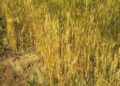
Wildrye root spreading through a water buildup caused by soil compaction.

0
SHARES
153
VIEWS
Share on FacebookShare on Twitter

An excerpt from Healthy Soils, Sick Soils: Understanding the Nature of Humus and How It Functions in Farming Systems by Margareth Sekera, published by Acres U.S.A.

The most important device for working the soil is the plow, so it’s no surprise that there is constant debate over what type of plow is the best. There’s no dogmatic answer to this question because the benefits of one plow over another can only be decided on a case-by-case basis. What’s isn’t disputed is that the best plowing is plowing that gives the plant roots the best chance to develop, that creates friable topsoil with access to the subsoil so that the roots can grow deep and have access to the water reserves in dry periods.

But the plow is not just a tool for loosening soil. It also deposits the material left over from the previous harvest to where it can be used as food for the organisms the next year.

The question always comes up: How deep should the topsoil be? There’s no single figure either in general or for a given specific field. It depends on how deep the plants can make the soil friable (i.e., how deep the topsoil’s biological tillage reaches). J. Görbing believed that there are natural limits to where the soil can be made friable, a maximum of 8.6 inches (22 centimeters) in moderate climates and just 6.2 inches (16 centimeters) in hot areas. Later research by F. Sekera showed that these depths were underestimated. The depths also change with the seasons. Up to 11.8 inches (30 centimeters) or more can be made friable in healthy soil in the spring and fall with a shallower area in the hot season. This is because the more intensively the soil organisms aspirate, the more oxygen they need, which limits the range of soil layers that can provide a sufficient supply. You can thus never specify an exact point where the soil can no longer be made friable, just a vague range with fluctuations from season to season.

There are three big plowing mistakes that can ruin even the best soil:

1. The plow furrow is too shallow and always the same depth every year.

2. The soil is turned too deeply.

3. The plow furrow is too wide.

The first mistake is occurring less and less frequently nowadays. It used to be common on small farms. If you only turn the soil shallowly each year and always drag the plowshare (often even a blunt one) along the soil at the same depth, then you’ll gradually create a hard plow pan underneath the shallow layer of crumbly topsoil that roots cannot break through. Water also collects on the plow pan, and plants will alternate between being too wet and too dry if the connection to the subsoil is broken. The space available to the roots is too limited for you to be able to expect a satisfactory harvest. Furthermore, plow pans make the perfect source of nutrients for couch grass. Couch grass’s rhizomes form especially well in moist layers. They can’t penetrate through the compacted plow pan, so they form a dense tangle on the lower border of the topsoil and survive at the expense of the crop in the already limited root area. The figure shows the penetration and spread of the couch grass roots at this border.

People learned from these mistakes and started to use deeper topsoil layers. That always causes an initial increase in yields. Available land is determined not by surface area but by surface area times the depth of the usable soil, and the plant has large reservoirs of water and nutrients now available. Nevertheless, you have to be careful not to make any mistakes when deepening the topsoil or your success could turn into a failure, leaving you with greater difficulties than you had before.

Turning too deeply is one such mistake. Doing so dilutes the densely rooted part of the topsoil with the sparsely rooted lower topsoil. As has already been addressed repeatedly, the soil requires an abundant supply of residue from organisms for biological tillage to create a crumb structure. You can tell from a topsoil’s cross-section how the previous crop’s roots spread through the soil. The upper portion is densely rooted, whereas the lower part of the topsoil has only sparse roots. This is significant because it tells you where the nutrients for the next year’s organisms are located. Only the densely rooted portion of the soil can become friable because it’s the only area that provides the necessary conditions for thorough biological tillage to take place. Until recently the rule of thumb was to turn cereal crops more shallowly and root crops more deeply. This would generally also encompass the sparsely rooted layer, meaning that people were burying the densely rooted soil that could become friable underneath the sparsely rooted soil that could not. This is the wrong approach because the stable crumbs need to be on the surface where they can be hit by rain. If they’re not, not enough biological tillage will take place in the crumbs created by the plow on the surface, and they’ll break up and turn to silt after the first rainfall. A crust will form, preventing air from entering the soil. The lower portion of the topsoil would indeed provide excellent conditions for sufficient biological tillage in the crumbs since it would contain large amounts of root remains to feed soil organisms, but the crust would prevent the soil from being sufficiently aerated for this to take place. Biological tillage would therefore not even happen in the interior of the topsoil, leading to the topsoil gradually crumpling and suffering progressive disturbances to its cross-section.

But even worse: the damage continues and has an even greater effect the next year. If you think about how the plow brings the compacted areas upward and brings clods to the surface, then it’s easy to imagine what the consequences would be. It is possible, with great effort, to break up these clods, and the frost can loosen them, but you’re missing the key factor: the crumbs are not stable! A one-time issue with soil friability can be accelerated and worsened each year with improper plow work.

What is the right way to turn the soil? Once you’ve used the spade test to figure out how deep the densely rooted layer is, you can adjust the plow based on your findings. This layer is enough, even if it’s shallow, as long as there are no compacted areas underneath it and the roots can grow downward unhindered. If there are compacted areas, they mustn’t be brought toward the surface, but first loosened to the point that roots can penetrate them and bring new life to the compacted soil. How deeply you have to loosen the soil depends on the depth of the compacted area.

The right way to approach depth in tillage is therefore to turn the shallow soil and loosen the deep soil. This is best accomplished with a two-layer plow.

***

The key point to get across is that technical field work can be carried out more easily and with more certainty if you recognize the biological work that is happening. Again and again we return to the idea that plants are the foremost creators of good tilth, and that the best that can be expected from a mechanical method is a mechanical preparation for the ensuing biological processes. The more care you take to maintain your soil’s friability, the easier and cheaper mechanical field work will become.

This popular 1943 treatise on biologically correct working of soil was written by the famous soil scientist Prof. Dr. Franz Sekera, carefully edited and expanded by his wife, scientist Margareth Sekera. Starting with the basic concepts of “tilth” and “soil structure” and moving along to the symptoms of unhealthy soil and the behavior of plants on non-friable fields, Sekera investigates the complex interrelationships in the soil as well as the practical measures to preserve and improve soil tilth.

← Previous Giant Pumpkins and Spice Next ECO-MEETINGS →
Tags: CompactionSekeraTilth
Acres U.S.A.

Acres U.S.A.

North America’s oldest publisher on production-scale organic and regenerative farming. For more than 50 years, our mission has been to help farmers, ranchers and market gardeners grow food profitably, regeneratively, and with nature in mind.

Next Post
Secretary Rollins Announces USDA Reorganization

Secretary Rollins Announces USDA Reorganization

  • Trending
  • Comments
  • Latest
The Most Important Livestock in Our Fields

The Most Important Livestock in Our Fields

July 1, 2024
Glyphosate Does What It’s Designed to Do — Kill

Glyphosate Does What It’s Designed to Do — Kill

February 19, 2025
The Take-Half, Leave-Half Fallacy

The Take-Half, Leave-Half Fallacy

July 1, 2025
White snakeroot

Toxic Forages?

September 1, 2025
We Don’t Need Another Bridge — We Need an Off-Ramp

We Don’t Need Another Bridge — We Need an Off-Ramp

3
Under One Roof

Under One Roof

3
A Rose By Any Other Name

A Rose By Any Other Name

2
Terra Preta’s Biological Advantage

Terra Preta’s Biological Advantage

2
Don’t You Dare Disparage Sugar!

Don’t You Dare Disparage Sugar!

February 3, 2026
February 2026 • Issue #656

February 2026 • Issue #656

February 1, 2026
Fungal Exchange Capacity

Fungal Exchange Capacity

February 1, 2026
ECO-MEETINGS

ECO-MEETINGS

February 1, 2026

Recent News

Don’t You Dare Disparage Sugar!

Don’t You Dare Disparage Sugar!

February 3, 2026
February 2026 • Issue #656

February 2026 • Issue #656

February 1, 2026
Fungal Exchange Capacity

Fungal Exchange Capacity

February 1, 2026
ECO-MEETINGS

ECO-MEETINGS

February 1, 2026

About ACRES USA

Acres U.S.A.® Magazine

Acres U.S.A.® is North America’s oldest publisher on production-scale organic and regenerative farming. For more than 50 years, our mission has been to help farmers, ranchers and market gardeners grow food profitably and sustainably, with nature in mind.

Visit Our Advertisers

Magazine Issues

  • News
  • 2025
    • June 2025
    • May 2025
    • April 2025
    • March 2025
    • February 2025
    • January 2025
  • 2024 Articles
    • December 2024
    • November 2024
    • October 2024
    • September 2024
    • August 2024
    • July 2024
    • June 2024
    • May 2024
    • April 2024
    • March 2024
    • February 2024
    • January 2024
  • December 2023
    • December 2023
    • November 2023
    • October 2023
    • August 2023
    • July 2023
    • June 2023
    • May 2023
    • April 2023
    • March 2023
    • February 2023
    • January 2023
  • December 2022
    • November 2022
    • October 2022
    • September 2022
    • August 2022
    • July 2022
    • June 2022
    • May 2022
    • April 2022
    • March 2022

Contact Acres U.S.A

  • Contact Us
  • About Us
  • Advertise With Acres U.S.A.
  • My Subscription

Learn

  • Resources
  • Events
  • Magazine
  • Newsletters
  • Free Articles
  • Webinars
  • Online Courses
  • Bookstore

Our All Socials

Follow With Us...

  • My account
  • News
  • Ecological farming
  • Refund and Returns Policy
  • Privacy & Policy

© 2024 Acers USA Magazine

Welcome Back!

Login to your account below

Forgotten Password? Sign Up

Create New Account!

Fill the forms below to register

All fields are required. Log In

Retrieve your password

Please enter your username or email address to reset your password.

Log In
No Result
View All Result
  • HOME
  • ARTICLES
    • News
    • Farm
    • Ecological farming
    • Livestock
    • Crop
      • Crop management practices
      • Cover crops
      • Crop nutrition
      • Crop protection
      • Crops
      • Ag technology
    • Soil
    • Opinion
  • RESOURCES
    • Magazine
    • Online Learning
    • Newsletters
    • Blog
    • Free Articles
  • MAGAZINE ISSUES
    • 2025
      • June 2025
      • May 2025
      • April 2025
      • March 2025
      • February 2025
      • January 2025
    • 2024
      • December 2024
      • November 2024
      • October 2024
      • September 2024
      • August 2024
      • July 2024
      • June 2024
      • May 2024
      • April 2024
      • March 2024
      • February 2024
      • January 2024
    • 2023
      • December 2023
      • November 2023
      • October 2023
      • August 2023
      • July 2023
      • June 2023
      • May 2023
      • April 2023
      • March 2023
      • February 2023
      • January 2023
  • ABOUT US
    • Our History
    • Our Staff
    • Contact Us
    • Community
      • Soil Health Primer Resources
  • EVENTS
    • Eco-Ag Conference
    • On-Farm Viroqua Event
    • Farm Weird
  • SUBSCRIBE
  • Login
  • Sign Up
  • Cart

© 2024 Acers USA Magazine

Are you sure want to unlock this post?
Unlock left : 0
Are you sure want to cancel subscription?