Acres U.S.A.® Magazine
  • Articles
    • News
    • Ecological farming
      • Climate
      • Environmental Issues
      • Farm management & planning
      • Human health
    • Livestock
    • Farm
    • Crop
      • Crop management practices
        • Ag technology
        • Cover crops
        • Crop nutrition
          • Crop protection
          • Diseases
        • Crops
        • Fruits
    • Soil
    • Opinion
  • Resources
    • Magazine
    • Online Learning
    • Newsletters
    • Free Articles
    • Blog
  • Magazine Issues
    • 2026
      • February 2026
      • January 2026
    • 2025
      • December 2025
      • November 2025
      • October 2025
      • September 2025
      • August 2025
      • July 2025
      • June 2025
      • May 2025
      • April 2025
      • March 2025
      • February 2025
      • January 2025
    • 2024
      • December 2024
      • November 2024
      • October 2024
      • September 2024
      • August 2024
      • July 2024
      • June 2024
      • May 2024
      • April 2024
      • March 2024
      • February 2024
      • January 2024
    • 2023
      • December 2023
      • November 2023
      • October 2023
      • August 2023
      • July 2023
      • June 2023
      • May 2023
      • April 2023
      • March 2023
      • February 2023
      • January 2023
    • 2022
      • December 2022
      • November 2022
      • October 2022
      • September 2022
      • August 2022
      • July 2022
      • June 2022
      • May 2022
      • April 2022
      • March 2022
      • February 2022
  • About Us
    • Our History
    • Our Staff
    • Contact Us
    • Community
      • Soil Health Primer Resources
  • Events
    • Eco-Ag Conference
    • Farm Weird Event
    • Viroqua On Farm Event
  • Subscribe
  • Login
  • Register
No Result
View All Result
  • Articles
    • News
    • Ecological farming
      • Climate
      • Environmental Issues
      • Farm management & planning
      • Human health
    • Livestock
    • Farm
    • Crop
      • Crop management practices
        • Ag technology
        • Cover crops
        • Crop nutrition
          • Crop protection
          • Diseases
        • Crops
        • Fruits
    • Soil
    • Opinion
  • Resources
    • Magazine
    • Online Learning
    • Newsletters
    • Free Articles
    • Blog
  • Magazine Issues
    • 2026
      • February 2026
      • January 2026
    • 2025
      • December 2025
      • November 2025
      • October 2025
      • September 2025
      • August 2025
      • July 2025
      • June 2025
      • May 2025
      • April 2025
      • March 2025
      • February 2025
      • January 2025
    • 2024
      • December 2024
      • November 2024
      • October 2024
      • September 2024
      • August 2024
      • July 2024
      • June 2024
      • May 2024
      • April 2024
      • March 2024
      • February 2024
      • January 2024
    • 2023
      • December 2023
      • November 2023
      • October 2023
      • August 2023
      • July 2023
      • June 2023
      • May 2023
      • April 2023
      • March 2023
      • February 2023
      • January 2023
    • 2022
      • December 2022
      • November 2022
      • October 2022
      • September 2022
      • August 2022
      • July 2022
      • June 2022
      • May 2022
      • April 2022
      • March 2022
      • February 2022
  • About Us
    • Our History
    • Our Staff
    • Contact Us
    • Community
      • Soil Health Primer Resources
  • Events
    • Eco-Ag Conference
    • Farm Weird Event
    • Viroqua On Farm Event
  • Subscribe
No Result
View All Result
Acres U.S.A.® Magazine
No Result
View All Result
Home Magazine features Eco-Farm

Plant Propagation

Charles Walters by Charles Walters
May 10, 2024
in Eco-Farm
0
Plant Propagation
0
SHARES
18
VIEWS
Share on FacebookShare on Twitter

Eco-Farm: An Acres U.S.A. Primer — Lesson 2: The Forgiveness of Nature, Part 2

Charles Walters

This is an excerpt from Charles Walters’ Eco-Farm — An Acres U.S.A. Primer, available from the Acres U.S.A. bookstore at bookstore.acresusa.com. Read more excerpts from this book using the category “Eco-Farm” (https://members.acresusa.com/magazine-features/eco-farm/).

5. Monocots and dicots 

As the name implies, monocots have seeds which contain only one seed leaf. Dicots have seeds containing two seed leaves. All are flowering plants, and all rely on sexual reproduction, probably nature’s greatest invention, rivaling only death as an evolutionary mandate. 
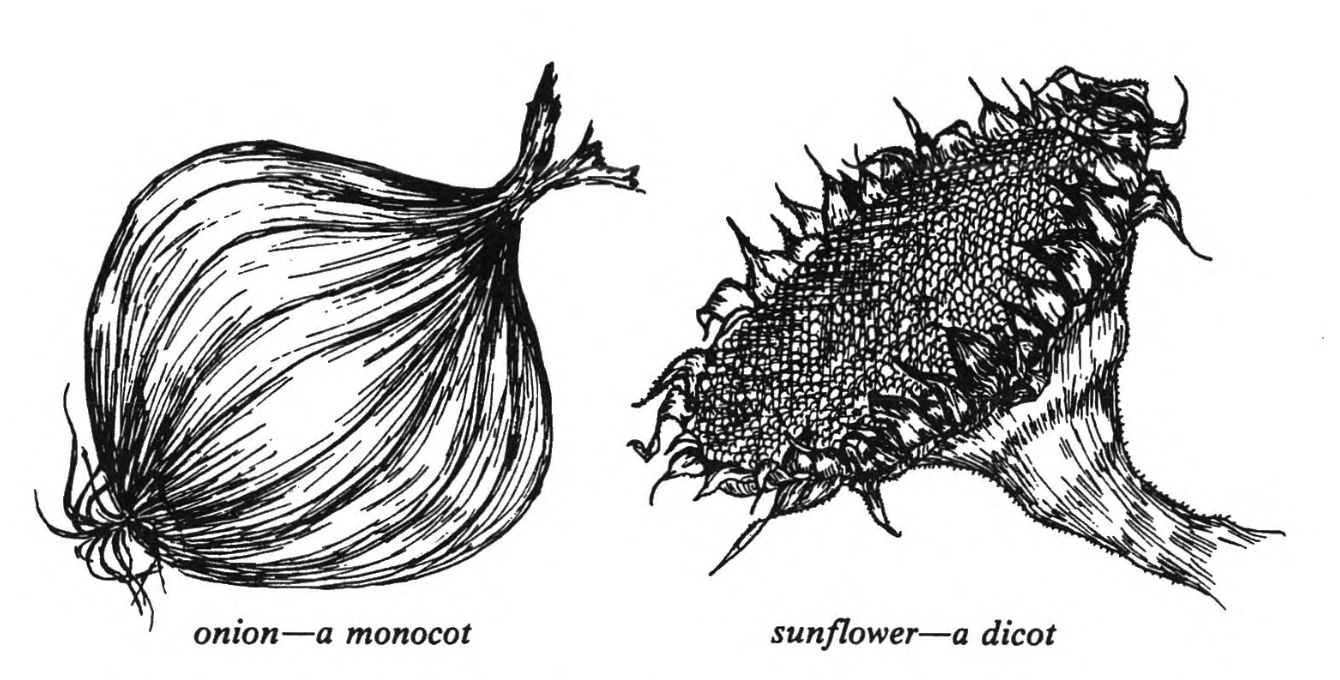
Among the important monocots and dicots in world agriculture are the following: 

Monocots: 

  • Bananas
  • Corn
  • Canes
  • Grasses
  • Lilies
  • Orchids
  • Onions
  • Pandanus
  • Palms
  • Sedges
  • Taros
  • Vanilla 

Dicots:

  • Beans
  • Rubber
  • Cocoa
  • Coffee
  • Oranges
  • Breadfruit
  • Yams
  • Croton
  • Crotalaria
  • Most garden flowers and vegetables 

6. The seedbed becomes a rootbed 

Seedbed is one of those words we wish had never been invented. At first glance, it seems appropriate enough—a prepared bed for placement of seeds for optimum growth and production. But nothing is static in any form of agriculture. The seed doesn’t stay a seed. Very soon the seedbed becomes a rootbed, and what may be suitable for a seed eating up its sustenance simply won’t do when tap roots go down and lateral roots venture out hard on the hunt for nutrients. 

When a seed germinates, a tiny root peeps out. It is called a radicle. As it ventures deeper and deeper, it often becomes a taproot, thus changing its role from being an opener to being an anchor. At the opening to the seed made by the radicle, two more roots venture forth. Styled lateral roots, these adventitious roots have roles that differ according to whether a plant is a dicot or a monocot The taproot is front burner stuff when the plant is a dicot. Not so with the monocot which relies more on the adventitious roots for stability against stress. 

Much like an army patrol, the root tip pushes ahead, down into the soil, as if paving the way for a whole host of fine white hair troops looking for a meal. Fine root hairs not only seek and find a whole cafeteria of food, they also carry home the water needed for plant life. 
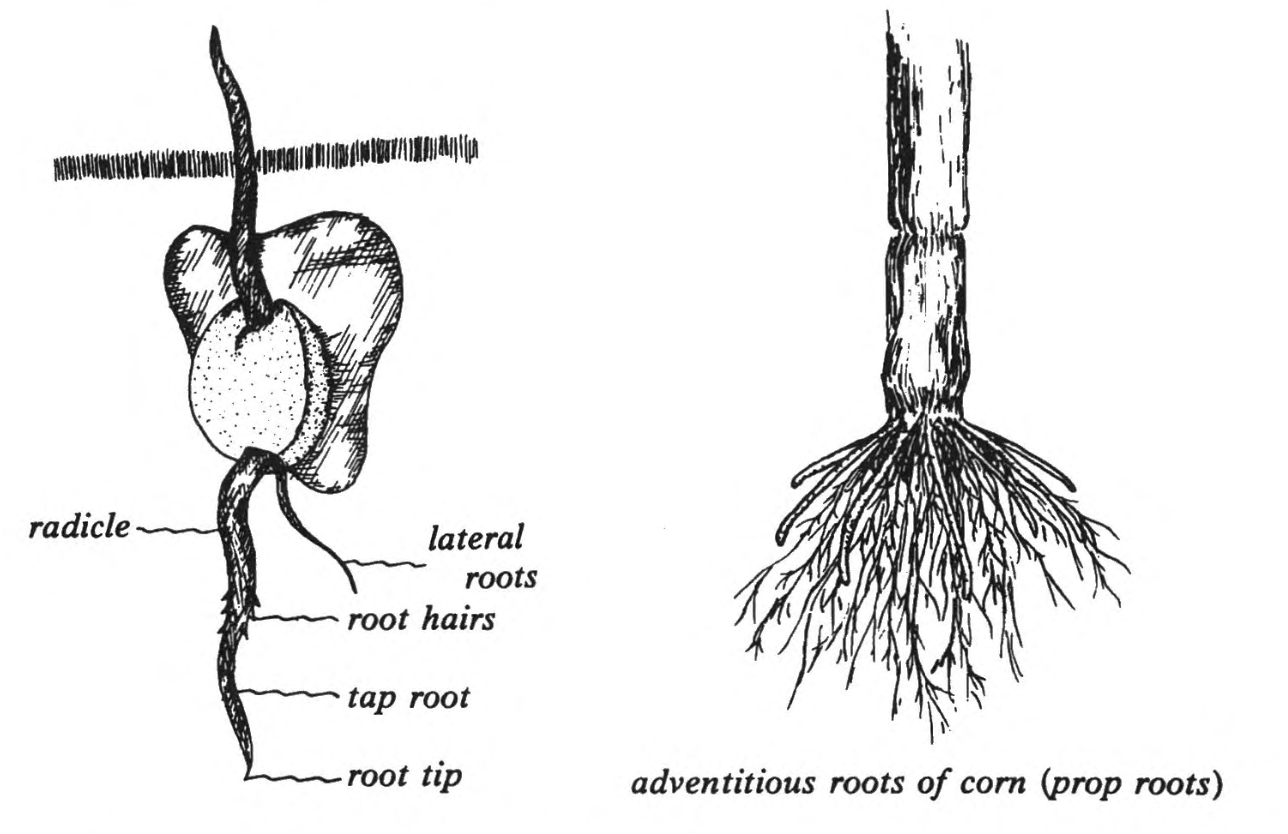
Watching a corn plant grow takes on the color of a miracle in slow motion. Little swellings appear along the sides of larger roots, and these form root eyes. Here lateral roots will form. If the stress of life breaks away a root, a new root will appear as if by magic out of one of the root eyes. After the soil really wakes up in spring, one can sometimes hear corn growing, so rapid and fantastic is the scenario of a seed sprung to life. 

An old paradox applies to almost any discussion of plant life. It says, all generalizations are false, including this one. One must always keep this point in mind when summarizing. Roots nevertheless have several things in common. They anchor the plant in the ground. They take up plant nutrients and participate in water transpiration. They store and hold plant food. And—here goes the generalization out the window—they propagate some species of plants, the sweet potato, for instance. 

The sweet potato is really a swollen root plant. The familiar Irish potato is a tuber that got mixed up in the evolutionary process and now grows its fruit on an underground stem. 

There are plants, of course, that have no root hairs, and there are plants that can be propagated with cuttings, such as grapes, in which case nutrients enter through the thin root epidermis. 

7. A typical plant 

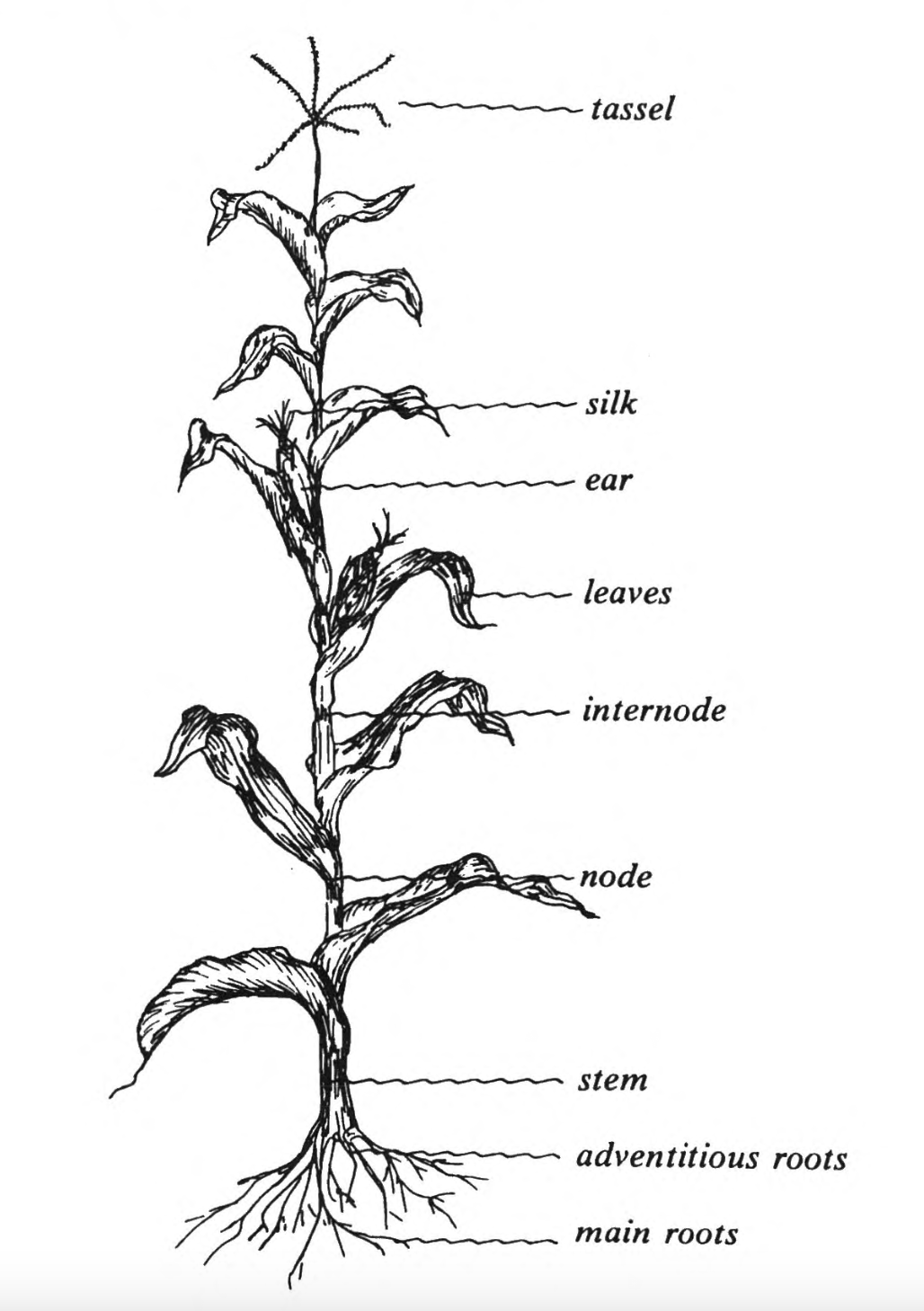
From the ground up, here is a typical plant—corn.
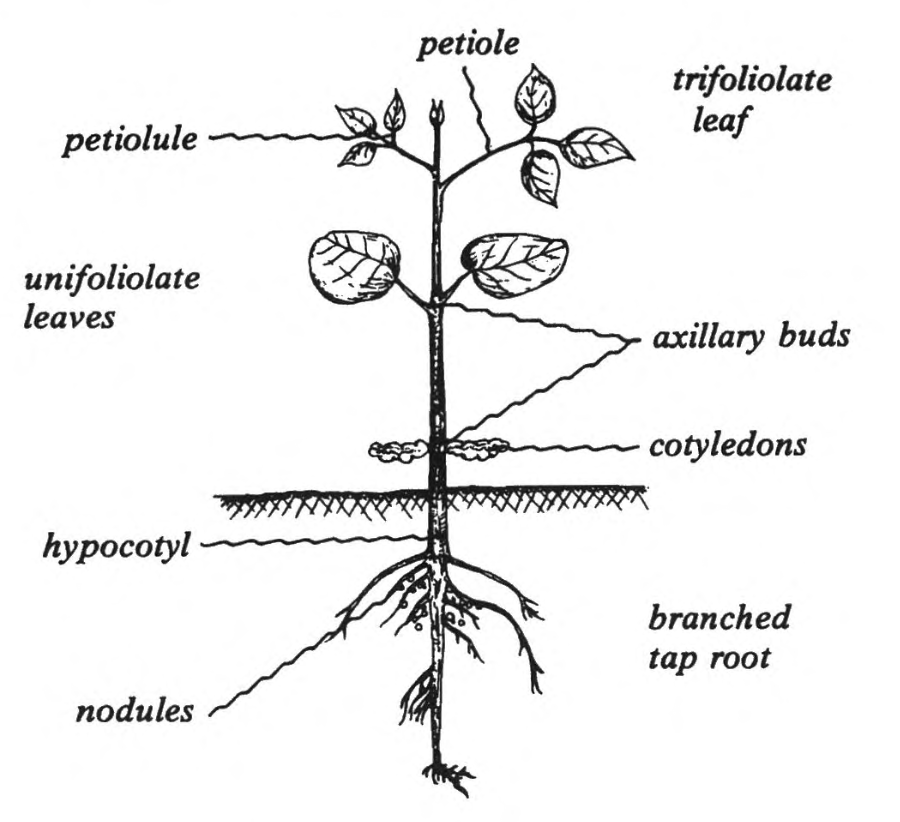
The soybean plant has a different nomenclature. 
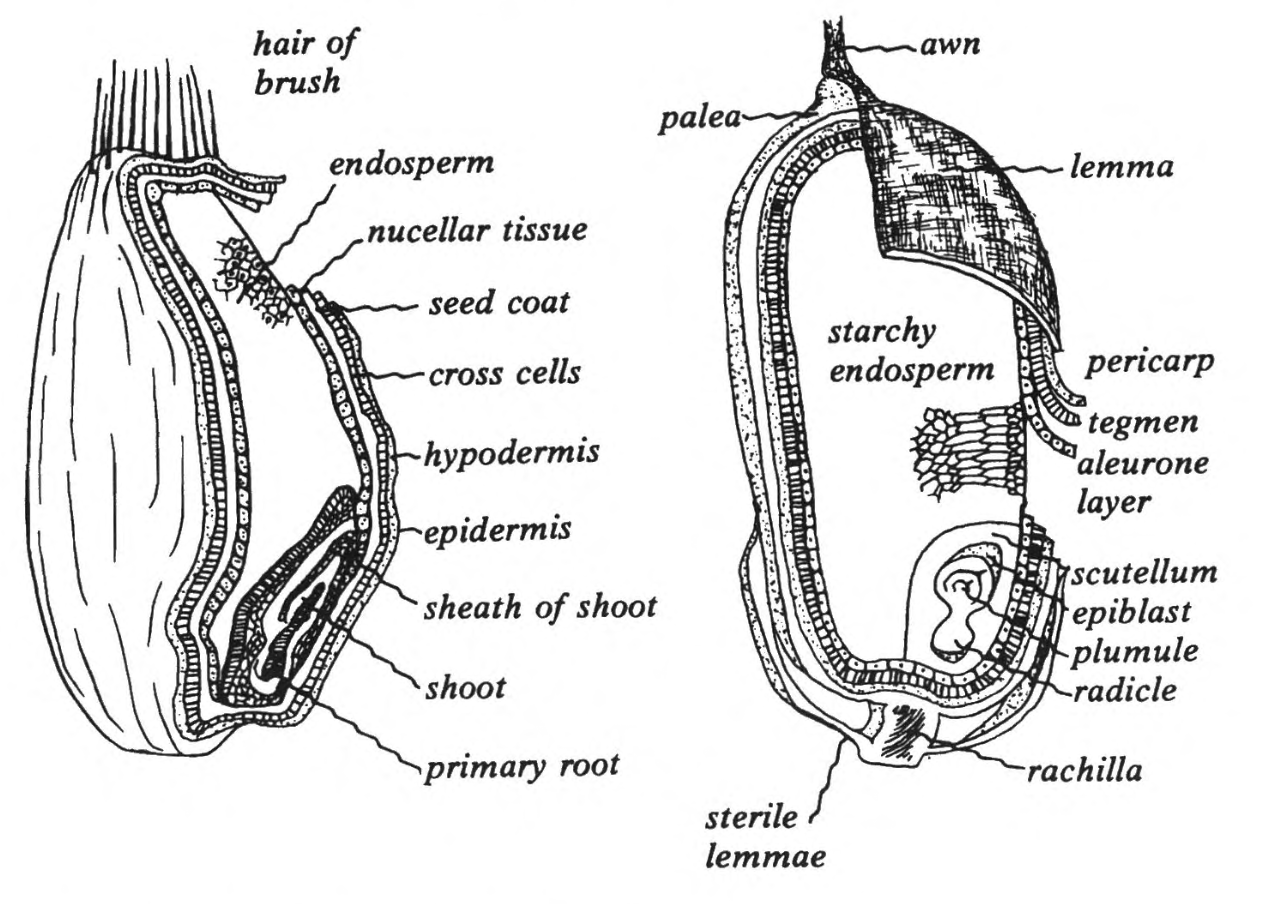
Here are wheat, left, and rice, right. 
8. Seeds and stems and leaves 

Seeds and stems and leaves have their several functions, stems carrying water and nutrients, holding up the structure of the plant and the fruit it produces. Seeds warehouse life and preside over the genetic makeup, the stamina, the health and the production capacity of the commercial plant. 

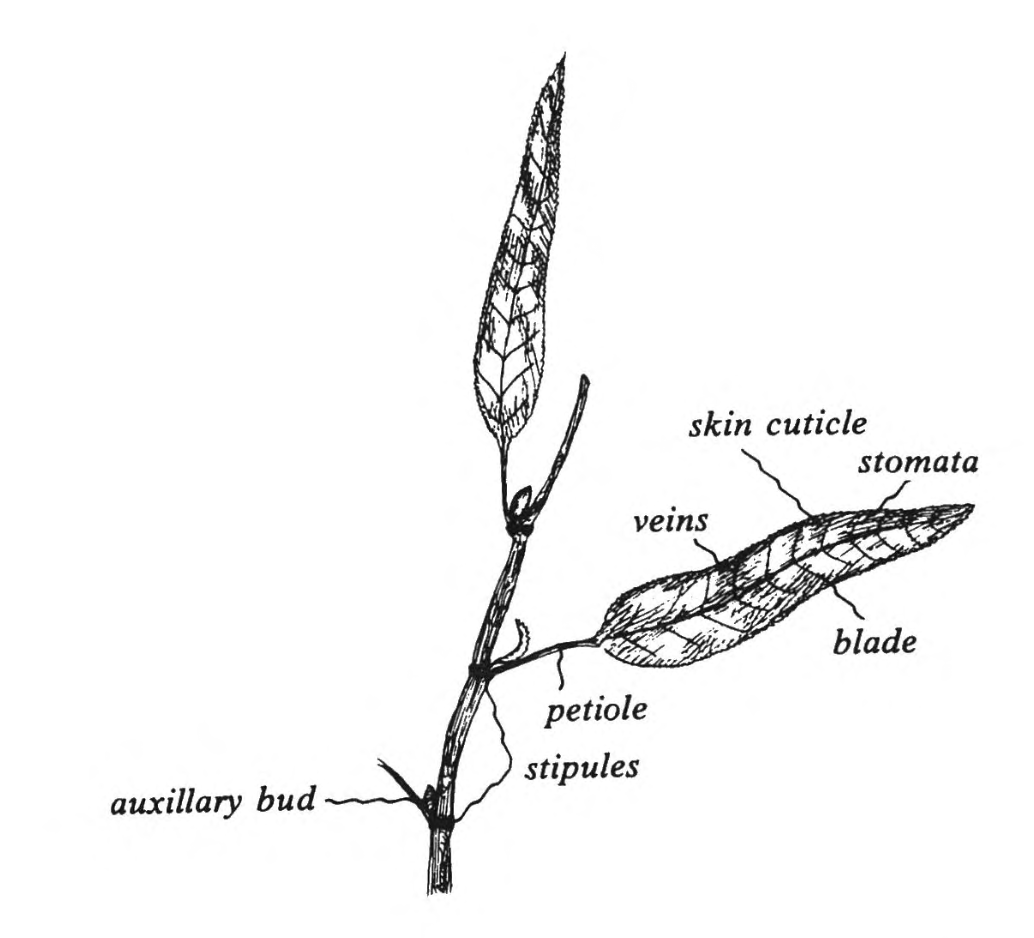
It is the leaf, however, that now attracts more attention than it has heretofore. Not that the nature of the plant has changed. Those foliage leaves at the tips of stems and branches still handle the chlorophyll payload that permits plants—during daylight hours—to make carbohydrates from starch and sugar from oxygen, hydrogen and carbon. A leaf has its own nomenclature. The skin is called a cuticle. It has tiny holes called a stomata. The stomata allows a leaf to breathe. 

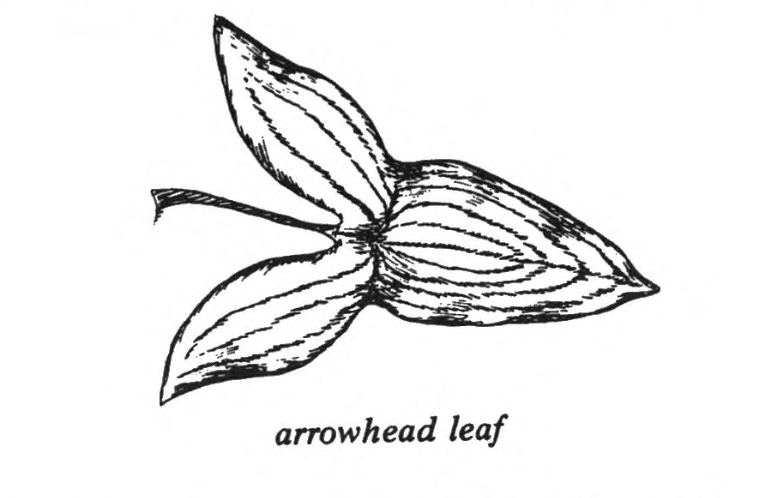
The leaf blade is held out, stretched and shaped by a midrib, a sturdy fiber that takes on the function of a barn’s roof timber. Leaf veins run across the leaf like secondary roads at the end of each section in the countryside. Sometimes they make a network, like trails and traces lacing country roads together in Vermont, and sometimes they keep their straight lines, like an Iowa section line. Dicot leaves form up at the stem via a narrow leaf stalk—the petiole. Monocot leaves attach themselves to the stem with a sheath or leaf base. 

Here is a dicot leaf, in this case the willow. 
The arrowhead leaf is typical of the monocot plant. 
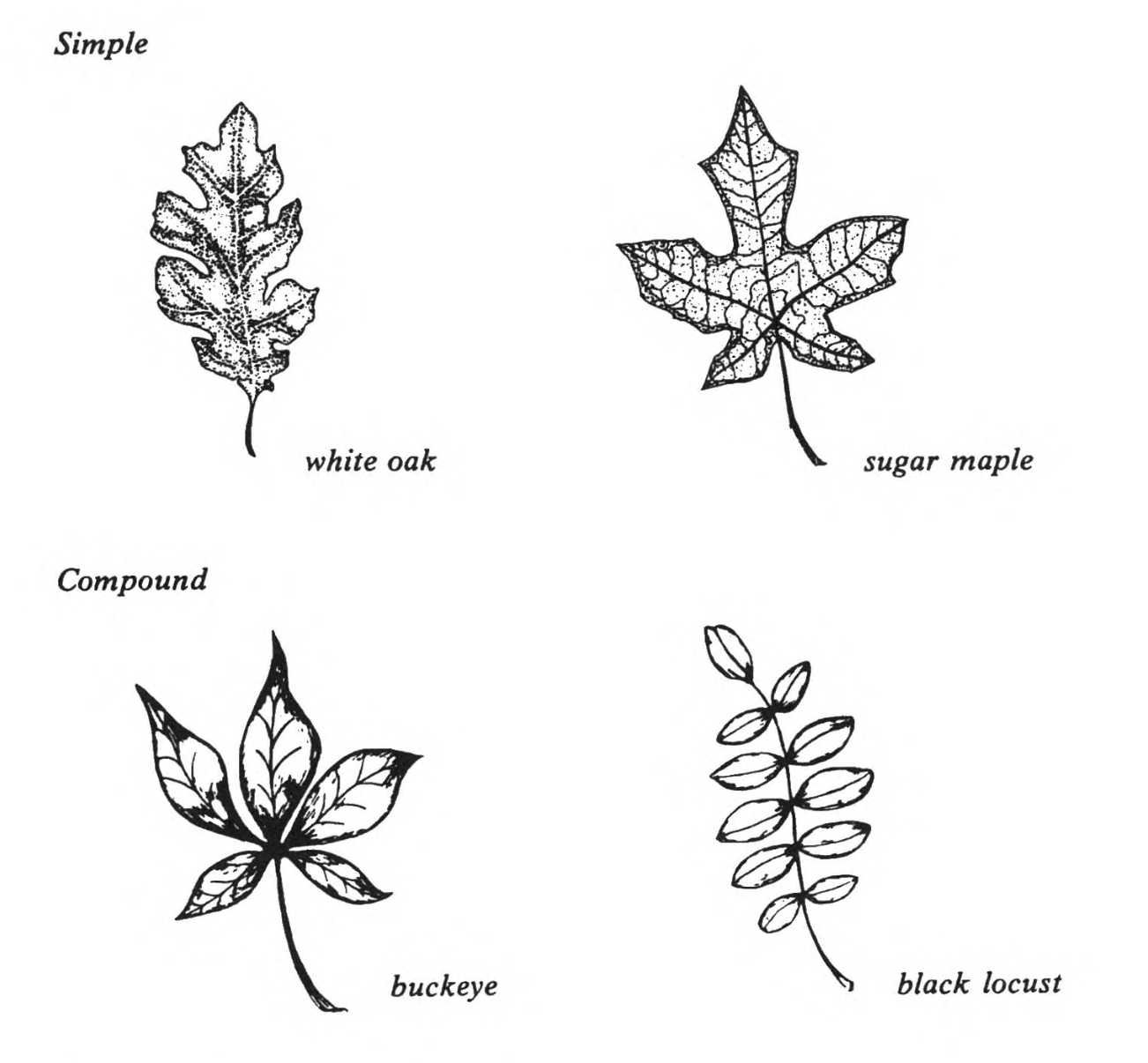
It is probably an oversimplification, but leaves come in two shapes— simple and compound. A leaf system is compound if it is composed of two or more small leaves. 
← Previous Grass Is “The Forgiveness of Nature” Next Cracking the Regenerative Hazelnut — Part 1 →
Tags: Eco-Farm
Charles Walters

Charles Walters

Next Post
Cracking the Regenerative Hazelnut — Part 1

Cracking the Regenerative Hazelnut — Part 1

  • Trending
  • Comments
  • Latest
The Most Important Livestock in Our Fields

The Most Important Livestock in Our Fields

July 1, 2024
Glyphosate Does What It’s Designed to Do — Kill

Glyphosate Does What It’s Designed to Do — Kill

February 19, 2025
The Take-Half, Leave-Half Fallacy

The Take-Half, Leave-Half Fallacy

July 1, 2025
White snakeroot

Toxic Forages?

September 1, 2025
We Don’t Need Another Bridge — We Need an Off-Ramp

We Don’t Need Another Bridge — We Need an Off-Ramp

3
Under One Roof

Under One Roof

3
A Rose By Any Other Name

A Rose By Any Other Name

2
Terra Preta’s Biological Advantage

Terra Preta’s Biological Advantage

2
Don’t You Dare Disparage Sugar!

Don’t You Dare Disparage Sugar!

February 3, 2026
February 2026 • Issue #656

February 2026 • Issue #656

February 1, 2026
Fungal Exchange Capacity

Fungal Exchange Capacity

February 1, 2026
ECO-MEETINGS

ECO-MEETINGS

February 1, 2026

Recent News

Don’t You Dare Disparage Sugar!

Don’t You Dare Disparage Sugar!

February 3, 2026
February 2026 • Issue #656

February 2026 • Issue #656

February 1, 2026
Fungal Exchange Capacity

Fungal Exchange Capacity

February 1, 2026
ECO-MEETINGS

ECO-MEETINGS

February 1, 2026

About ACRES USA

Acres U.S.A.® Magazine

Acres U.S.A.® is North America’s oldest publisher on production-scale organic and regenerative farming. For more than 50 years, our mission has been to help farmers, ranchers and market gardeners grow food profitably and sustainably, with nature in mind.

Visit Our Advertisers

Magazine Issues

  • News
  • 2025
    • June 2025
    • May 2025
    • April 2025
    • March 2025
    • February 2025
    • January 2025
  • 2024 Articles
    • December 2024
    • November 2024
    • October 2024
    • September 2024
    • August 2024
    • July 2024
    • June 2024
    • May 2024
    • April 2024
    • March 2024
    • February 2024
    • January 2024
  • December 2023
    • December 2023
    • November 2023
    • October 2023
    • August 2023
    • July 2023
    • June 2023
    • May 2023
    • April 2023
    • March 2023
    • February 2023
    • January 2023
  • December 2022
    • November 2022
    • October 2022
    • September 2022
    • August 2022
    • July 2022
    • June 2022
    • May 2022
    • April 2022
    • March 2022

Contact Acres U.S.A

  • Contact Us
  • About Us
  • Advertise With Acres U.S.A.
  • My Subscription

Learn

  • Resources
  • Events
  • Magazine
  • Newsletters
  • Free Articles
  • Webinars
  • Online Courses
  • Bookstore

Our All Socials

Follow With Us...

  • My account
  • News
  • Ecological farming
  • Refund and Returns Policy
  • Privacy & Policy

© 2024 Acers USA Magazine

Welcome Back!

Login to your account below

Forgotten Password? Sign Up

Create New Account!

Fill the forms below to register

All fields are required. Log In

Retrieve your password

Please enter your username or email address to reset your password.

Log In
No Result
View All Result
  • HOME
  • ARTICLES
    • News
    • Farm
    • Ecological farming
    • Livestock
    • Crop
      • Crop management practices
      • Cover crops
      • Crop nutrition
      • Crop protection
      • Crops
      • Ag technology
    • Soil
    • Opinion
  • RESOURCES
    • Magazine
    • Online Learning
    • Newsletters
    • Blog
    • Free Articles
  • MAGAZINE ISSUES
    • 2025
      • June 2025
      • May 2025
      • April 2025
      • March 2025
      • February 2025
      • January 2025
    • 2024
      • December 2024
      • November 2024
      • October 2024
      • September 2024
      • August 2024
      • July 2024
      • June 2024
      • May 2024
      • April 2024
      • March 2024
      • February 2024
      • January 2024
    • 2023
      • December 2023
      • November 2023
      • October 2023
      • August 2023
      • July 2023
      • June 2023
      • May 2023
      • April 2023
      • March 2023
      • February 2023
      • January 2023
  • ABOUT US
    • Our History
    • Our Staff
    • Contact Us
    • Community
      • Soil Health Primer Resources
  • EVENTS
    • Eco-Ag Conference
    • On-Farm Viroqua Event
    • Farm Weird
  • SUBSCRIBE
  • Login
  • Sign Up
  • Cart

© 2024 Acers USA Magazine

Are you sure want to unlock this post?
Unlock left : 0
Are you sure want to cancel subscription?