

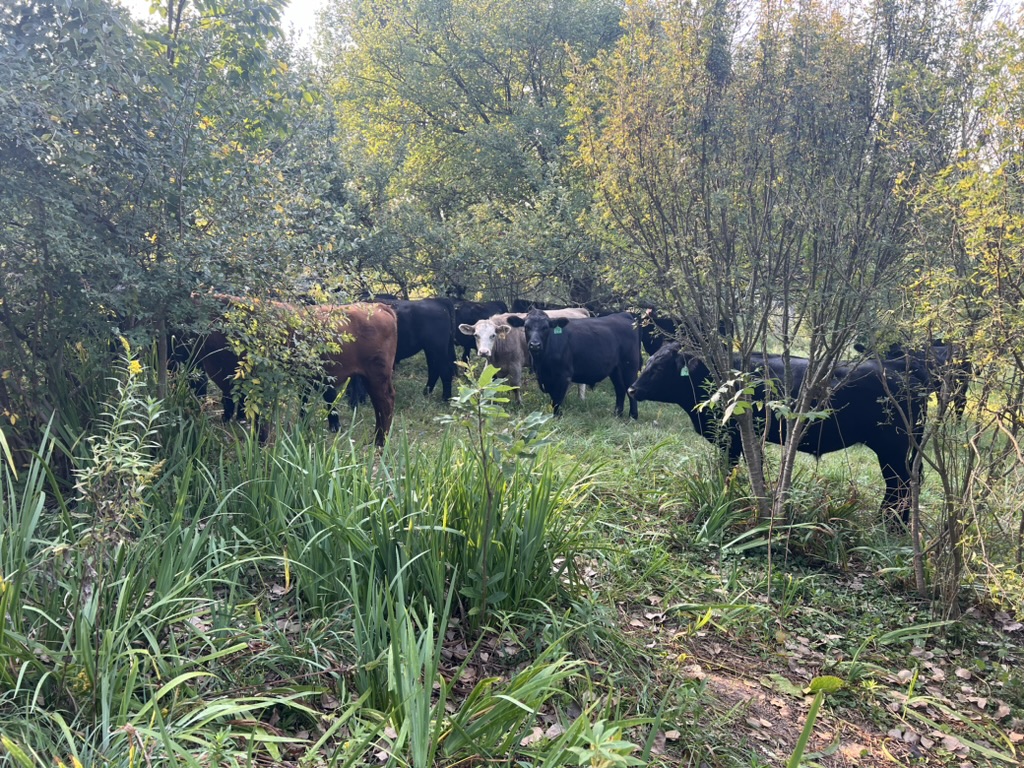

By managing photosynthesis, disturbance, and canopy structure, farmers can create regenerative ecosystems that capture more energy than traditional 2D cropland
As farmers and ranchers, we’re in the solar energy business.

The sun shines on the green leaves and stems of our crop plants and is the driver of photosynthesis. During photosynthesis, plants take in carbon dioxide from the air, and the energy from photosynthesis is used to connect carbon, hydrogen and oxygen and turn it into simple sugars. Simple sugars such as glucose are then reassembled to make more and more complex molecules. The product of these processes, whether in the form of a grain or a leaf or a vegetable, as well as the minerals contained in them, are the crop yields that we depend on for our livelihood. At the end of the day, a farmer or rancher’s yield and income are directly related to how much photosynthesis happens on our site.
Not all energy from photosynthesis turns into a marketable product, however. Some of the energy is used by the plant to make more complex molecules such as starches, oils, flavors, aromas, and colors, and for the general metabolism of the plant.
Support authors and subscribe to content
This is premium stuff. Subscribe to read the entire article.