

Will glimmers of hope brighten or be snuffed out by unintended consequences and entrenched interests?
Over the last several farm bill cycles, there was no grand plan to coax farmers to wander out of the rock and the hard place they find themselves in today. Passage of each farm bill required a balancing of policy reforms, fiscal realities, and initiatives that seemed responsive to the issues of the day and could also muster enough votes to hold together and win final passage.
The commodity program–food stamp coalition is credited with greasing the skids to get farm bills through the process. But there were other political dynamics at play that need to be unmasked and confronted for there to be any chance that policy reforms will become part of the solution to what ails U.S. agriculture and our food system.
Since the 1980s, farm commodity groups and agribusiness input industries have rallied around policies that encourage farmers to adopt new tech and seek higher yields. Commodity programs and crop insurance became bigger and steadier sources of cash from taxpayers that insulated farmers from periodic losses when the weather undercut yields, as it does in several years every decade, and when ample global supplies push international market prices below U.S. costs of production, as is the case today.
For some 30 years, our food and farm policies have pushed volume of production over crop and food quality and have underwritten specialization and scale at the expense of diversification and integration of crop and livestock farming. Policy choices have also driven farmer cash production costs steadily higher by incentivizing, first, control over more land to maximize subsidy streams and, second, pursuit of unsustainable yield goals to help “feed the world.”
Consolidation and Unintended Consequences
But that’s not all. Impactful changes have allowed grain buyers, meat packers and food companies to consolidate. Such changes have been buried in the bowels of each farm bill, as well as in annual appropriation bills and other legislation. As a result, buyers of farm and ranch products have steadily gained political and economic power that they have deployed with considerable skill in building wealth for their shareholders at the expense of farmers and taxpayers.
For good reason, there is deep-set mistrust of government and politicians in the Acres U.S.A. community. A high level of skepticism is warranted whenever anyone steps on stage and announces, “I have a plan …”
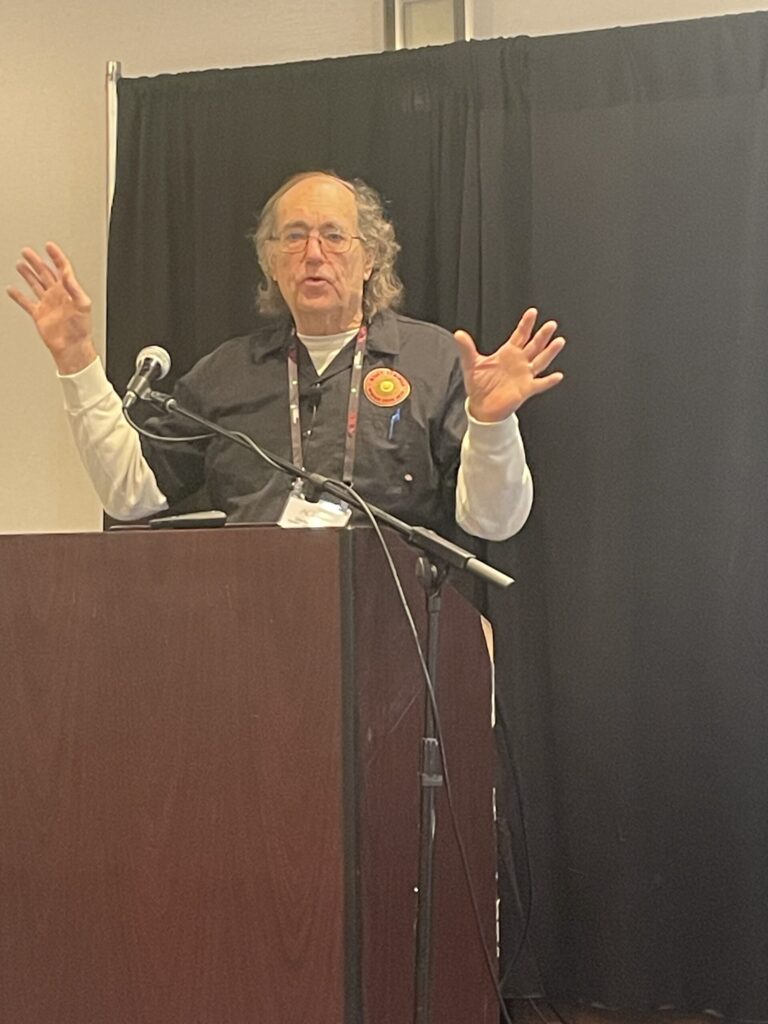
Such skepticism is also warranted in the case of the FEVER Act I am helping pull together, about which I spoke on December 4 at the Acres U.S.A. annual meeting in Madison.
| The FEVER Act is a comprehensive set of policy changes needed to transform food and agriculture in the U.S. Access the current version at hh-ra.org/V2-FEVER-Act. |
Major policy reforms like those in the FEVER Act occur rarely — not because it is impossible to drive change in U.S. agriculture and the food industry through policy and subsidy reforms (think CRP and corn-based ethanol) but because the policy reforms needed to make a meaningful difference, at scale, will be extremely unpopular among many stakeholder groups who are mostly OK with the status quo — i.e., as long as the subsidy train keeps rollin’ on down the track.
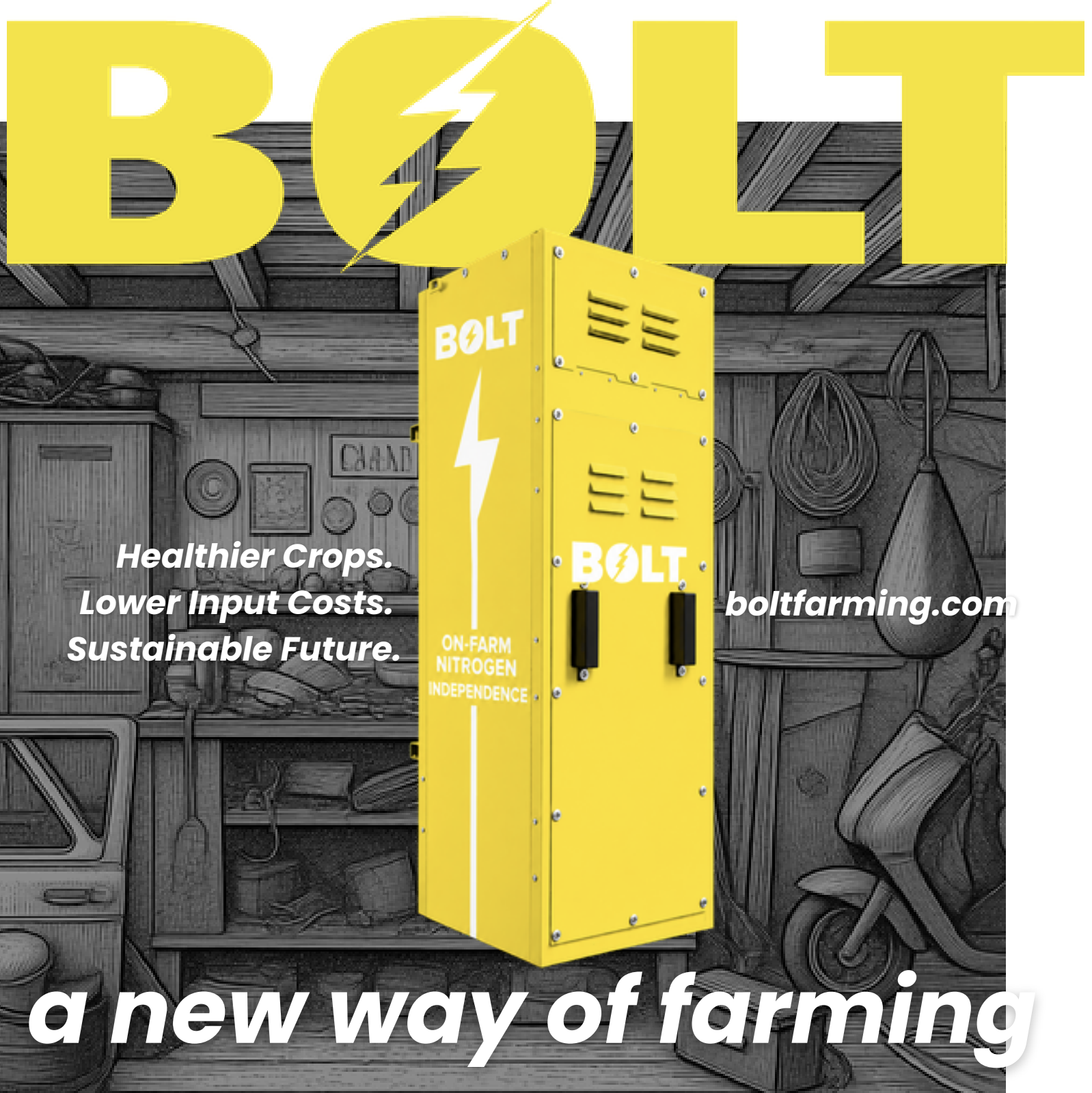
President Trump announced the $12 billion “bridge” payment package on December 8. The chair of the House Agriculture Committee, Glenn G.T. Thompson, announced on December 16 that “at least” $10 billion more in emergency aid would be needed in the coming months. Plus, the chairman stated he wants to pass a farm bill early in 2026 that is likely to further increase payments via commodity programs and crop insurance.
Unintended Consequences
The law of unintended consequences is patient and persistent. Its adverse impacts on farmers and ranchers, and rural America, are compounding like interest payments during an inflationary spiral. Something has to give in the next few years because the subsidy train will not be able to keep the cash flowing into rural America fast enough to keep tens of thousands of high-cost producers in business and on the farm.
For corn, soybean and cotton farmers since the mid-1990s, what was once per-acre profit that stayed on the farm and in rural communities is now flowing to input suppliers to cover the costs of “modern” agriculture. For many row-crop farmers, losses of $100 per acre or more in 2025 and 2026 will disappear like dust in the wind and land elsewhere, mostly outside of rural America.
There are glimmers of hope, though. Conventional farmers, big and small, are beginning to understand the vice closing around them. They feel trapped and vulnerable, because they are.
Farmers are beginning to talk about how farm policy decisions and USDA programs over the last half-century, along with corporate consolidation, have incrementally shifted profits away from the farm. Creating today’s cost-price squeeze was never a stated policy goal. It happened because of the law of unintended consequences, coupled with “let’s not look under that rock” and, whenever necessary, “kick the can down the road.”
A Path Forward through Policy Reform
The just-announced $700 million NRCS regenerative agriculture program talks the talk, but it remains to be seen whether it marks the beginning of a long-overdue transition in how the USDA, and taxpayer dollars, support farmers and ranchers.
For this new NRCS program to deliver the goods, it will need to be combined with a second set of negotiated and binding contracts that change what tax dollars support what on the farm. Change of the scope needed will require a combination of systemic reforms in how commodity program and crop insurance policies impact farm budgets and profit outcomes. The goal shaping reforms must be to reinforce and expand the ROI to farmers arising from the NRCS’s $700 million investment in regenerative agriculture system innovation.
Imagine farmers working with NRCS and the Farm Service Agency to craft regenerative agriculture contracts simultaneously with the commodity program “Base Acre Renewal and Profitability Contracts” outlined in Version 2 of the FEVER Act. By combining the new NRCS program with reforms in existing programs that account for most of the taxpayer support for farmers, the USDA could shift from being a big part of the problem to an important driver of constructive, incremental change. Tax dollars delivered through USDA programs would begin to support, not penalize, diversification and would help reduce cash production costs instead of encouraging farmers to buy extra units of nitrogen, plant more high-priced seed per acre, and spray any and all pests that threaten the harvest.
There is low-hanging fruit to harvest if needed policy reforms are adopted. More biology and a focus on health — of the soil, animals, ecosystems and humans — must become the No. 1 goal shaping not just the next farm bill, but all farm bills.