
From grazing management to agritourism, regenerative farms thrive when ecology, efficiency and economics are intentionally aligned
There is no sustainability without profitability. Farmers cannot continue to produce food unless they are consistently — sustainably — making a living. And even though modern agricultural systems have pushed farmers away from environmentally friendly production methods, there is ultimately no long-term way to farm without embracing ecology.
Building a thriving food system is only possible if we value farmers’ ability to support themselves. It will take a huge shift in priorities to improve our food system, but I believe that this grassroots change will be made possible through the replicated regenerative practices of caring farmers and the consumers who support them.
Natural Fertility
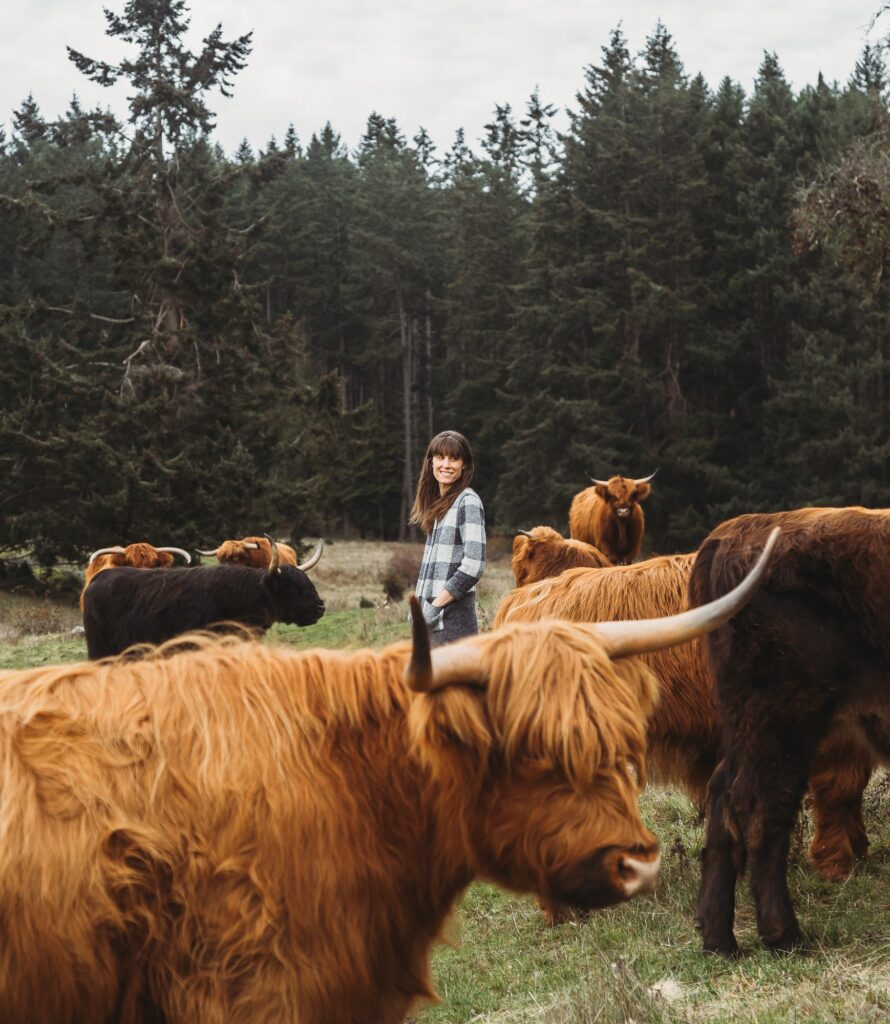
Here at Ruckle Heritage Farm, we embrace the natural carbon cycle to our advantage and strive for grazing management that provides a suitable amount of impact followed by an ample period of rest. The fertility offered by livestock supports the healthy, functioning soil needed to boost forage growth and to increase stocking rate or cut down on external feed costs. By cross-fencing a hundred-acre area into five sections, we were able to greatly reduce the amount of hay we’ve had to feed our cattle in the winter. Further dividing pastures with electric fencing and mob grazing can also support plant growth and diversity.
Bale grazing is an excellent feeding method that has contributed to our hay yield rising significantly, by allowing the cattle to naturally fertilize and seed different areas. One hay field went from producing ninety bales in 2002 to over 600 bales in more recent years. Beyond the dollars and cents of the animal feed produced or the extra hay sold, healthy soil with adequate ground cover improves water infiltration, which builds resilience in drought conditions and protects against flooding. It’s like saving for a rainy day.
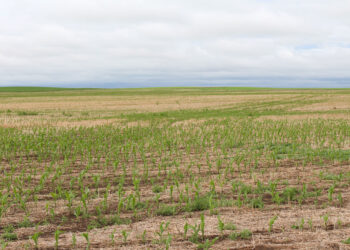
Our regenerative practices also support biodiversity, encouraging beneficial insects and birds, which help manage pests at no additional cost. We also introduced heritage turkeys to provide natural pest control. Turkeys eat hard-shelled insects like the click-beetle, thus keeping wireworms (the larvae of the click-beetle) in check. Wireworms are a highly invasive pest that attack garden produce and the roots of grasses. In the past, the farm was unable to produce corn, but with the help of the turkeys, the farm has gone on to grow award-winning corn, without the use of pesticides. Additionally, we process and sell some of the turkeys each year, and our cattle eat every bit of the corn plant that we don’t, turning those plants into fertilizer and beef.
This nothing-goes-to-waste mentality has also helped increase profitability in our egg enterprise through the decision to cull older hens, repurposing them into food. We get new laying hen chicks in early May so that these new birds are coming into peak production in the fall, right around when the older birds are laying less due to the drop in daylight hours. Soon after the younger birds begin laying, we cull the older birds. These birds are sold as stewing chickens (to be cooked low and slow) or I pressure can dressed birds, thereby having shelf-stable meat ready to incorporate into quick meals. For long-term farm viability, every creature must be contributing to the farm in a meaningful way, which necessitates culling unproductive livestock. You can’t run an old-age home for hens and expect to have a sustainable egg program.
Other Economic Drivers
Utilizing as much of the animal as possible can increase revenue streams — selling hides, making tallow skincare products, or selling the less popular organs as pet food — helps the bottom line. Selling individual cuts of meat will generate the most money per animal but also involves the most handling time. Not only do you need to price out each piece, but it’s a lot of work to coordinate sales with numerous customers. Selling most of our animals as whole or half carcass has streamlined our retail sales time, thus opening us up to do other things.
Opportunity costs are an important consideration in managing time. Doing one thing inherently takes you away from doing something else. I am passionate about the benefits of mixed farming, but a degree of focus is necessary to run a successful business and maintain sanity. Self-sufficiency is an admirable goal, but we build more strength in our communities by supporting other local producers, who can then support us in return, rather than trying to produce everything ourselves.
Stacking enterprises for diversified income streams offers resilience, since you aren’t putting all your eggs in one basket, so to speak. For example, we had a terrible apple harvest in the fall of 2024, whereas this year was an excellent year. We were able to comfortably absorb the bad year because we aren’t solely an apple orchard. We have other income sources, such as beef and lamb from the animals grazing beneath those same trees.
Considering Agritourism
Supporting a natural ecosystem is going to attract not only pollinators, birds, and a variety of wild animals, but people too. Agritourism is worth considering to capitalize on the current positive wave of public interest in regenerative practices and well-cared-for animals. I’m determined to make farming itself more profitable, but the bulk of our net income currently comes from on-farm accommodations. Keep in mind, though, that being in the hospitality industry necessitates dealing with the public, cleaning houses and grounds upkeep — so if you’re especially uninterested in dealing with people, you may want to just stick with moving cattle.
Farm tours are an excellent way to make money while providing a meaningful, educational experience for the public. Scheduling software and marketing may be worth considering, but farm tours require little to no cost to set up. We have found the best marketing for our one-hour walking tours to be word-of-mouth, social media, and offering a free tour for the volunteers at our local tourism office, who now happily rave about their experience with inquisitive visitors.
| Helpful Booking Software Acuity is a user-friendly online booking system that has helped us streamline farm tour scheduling and payments. We use the starter plan, as we are only doing one tour at a time. We offer a general farm tour as well as more specific tour options that change with the seasons (bottle-feeding lambs is always a hit!). You can utilize the “add-on” feature to allow customers to pay for additional guests, etc. We have booking buttons on our website and a QR code on our brochures that leads people directly to the scheduling link. Many people want this convenience, and it saves us the time-consuming back-and-forth involved in scheduling, arranging payment, and explaining the details. They can read this information when they schedule and get an auto-email, too. While we lose a few dollars in payment processing fees per tour, it ensures we get paid and don’t waste our time on no-shows. Set your availability, and Acuity alerts you every time there is a booking. You can set parameters for how far in advance people need to schedule (you can bypass this if you decide to fit someone in), and you can also easily block off the calendar if you are unavailable. |
People who buy farm products may be interested in seeing your operation; this can be an important part of transparency. However, showing people around takes you away from other farm tasks (remember, opportunity costs!) and therefore it is important for farmers to value their time and charge visitors accordingly. Always have people “exit through the gift shop” and end the tour at your farmstand, or hand them a business card that links to your retail website. This will help you build a strong base of consumers who appreciate your efforts.
A continued swell of informed consumer demand is essential for revitalizing our food system and ensuring farmers can continue to regeneratively produce food for their communities. Cheap food comes with hidden costs to our healthcare system, our collective productivity, animals, and the planet. For true sustainability, we need more people to understand the value of regenerative food production in supporting a better future.