
Sensors, software, and mechanical tools offer ways to conserve inputs, manage weeds, and make better decisions — without harming your soil or bottom line
Implementing technology appropriately is a persistent challenge for ecological farmers. Here are five tools/machines/technologies that, wisely chosen and applied, could help growers become more profitable while having less negative impact on their soil.
Vivid Machines XV
Vivid Machines mounts a camera system on orchard equipment to count fruit, assess size, and map crop load at the individual-tree level. That information could help organic growers direct hand thinning, pruning, and harvest labor more precisely, while guiding permitted inputs where they are needed.
Automated crop counts could free growers for other work, but relying on the system also makes management more dependent on functioning cameras, software, and technical support. Vivid claims net returns of $500 to $1,500 or more per acre per season, though growers should weigh the system’s full cost against the savings achievable on their own acreage. Regular field observations remain vital for checking its recommendations.
FarmFlow
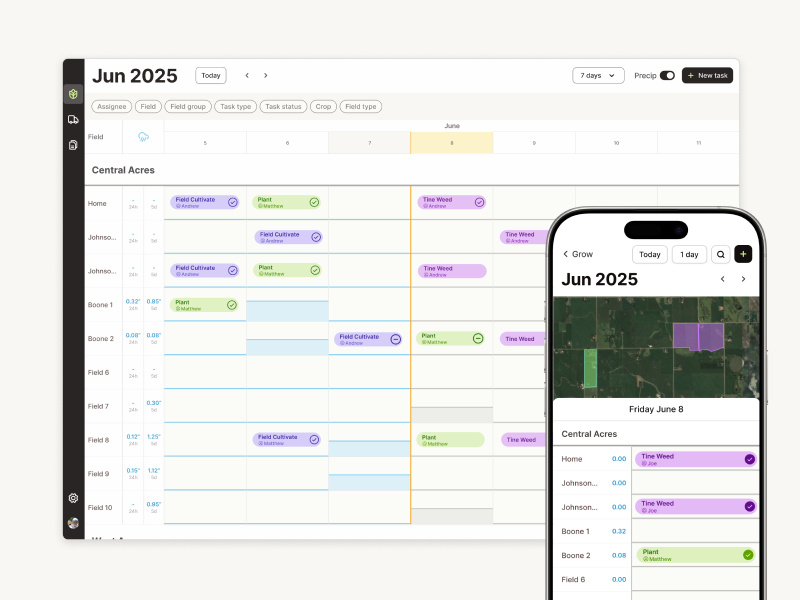
FarmFlow brings field tasks, crew assignments, input records, inventory, and other farm information into one software system. Developed around the demands of organic farming, it also offers certification reports and tools for documenting farm procedures. Timelier cultivation and more complete records could make the software useful on diversified operations where missed jobs have consequences.
As with any recordkeeping platform, its value depends on consistent entries and reports that meet the farm’s actual needs.
Organic Weedpuller
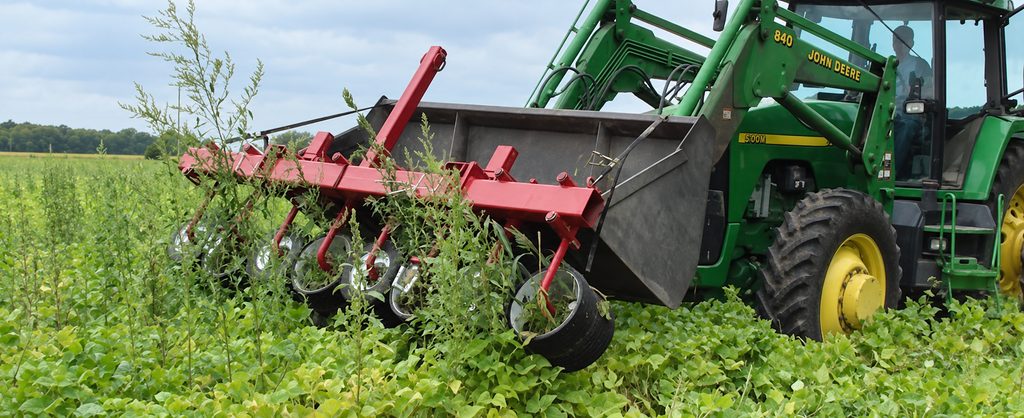
The Organic Weedpuller is a tractor-mounted implement with paired rubber tires that grip tall weeds and pull them upward, roots and all. It offers growers a way to deal with weeds extending above the crop without a herbicide application or a large hand-weeding crew.
Its reach is also its limitation: weeds must be tall enough to catch, so it complements early weed control rather than replacing it. Timely use before viable seed develops could help reduce future weed pressure, with less widespread soil disturbance than another full cultivation pass.
AGR Spectre
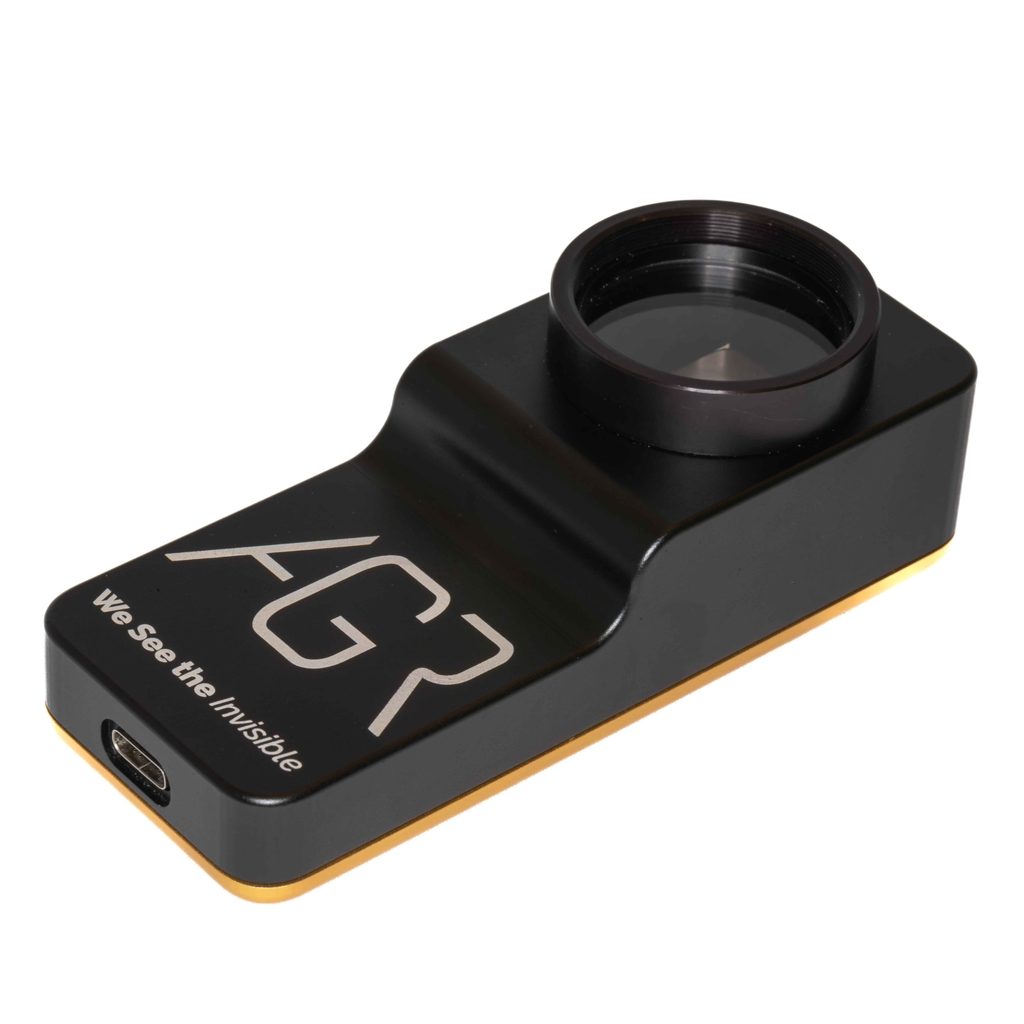
AGR combines satellite scouting, crop diagnostics, and variable-rate application maps; its Spectre handheld scanner is designed to detect chemical signs of crop stress before symptoms become visible. Earlier diagnosis could help growers target fertility or crop-protection treatments and avoid unnecessary blanket applications.
The company’s strongest accuracy and early-detection claims come from controlled trials, so growers should ask how well the system performs in their crops and field conditions.
Guidance Ridge and Furrow Systems
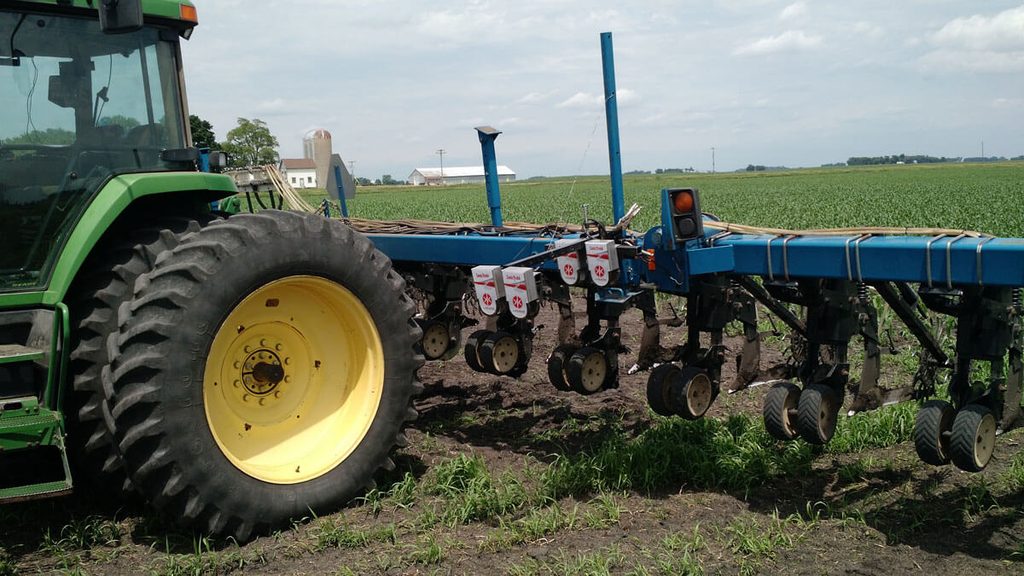
Ridges, wheel tracks, and even plants themselves can provide a physical reference for guiding cultivation equipment, free from the requirement of GPS. Current commercial examples include ProTrakker’s SonicTrakk, which uses ultrasonic sensors and a compatible hydraulic hitch to follow ridges or tire tracks, and Reichhardt’s PSR SONIC, offered for bed and ridge cropping systems. These sensor-based systems can help growers keep mechanical weed-control tools aligned without relying solely on satellite guidance.
Their potential benefit is closer cultivation with less crop damage; the tradeoffs include equipment cost, setup, and the need for a clearly detectable reference. Systems that rely on guidance ridges also require disturbing the soil to some degree, so the approach needs to fit the farm’s tillage and erosion-management plan.