
Highlights of the National Organic Standard Board Fall 2026 Meeting
On October 27–29, 2026, the National Organic Standards Board met virtually to discuss and vote on potential changes to the USDA’s national organic standards. The NOSB is a board of 15 volunteers from every sector of the organic industry—farmers, processors, researchers, certifiers, environmental protection groups, and consumer advocates.
The first day’s meeting started out with updates from Jenny Tucker, representing the USDA’s National Organic Program. One of the NOP’s key focus areas this year has been import oversight—strengthening organic enforcement and working with the US Customs and Border Protection and certifying agencies to crack down on fraudulent shipments of “organic” products into the United States.
Tuesday afternoon featured an update on the Transition to Organic Partnership Program (TOPP). Each of the six TOPP regions included both states that are leaders in organic products and states with a smaller organic production base. Lelani Durand, from the Northeast/Mid Atlantic region, said that this cross-state and cross-regional networking is one of the biggest TOPP successes.
Wednesday and Thursday’s meetings were mainly reports from NOSB subcommittees and votes on the National List. Each allowed synthetic substance on this list comes up for a “sunset review” every five years and is typically unanimously reapproved if there are no negative public comments.
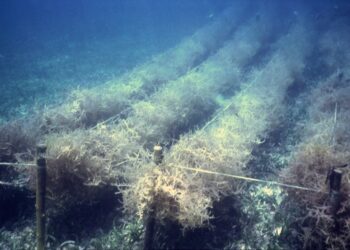
The sunset review substance that generated the most comments and debate at this meeting was carrageenan. Public comments cited the substance’s connection to intestinal inflammation, as well as the fact that it can be used as a processing aid without being listed on the ingredient label. After a lively discussion, the NOSB voted to recommend that carrageenan be removed from the national list. Hopefully the NOP will follow that recommendation.
In the livestock section, the biggest discussion was about allowing the use of Ivermectin as a treatment for New World Screwworm. Despite concerns about this anti-parasitical’s detrimental effect on soil organisms, the board reluctantly voted to recommend authorizing it for use in organic dairy cattle exclusively for treating screwworm infestations. The milk from treated cattle cannot be certified organic for 90 days after treatment.
Another important discussion topic was organic seeds. The organic rule currently allows the use of nonorganic seeds “when an equivalent organically produced variety is not commercially available.” The board discussed whether it might be necessary to stimulate the growth of the organic seed industry by setting dates after which certain crops will be required to be grown from organic seeds or adding requirements for growers to do a more in-depth search for organic seed.
A few takeaways for eco-farmers: First, it’s encouraging that the NOP is taking steps to crack down on organic fraud. Secondly, the board’s decision to remove carrageenan from the National List shows that both the NOSB and NOP listen to public comments and take them seriously. And finally, the discussion about organic seeds shows a huge market opportunity for ramping up organic seed production.