
Acres U.S.A.® Magazine
  • Articles
    • News
    • Ecological farming
      • Climate
      • Environmental Issues
      • Farm management & planning
      • Human health
    • Livestock
    • Farm
    • Crop
      • Crop management practices
        • Ag technology
        • Cover crops
        • Crop nutrition
          • Crop protection
          • Diseases
        • Crops
        • Fruits
    • Soil
    • Opinion
  • Resources
    • Magazine
    • Online Learning
    • Newsletters
    • Free Articles
    • Blog
  • Magazine Issues
    • 2025
      • October 2025
      • September 2025
      • August 2025
      • July 2025
      • June 2025
      • May 2025
      • April 2025
      • March 2025
      • February 2025
      • January 2025
    • 2024
      • December 2024
      • November 2024
      • October 2024
      • September 2024
      • August 2024
      • July 2024
      • June 2024
      • May 2024
      • April 2024
      • March 2024
      • February 2024
      • January 2024
    • 2023
      • December 2023
      • November 2023
      • October 2023
      • August 2023
      • July 2023
      • June 2023
      • May 2023
      • April 2023
      • March 2023
      • February 2023
      • January 2023
    • 2022
      • December 2022
      • November 2022
      • October 2022
      • September 2022
      • August 2022
      • July 2022
      • June 2022
      • May 2022
      • April 2022
      • March 2022
      • February 2022
  • About Us
    • Our History
    • Our Staff
    • Contact Us
    • Community
      • Soil Health Primer Resources
  • Events
    • Eco-Ag Conference
    • Farm Weird Event
    • Viroqua On Farm Event
  • Subscribe
  • Login
  • Register
No Result
View All Result
  • Articles
    • News
    • Ecological farming
      • Climate
      • Environmental Issues
      • Farm management & planning
      • Human health
    • Livestock
    • Farm
    • Crop
      • Crop management practices
        • Ag technology
        • Cover crops
        • Crop nutrition
          • Crop protection
          • Diseases
        • Crops
        • Fruits
    • Soil
    • Opinion
  • Resources
    • Magazine
    • Online Learning
    • Newsletters
    • Free Articles
    • Blog
  • Magazine Issues
    • 2025
      • October 2025
      • September 2025
      • August 2025
      • July 2025
      • June 2025
      • May 2025
      • April 2025
      • March 2025
      • February 2025
      • January 2025
    • 2024
      • December 2024
      • November 2024
      • October 2024
      • September 2024
      • August 2024
      • July 2024
      • June 2024
      • May 2024
      • April 2024
      • March 2024
      • February 2024
      • January 2024
    • 2023
      • December 2023
      • November 2023
      • October 2023
      • August 2023
      • July 2023
      • June 2023
      • May 2023
      • April 2023
      • March 2023
      • February 2023
      • January 2023
    • 2022
      • December 2022
      • November 2022
      • October 2022
      • September 2022
      • August 2022
      • July 2022
      • June 2022
      • May 2022
      • April 2022
      • March 2022
      • February 2022
  • About Us
    • Our History
    • Our Staff
    • Contact Us
    • Community
      • Soil Health Primer Resources
  • Events
    • Eco-Ag Conference
    • Farm Weird Event
    • Viroqua On Farm Event
  • Subscribe
No Result
View All Result
Acres U.S.A.® Magazine
No Result
View All Result
Home Magazine features Eco-update

Eco-update

Acres U.S.A. by Acres U.S.A.
February 1, 2025
in Eco-update, February 2025
0
Eco-update

Nofence

0
SHARES
222
VIEWS
Share on FacebookShare on Twitter

Virtual Fences Aid Pollinators in Ranchlands

Fences are an effective stationary method of corralling livestock, but their sharp borders can create sudden changes in native grassland vegetation and the pollinators and birds that live there. Virtual, GPS-based fences may be the nature-friendly future of fencing, creating more natural grassland habitat. 

In a new study, researchers at Oklahoma State University investigate how virtual fencing technologies could ease ecological impacts on grassland vegetation. In cattle virtual fence systems, as cows wander toward virtual fence, they receive an auditory warning from their collar. If they ignore this and move closer to the fence, they receive an electrical stimulus similar to one from an electric fence.

Previous work on virtual cattle fences focused on their efficacy for containing livestock, such as excluding the animals from sensitive ecosystem areas that are being restored, and has showed that continuous grassland habitat is more beneficial for supporting bird and pollinator diversity and abundance than fragmented habitat. The researchers hypothesized that the warning from the collar as cattle approached the virtual fence would prompt the animals to graze more randomly, rather than forage right up to a physical fence — making the ecological boundary between grazed plains and natural grassland more gradual.

To test that, the researchers set up six 1,000-square-meter study sites at the Oklahoma State University Bluestem Research Range. Within the grassland pasture, the team created linear boundaries, with three plots with physical fences and three having virtual fence lines. The cattle grazed in the study sites during the spring and summer seasons.

Using drone imagery, the researchers surveyed the six sites and created height models of the vegetation. They then compared the vegetation heights in the traditional fence and virtual fence with ungrazed rangeland. They found the virtual fence created a gradual transition more than 50 feet from the fence, changing from native grassland to fully grazed grass. Additionally, in the virtual fence areas, the researchers found a greater variation of vegetation heights compared to the fenced rangeland. This transitional zone could help increase native habitat for pollinators and birds.

In Short Section

In Short…

More than 25 percent of the water taken out of the Colorado River for human consumption goes toward irrigating alfalfa fields. Colorado State University scientists are running tests on alternative livestock crops, including Kernza, sainfoin, and silflower, in an effort to find a less water-guzzling alternative.

“Bathing” seeds in high-temperature steam can eliminate pests and pathogens. Swedish company Thermoseed is using this process — with a specific combination of temperature, humidity, and time for each type of seed — to decrease the use of synthetic chemical treatments on seeds.
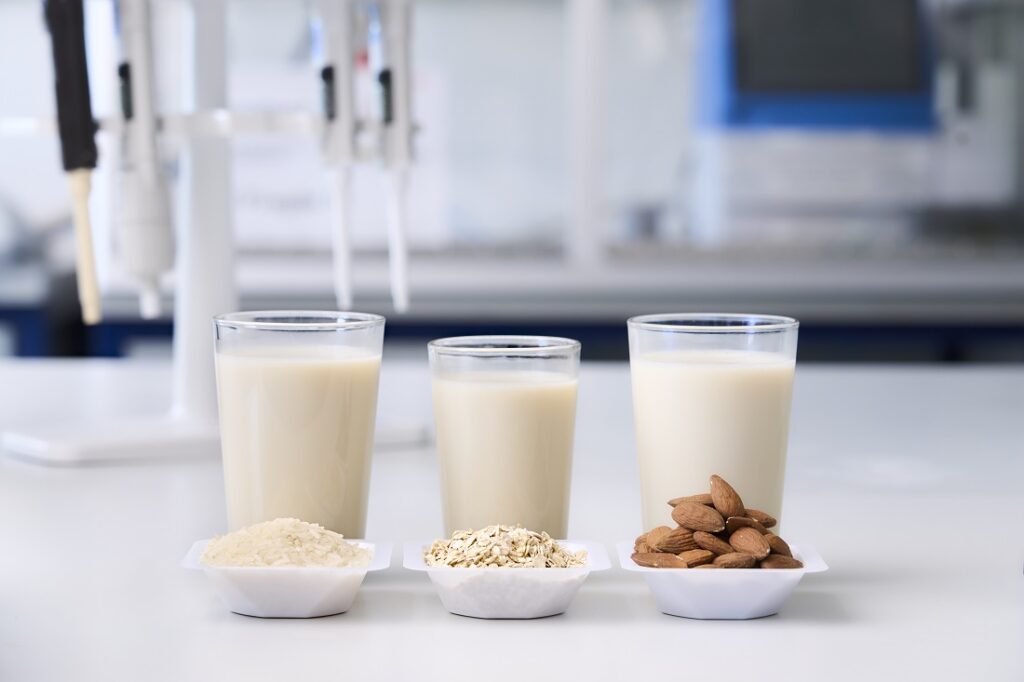
Fake milk (Jakob Helbig) — Plant-based drinks in the lab

Nature Wins: Across Southeastern U.S., Weedy Rice Has Become Herbicide Resistant 

Weedy rice is a close relative of cultivated rice that infests rice fields worldwide and drastically reduces yields. To combat this agricultural pest, rice growers in the southeastern United States have since the early-2000s planted rice cultivars genetically modified to allow them to apply herbicides that target weedy rice.

But only a handful of years after the introduction of this “herbicide-resistant” rice, Arkansas farmers started reporting that weeds in their fields were becoming herbicide-resistant too. Laboratory analysis verified these accounts: Scientists saw evidence that the weeds were breeding with the crop rice and that subsequent generations of hybrid weeds had some level of genetic resistance to herbicide.

Now a new study from Washington University in St. Louis shows that more than half of the weedy rice sampled in the rice-growing region of the southeastern U.S. has become herbicide resistant. Of 201 samples of weedy rice collected from fields in nine counties or parishes of Missouri, Arkansas and Louisiana in 2022, 57 percent were resistant to the imidazolinone (IMI) family of herbicides. In addition, 3.5 percent of samples were resistant to another newer class of herbicides that has only been used in southeastern U.S. rice fields since 2018.
Nature Wins: Chemical Reactions Deplete Nutrients in Milk Alternatives

A University of Copenhagen study of “plant-based drinks” — alternatives to actual mulk, like oat, rice, soy and almond “milk” — reveals a common issue: they are lacking in proteins and essential amino acids compared to cow’s milk. The explanation lies in their extensive processing, causing chemical reactions that degrade protein quality in the product and, in some cases, produce new substances of concern.

While milk is essentially a finished product when it comes out of a cow, oats, rice, and almonds require extensive processing during their conversion to a drinkable beverage. Moreover, each of the plant-based drinks tested underwent Ultra High Temperature (UHT) treatment, a process that is widely used for long-life milks around the world. 

UHT treatment triggers a “Maillard reaction,” a chemical reaction between protein and sugar that occurs when food is fried or roasted at high temperatures. Among other things, this reaction impacts the nutritional quality of the proteins.
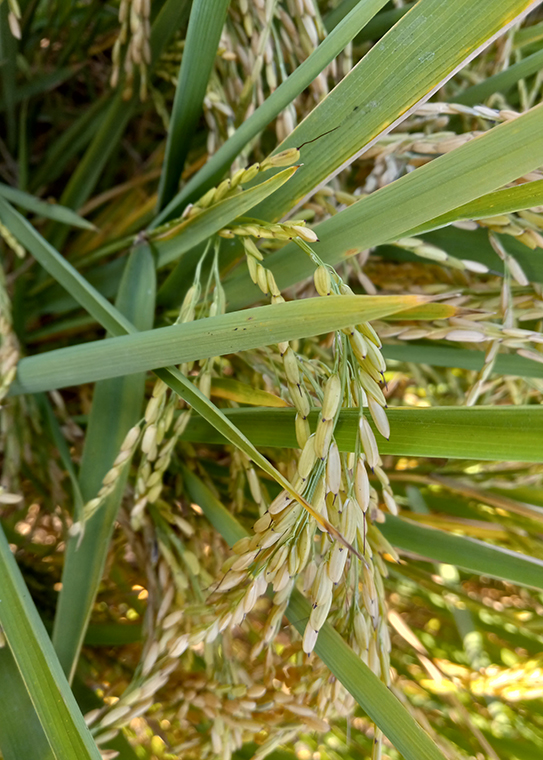
Weedy rice (Marshall Wedger) — Weedy rice is an agricultural pest that is closely related to crop rice. Here, weedy rice grows in Arkansas.

Besides reducing nutritional value, heat treatment also generates new compounds in plant-based drinks. One such compound measured by the researchers in four of the plant-based drinks made from almonds and oats is acrylamide, a carcinogen that is also found in bread, cookies, coffee beans and fried potatoes, including French fries.

Nature Wins: Plant-Based Meat Alternatives Linked to Depression Risk in Vegetarians

There is mounting evidence suggesting that ultra processed foods (UPF) are bad for our health; but if you stick to a vegetarian diet, is that still the case? Plant-Based Meat Alternatives (PBMA) are considered to be ultra-processed foods and may be associated with similar harms.

Researchers from the University of Surrey found that vegetarians who consumed PBMAs had a 42 percent increased risk of depression compared to vegetarians who refrained from PBMAs. The research was published in Food Frontiers.

The study analyzed data from the UK Biobank and found no notable differences in intake of sodium, free sugar, total sugar, or saturated fatty acids between those vegetarians who ate PBMAs and those who did not. The researchers did find, however, that those who eat PBMAs had higher blood pressure and C-reactive protein (CRP) levels, a marker of inflammation, and lower levels of apolipoprotein A, a protein associated with HDL, a “good” cholesterol. PBMA consumption was, however, also linked to a reduced risk of irritable bowel syndrome (IBS) by 40 percent.

Styled Quote

“I’d eat CAFO beef any day before eating fake meat.”

— Joel Salatin at the 2024 Acres U.S.A. Eco-Ag Conference

← Previous The OODA Loop Next Conventional Fear Meets Regenerative Wisdom →
Tags: fake meatfake milkherbicide resistanceVirtual fencing
Acres U.S.A.

Acres U.S.A.

North America’s oldest publisher on production-scale organic and regenerative farming. For more than 50 years, our mission has been to help farmers, ranchers and market gardeners grow food profitably, regeneratively, and with nature in mind.

Next Post
March 2025 • Issue #645

March 2025 • Issue #645

  • Trending
  • Comments
  • Latest
The Most Important Livestock in Our Fields

The Most Important Livestock in Our Fields

July 1, 2024
Glyphosate Does What It’s Designed to Do — Kill

Glyphosate Does What It’s Designed to Do — Kill

February 19, 2025
The Take-Half, Leave-Half Fallacy

The Take-Half, Leave-Half Fallacy

July 1, 2025
White snakeroot

Toxic Forages?

September 1, 2025
We Don’t Need Another Bridge — We Need an Off-Ramp

We Don’t Need Another Bridge — We Need an Off-Ramp

3
Under One Roof

Under One Roof

3
A Rose By Any Other Name

A Rose By Any Other Name

2
Terra Preta’s Biological Advantage

Terra Preta’s Biological Advantage

2
Don’t You Dare Disparage Sugar!

Don’t You Dare Disparage Sugar!

February 3, 2026
February 2026 • Issue #656

February 2026 • Issue #656

February 1, 2026
Fungal Exchange Capacity

Fungal Exchange Capacity

February 1, 2026
ECO-MEETINGS

ECO-MEETINGS

February 1, 2026

Recent News

Don’t You Dare Disparage Sugar!

Don’t You Dare Disparage Sugar!

February 3, 2026
February 2026 • Issue #656

February 2026 • Issue #656

February 1, 2026
Fungal Exchange Capacity

Fungal Exchange Capacity

February 1, 2026
ECO-MEETINGS

ECO-MEETINGS

February 1, 2026

About ACRES USA

Acres U.S.A.® Magazine

Acres U.S.A.® is North America’s oldest publisher on production-scale organic and regenerative farming. For more than 50 years, our mission has been to help farmers, ranchers and market gardeners grow food profitably and sustainably, with nature in mind.

Visit Our Advertisers

Magazine Issues

  • News
  • 2025
    • June 2025
    • May 2025
    • April 2025
    • March 2025
    • February 2025
    • January 2025
  • 2024 Articles
    • December 2024
    • November 2024
    • October 2024
    • September 2024
    • August 2024
    • July 2024
    • June 2024
    • May 2024
    • April 2024
    • March 2024
    • February 2024
    • January 2024
  • December 2023
    • December 2023
    • November 2023
    • October 2023
    • August 2023
    • July 2023
    • June 2023
    • May 2023
    • April 2023
    • March 2023
    • February 2023
    • January 2023
  • December 2022
    • November 2022
    • October 2022
    • September 2022
    • August 2022
    • July 2022
    • June 2022
    • May 2022
    • April 2022
    • March 2022

Contact Acres U.S.A

  • Contact Us
  • About Us
  • Advertise With Acres U.S.A.
  • My Subscription

Learn

  • Resources
  • Events
  • Magazine
  • Newsletters
  • Free Articles
  • Webinars
  • Online Courses
  • Bookstore

Our All Socials

Follow With Us...

  • My account
  • News
  • Ecological farming
  • Refund and Returns Policy
  • Privacy & Policy

© 2024 Acers USA Magazine

Welcome Back!

Login to your account below

Forgotten Password? Sign Up

Create New Account!

Fill the forms below to register

All fields are required. Log In

Retrieve your password

Please enter your username or email address to reset your password.

Log In
No Result
View All Result
  • HOME
  • ARTICLES
    • News
    • Farm
    • Ecological farming
    • Livestock
    • Crop
      • Crop management practices
      • Cover crops
      • Crop nutrition
      • Crop protection
      • Crops
      • Ag technology
    • Soil
    • Opinion
  • RESOURCES
    • Magazine
    • Online Learning
    • Newsletters
    • Blog
    • Free Articles
  • MAGAZINE ISSUES
    • 2025
      • June 2025
      • May 2025
      • April 2025
      • March 2025
      • February 2025
      • January 2025
    • 2024
      • December 2024
      • November 2024
      • October 2024
      • September 2024
      • August 2024
      • July 2024
      • June 2024
      • May 2024
      • April 2024
      • March 2024
      • February 2024
      • January 2024
    • 2023
      • December 2023
      • November 2023
      • October 2023
      • August 2023
      • July 2023
      • June 2023
      • May 2023
      • April 2023
      • March 2023
      • February 2023
      • January 2023
  • ABOUT US
    • Our History
    • Our Staff
    • Contact Us
    • Community
      • Soil Health Primer Resources
  • EVENTS
    • Eco-Ag Conference
    • On-Farm Viroqua Event
    • Farm Weird
  • SUBSCRIBE
  • Login
  • Sign Up
  • Cart

© 2024 Acers USA Magazine

Are you sure want to unlock this post?
Unlock left : 0
Are you sure want to cancel subscription?