• Home
  • Events

    Upcoming Events

    • Menoken Farm Field Day
    • Eco-Ag Conference
    • View all events →

    Recent Webinars

    • Kyle Richardville
    • David Montgomery
    • Gary Zimmer
    • Taylor Henry
    • Fernando Falomir
    • Megan Neubauer
    • David Knaus
    • View more webinar replays →
  • Bookstore

    Books by Category

    • Soil Health
    • Livestock & Animals
    • Gardening & Homesteading
    • Farm Business
    • Health & Food

    Books by Collection

    • New Releases
    • The Albrecht Volumes
    • Acres U.S.A. Published
    • Eco-Ag Speakers
    • Soil Health Educators

    Books by Level

    • Beginner
    • Intermediate
    • Advanced
    • Kids

    Featured

    • Explore Jon Stika's New Book →
  • Resources

    Continue Learning

    • White Papers
    • Online Courses

    Where to Find Us

    • Acres U.S.A. Podcast
    • YouTube Channel
    Facebook Instagram X-twitter Linkedin
    • Join our Newsletter →
  • Articles

    Articles by Topic

    • News
    • Ecological Farming
    • Livestock
    • Soil Health
    • Opinion

    Articles on Crops

    • Cover Crops
    • Crop Nutrition
    • Disease & Pests
    • Fruits & Nuts
    • Ag Technology

    Magazine Issues

    2026
    • January
    • February
    • March
    • April
    • May
    • June
    • July
    • August
    2025
    • January
    • February
    • March
    • April
    • May
    • June
    • July
    • August
    • September
    • October
    • November
    • December
    2024
    • January
    • February
    • March
    • April
    • May
    • June
    • July
    • August
    • September
    • October
    • November
    • December
    • Explore the archives →
    • Subscribe to the magazine →
  • About

    About Us

    • About Acres U.S.A.
    • Meet Our Team
    • Our History
    • Eco-Ag Achievement Award

    Contact Us

    • 970-392-4464
    • support@acresusa.com

    Acres U.S.A. LLC
    PO Box 351
    Viroqua, WI 54665

    • A New Era of Eco-Ag →
Subscribe
HOME
Events
  • Upcoming Events
  • Menoken Farm Field Day
  • Eco-Ag Conference
View all events
  • Webinars
  • Kyle Richardville
  • David Montgomery
  • Gary Zimmer
  • Taylor Henry
  • Fernando Falomir
  • Megan Neubauer
  • David Knaus
Bookstore
  • Books by Category
  • Soil Health
  • Livestock & Animals
  • Gardening & Homesteading
  • Farm Business
  • Health & Food
  • Books by Collection
  • New Releases
  • The Albrecht Volumes
  • Acres U.S.A. Published
  • Eco-Ag Speakers
  • Soil Health Educators
  • Books by Level
  • Beginner
  • Intermediate
  • Advanced
  • Kids
Resources
  • Continue Learning
  • White Papers
  • Online Courses
  • Where to Find Us
  • Acres U.S.A. Podcast
  • YouTube Channel
Facebook Instagram X-twitter Linkedin
Join our Newsletter
Articles
  • Articles by Topic
  • News
  • Ecological Farming
  • Livestock
  • Soil Health
  • Opinion
  • Articles on Crops
  • Cover Crops
  • Crop Nutrition
  • Disease & Pests
  • Fruits & Nuts
  • Ag Technology
  • Magazine Issues
2026
  • January
  • February
  • March
  • April
  • May
  • June
  • July
  • August
2025
  • January
  • February
  • March
  • April
  • May
  • June
  • July
  • August
  • September
  • October
  • November
  • December
2024
  • January
  • February
  • March
  • April
  • May
  • June
  • July
  • August
  • September
  • October
  • November
  • December
Explore the archives
Subscribe to the magazine
About
  • About Acres U.S.A.
  • Meet Our Team
  • Our History
  • Eco-Ag Achievement Award
SUBSCRIBE

View from the Country

Acres U.S.A. by Acres U.S.A.
March 1, 2025
0
Home Crop management practices Crop protection
1
SHARES
580
VIEWS
Share on FacebookShare on Twitter

Bt isn’t harmful to humans — Bt proteins can only exert toxicity if they are eaten and subsequently bind to specific gut receptors that are absent in most non-pest species, including humans. 

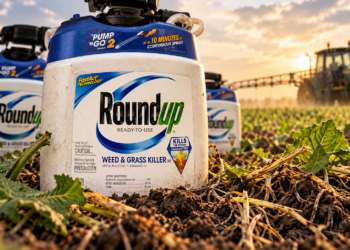
Glyphosate isn’t harmful to humans — it operates by disrupting the shikimate pathway, and human beings don’t even have a shikimate pathway.

Synthetic fertilizer isn’t harmful to humans — plants need those macronutrients and can quickly use them in synthetic forms, and we need them to grow enough food to feed the world.

What’s wrong with the logic here? Clearly, each case relies on overly simplistic reasoning: there is no direct negative effect, therefore there is no negative effect.

The truth is more complex: there may not be a direct negative effect, but there are some, or many, indirect negative effects, and these indirect negative effects can compound into a large overall negative effect.

Take Bt. Yes, Bt proteins themselves are not toxic to humans. But as researcher Joe Lewis and farmer/researcher Alton Walker discuss in this month’s interview, having Bt traits in crops like cotton disrupts the natural balance of predator and prey insects. What this has meant in cotton is that while farmers no longer need to spray pesticides to guard against bollworm, they now need to spray the same amount of pesticide to protect the crop from stink bugs. 

According to Lewis, “When you don’t have Bt, and you have feeding activity by bollworms in the field, that stimulates the plant to start producing some nasty chemicals, in addition to the odors that they produce to recruit beneficial insects. Those nasty chemicals help prevent the stink bug. It has a cross interaction. Not only does it slow down the boll worm — it prevents the stink bug from breaking in. But we are losing that attribute. Bt doesn’t reduce the amount of pesticides conventional farmers have to spray.”

So, while humans aren’t directly negatively affected by the Bt protein — a bacterial gene that is inserted into plants — we are directly affected by the pesticides that continue to be used because of Bt’s misbalancing effect on the environment. Cotton is just one example of a crop that incorporates Bt traits (and cotton is consumed by humans — cottonseed oil was used to make Crisco for years and is still a part of many ultraprocessed food products).

Now, there are obviously other factors involved in why farmers choose to use genetically modified seeds and inputs like herbicides and pesticides. While not ideal, it’s one thing to use them occasionally as a tool to protect a crop, and thus to protect the farm business. But this isn’t how these products are generally used in the real world. The real solution is to change our way of thinking — away from simplistic tools like pesticides and toward a holistic, ecologically focused mindset that seeks to keep the entire ecosystem in balance. 

And that’s the view from the country.

← Previous March 2025 • Issue #645 Next Microbial Soup for the Soil →
Tags: BollwormBtStink bug
Acres U.S.A.

Acres U.S.A.

North America’s oldest publisher on production-scale organic and regenerative farming. For more than 50 years, our mission has been to help farmers, ranchers and market gardeners grow food profitably, regeneratively, and with nature in mind.

Next Post

Soil Biodiversity and Thriving Livestock

  • Trending
  • Comments
  • Latest
The Most Important Livestock in Our Fields

The Most Important Livestock in Our Fields

July 1, 2024
Glyphosate Does What It’s Designed to Do — Kill

Glyphosate Does What It’s Designed to Do — Kill

February 19, 2025
USDA organic seal over American farm land

Losing Organic Farms

September 18, 2026
The Take-Half, Leave-Half Fallacy

The Take-Half, Leave-Half Fallacy

July 1, 2025
Author photo (Wikimedia)

A Food Emancipation Proclamation

3
We Don’t Need Another Bridge — We Need an Off-Ramp

We Don’t Need Another Bridge — We Need an Off-Ramp

3
Under One Roof

Under One Roof

3
A Rose By Any Other Name

A Rose By Any Other Name

2
Beyond Glyphosate

Beyond Glyphosate

September 30, 2026
You First

You First

September 22, 2026
Blaming the Wolves

Blaming the Wolves

September 18, 2026
Running Dry

Running Dry

September 18, 2026

Recent News

Beyond Glyphosate

Beyond Glyphosate

September 30, 2026
You First

You First

September 22, 2026
Blaming the Wolves

Blaming the Wolves

September 18, 2026
Running Dry

Running Dry

September 18, 2026

Don't miss an update!

Stay informed on what's new in the Acres U.S.A. community: new articles, upcoming events and resources for regenerative farmers.

Acres U.S.A. is North America’s oldest publisher on production-scale organic and regenerative farming. For more than 50 years, our mission has been to help farmers, ranchers and market gardeners grow food profitably, regeneratively, and with nature in mind.

Facebook Instagram X-twitter Youtube Linkedin Spotify

SHOP

  • Bookstore
  • Online Courses
  • Giftcards

ABOUT

  • About Acres U.S.A.
  • Our Team
  • Eco-Ag Acheivement

LEARN

  • Events
  • Magazine
  • Newsletter
  • Webinars
  • Free Articles
  • Online Courses

Contact Us

Acres U.S.A. LLC
PO Box 351
Viroqua, WI 54665​
info@acresusa.com
970-392-4464
  • Manage My Subscription
  • Advertise with Us
No Result
View All Result
  • HOME
  • ARTICLES
    • News
    • Farm
    • Ecological farming
    • Livestock
    • Crop
      • Crop management practices
      • Cover crops
      • Crop nutrition
      • Crop protection
      • Crops
      • Ag technology
    • Soil
    • Opinion
  • RESOURCES
    • Magazine
    • Online Learning
    • Newsletters
    • Blog
    • Free Articles
  • MAGAZINE ISSUES
    • 2026
      • June 2026
      • May 2026
      • April 2026
      • March 2026
      • February 2026
      • January 2026
    • 2025
      • December 2025
      • November 2025
      • October 2025
      • September 2025
      • August 2025
      • July 2025
      • June 2025
      • May 2025
      • April 2025
      • March 2025
      • February 2025
      • January 2025
    • 2024
      • December 2024
      • November 2024
      • October 2024
      • September 2024
      • August 2024
      • July 2024
      • June 2024
      • May 2024
      • April 2024
      • March 2024
      • February 2024
      • January 2024
    • 2023
      • December 2023
      • November 2023
      • October 2023
      • August 2023
      • July 2023
      • June 2023
      • May 2023
      • April 2023
      • March 2023
      • February 2023
      • January 2023
  • ABOUT US
    • Our History
    • Our Staff
    • Contact Us
    • Community
      • Soil Health Primer Resources
  • EVENTS
    • Eco-Ag Conference
    • Farm Weird
  • SUBSCRIBE
  • Login
  • Sign Up
  • Cart

© 2024 Acers USA Magazine

Lost Password?