Continual live plants are carbon inlets that feed the underground microbial world
Editor’s note: This is the fourth in a series of five explanations of the principles of soil health, as described by Jay Fuhrer, who was one of the first to define these principles as a whole. Each article will include a description of the principle along with a profile of a farm that is successfully implementing it.
When farmers first consider using cover crops, they usually question the required seed cost, labor, equipment, time, water, and nutrients – and even the social acceptance of partners, neighbors, and friends. Given time, though, they begin asking what benefits additional plant physiology can provide on the farm.
The chief thing to understand is that every green plant is a carbon inlet that provides the microbial world with carbon sugar exudates for the plant’s first four to eight weeks. Cover crops can check several soil health principles simultaneously. Consequently, very few best management practices can compare with covers when it comes to providing food and a home for life.
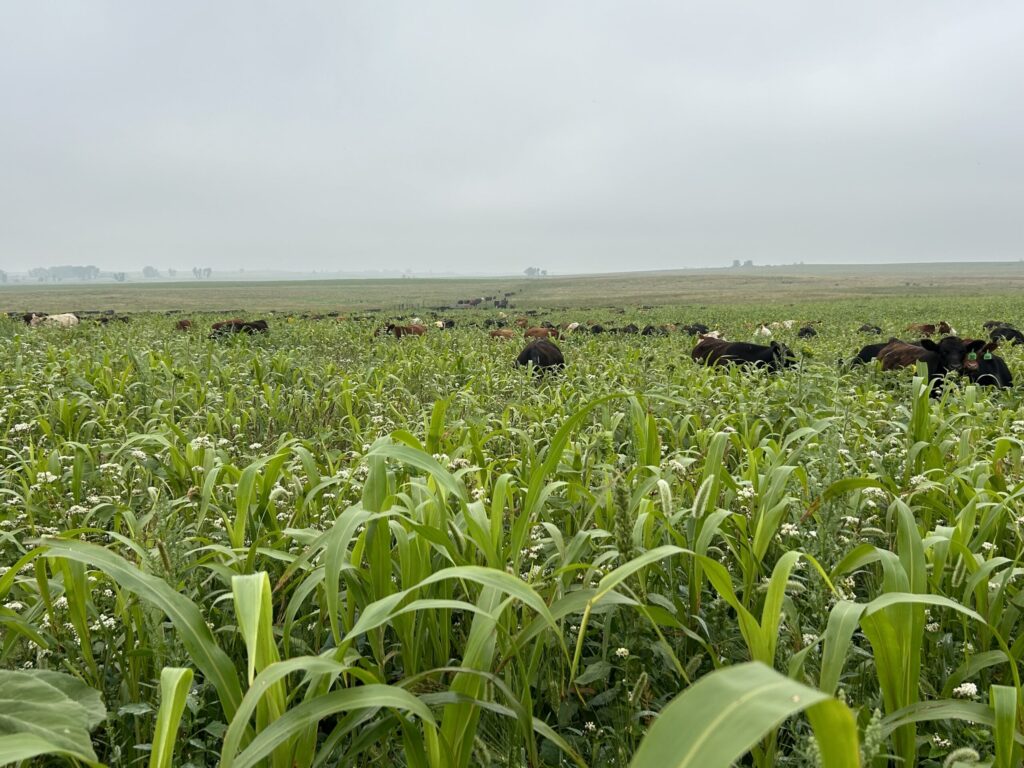
Our perennial grasslands and forests used to consist of a highly diverse plant community. Adaptable plants would grow during the cool spring and fall weather, as well as the summer heat. This allowed continual live plants to photosynthesize and provide carbon exudates to the soil food web during the entire growing season.
Today’s cropland systems typically grow annual cash crops, which have a dormant period before planting and after harvest. Cover crops can fill in the dormant period and provide the missing photosynthesis and live root exudates, which are the soil food web’s primary food source.

Cover crops may be incorporated into a cropping system as annuals, biennials or perennials. Diverse cover crops set the stage for a diverse microbial community, which in turn will support the following cash crop. Starting with a small number of acres will allow farmers, ranchers, and gardeners to find what works best on their operation.
Annuals are generally planted immediately after harvest. They consist of cool-season grasses and broadleaves and provide armor over the fall, winter and early spring. During this time period, the cover will be green in the fall and, depending on where you farm, may be brown or green during the winter and early spring.
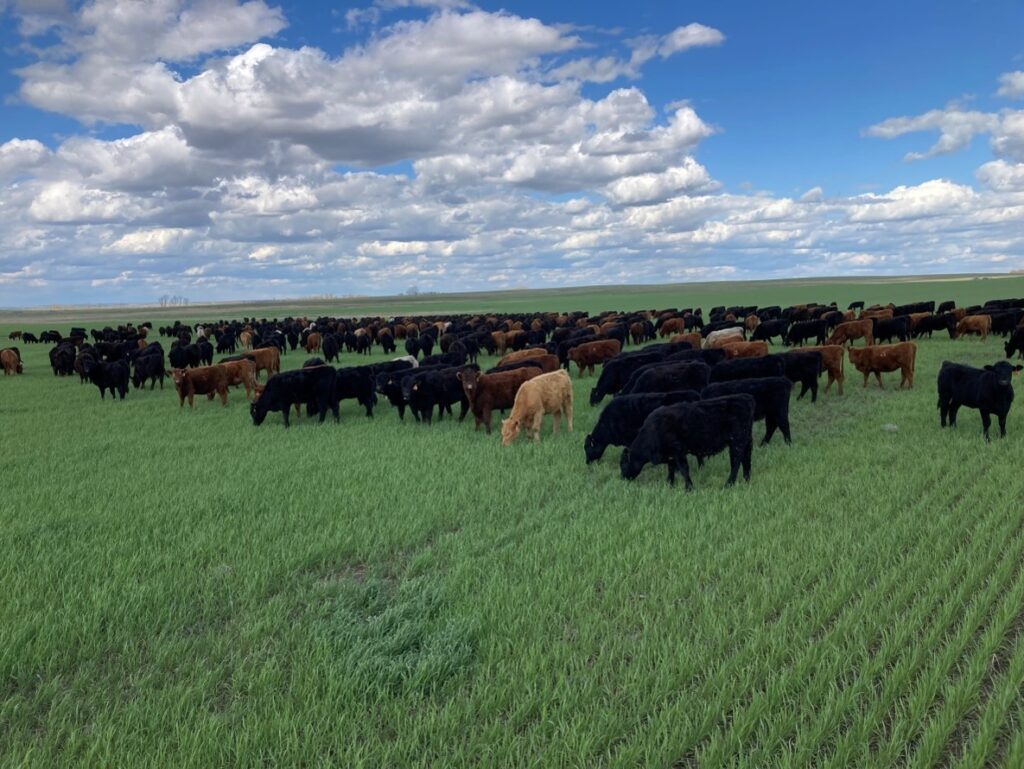
Biennials are also planted immediately after harvest. However, they will provide a green fall and a green spring, giving a longer photosynthesis period. Biennials allow more planting options, as they also provide a popular “planting green” option.
Perennials provide much larger root systems and strongly mimic our original landscapes. For operations without grasslands, they can be re-established, managed for grazing, and rotated through a cropping system for a set number of years, eventually returning to a cash crop. They have also been used on narrow strips with wide-row corn.
The resource concerns that can be addressed by a continual live plant are extensive. A few major ones include:
- Wind and water erosion — as old as agriculture itself. We can’t build soils and sequester carbon when erosion is present.
- Water quality and quantity — nutrients shouldn’t leave our fields. Covers give us a safe place to store the nutrients, then they decompose and release those nutrients for the next cash crop. Additional soil carbon holds additional water.
- Carbon dioxide and sunlight — they drive our cropping, grazing, and gardening systems.
- Pollinators and wildlife — food and a home.
- Salinity — plant respiration always buys us something; soil evaporation always costs us something.
- Building soil aggregates — continually building and rebuilding soil aggregates and pore spaces.
- Livestock — returning and maintaining a livestock presence on our landscapes.
Let’s paint our landscapes green and let the continuous living plants do the rest!
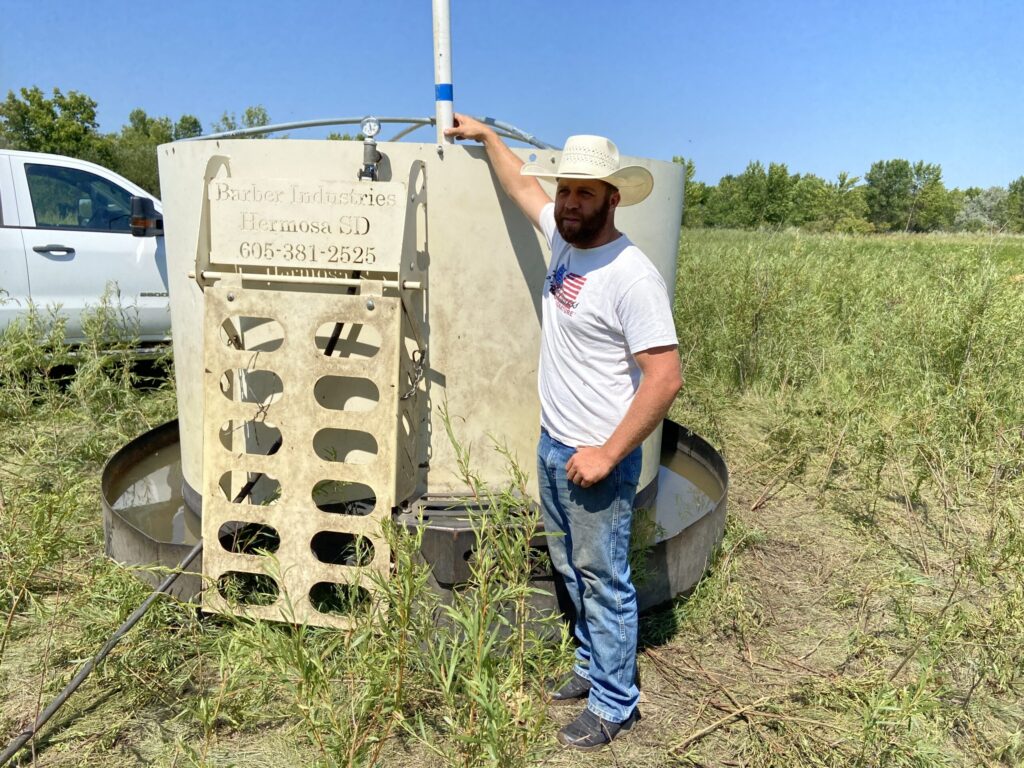
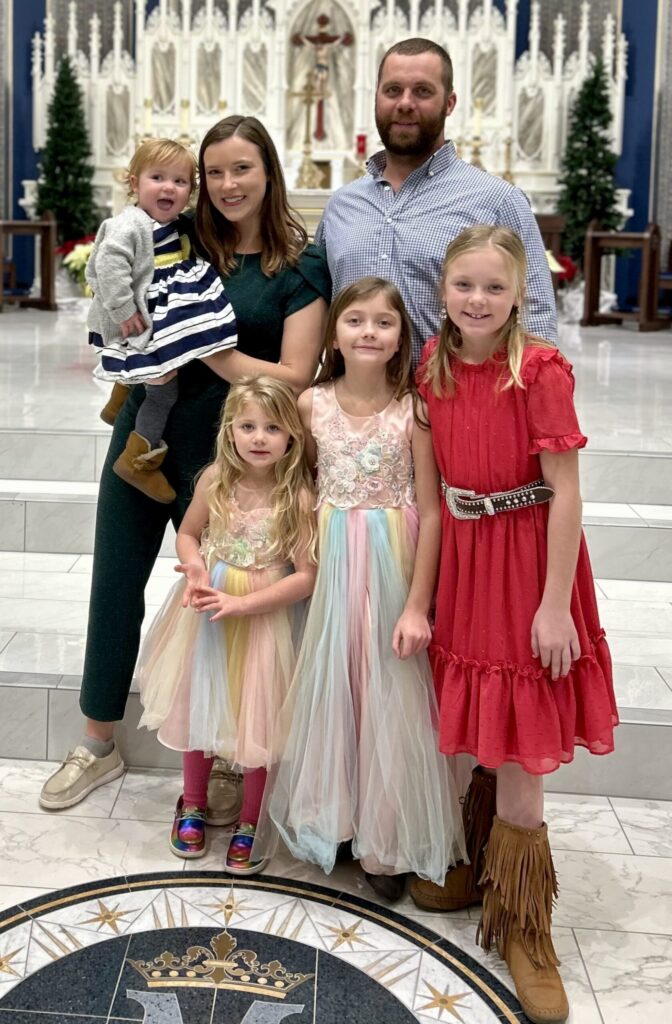
| Featured Farm: Prairie Hills Ranch Moffit, North Dakota, four daughtersCody and Medora Kologi Prairie Hills Ranch is located in southcentral Burleigh County, North Dakota, and includes both cropland and native grassland acres. It is home to Cody and Medora Kologi, along with their four daughters. The Kologis started with their first cow/calf pairs in 2015, and by 2016, they were ranching using a conventional management style consisting of set stocking, season-long grazing, high inputs, corn silage, baling hayland, and usually early-winter feeding at the headquarters. By 2017–18, it was apparent that their cash flow meant their ownership goal was out of reach. “We tried to pay for expensive cows with cheap calves,” Cody says. The next few years continued to be difficult; the soil resource was impacted with low plant vigor and noxious weeds on grasslands. Cropland acres had their cover removed for livestock feed. And the high workload demanded time away from family and continuing education. This was a difficult period, yet as Medora says, “When we asked ourselves what we loved, the answer was grazing livestock.” They had already seen some improvements from winter-feeding bales away from the headquarters, no-tilling the cropland acres, and swath-grazing forages on cropland, but they soon began to take even bigger steps. The Kologis started by attending courses and workshops to increase their knowledge base regarding grazing management, animal performance, soil health principles, economics, marketing and succession. Some of the major classes included Joel Salatin’s school, which helped them think differently and energized them; the Ranching for Profit school, which helped the business end of the operation; and Burleigh County Soil Conservation District soil health events, which helped them implement all the soil health principles. Cody even began serving as a board supervisor for the conservation district. The Kologis realized they had to focus on both grass management and animal performance — they go together. Major changes started happening in 2020. A 45-paddock grazing system and livestock pipeline with tanks were installed, with assistance from NRCS. Animal performance began to be monitored and evaluated with scale weights and calculated break-even points. Cropland acres were no-till planted to a diverse combination of warm- and cool-season plants for managed grazing, recycling the nutrients in lieu of exporting them. The Kologis began direct marketing, utilizing a percentage of the grass-based meat protein to create cash flow. In addition, the ranch moved in the direction of a yearling operation. Cody now moves 1,000 yearlings as one live being, becoming a unique tool for the continual live plant soil health principle. As Cody explains, “The 45 paddocks are permanent, but we can intensify our management by splitting with temporary fence as needed.” Sand dune areas are now vegetated, and noxious weeds have lessened as plant vigor improved by using short-duration exposure periods and long-duration recovery periods. Eric Richard, Medora’s father and ranch partner, adds that “the livestock will tell you when it is time to move; they ignore the four-wheeler when satisfied.” The grazing system also is used to manage flies, as the herd moves away from the manure. While on the cropland side, the livestock usually graze the diverse forage stands twice during the growing season, lightly topping them each time, which supplies a high plane of nutrition while allowing adequate leaf length for regrowth. The managed animal impact resets the plant community, extending the harvest of photosynthetic energy, ultimately making more carbon available to the soil via the root mass. The diverse plant mixtures vary. They have included sudan, sorghum, millet, sunflower, soybean, lentil, forage pea, barley, oats, turnip and kale. Cereal rye is also an option, allowing a two-week-earlier grazing startup, followed by a warm-season mixture. The diverse mixtures are also designed with pollinators in mind. As the Kologis have implemented all five soil health principles, the cropland and grasslands acres have responded in a regenerative manner. Going forward, the Kologis have a number of projects they’d like to complete. These include extending the livestock pipeline, corral infrastructure improvement, utilizing the grazing mixtures to further provide flexible management opportunities for custom grazing along with swath and bale grazing, and expanding livestock numbers. The relationships they have fostered when attending workshops and among their community and neighbors have been the greatest asset to inspire and support their operation. As Medora explains, “Now it’s more fun, less work, and more profitable, with a succession plan back on the table for 2025.” |