

Cyclospora Outbreak Highlights Weaknesses in US Food System
When contaminated lettuce from one farm can sicken thousands of people who live thousands of miles away, there’s something wrong with our food system. Or our food safety system. Or both.
Since May, nearly 12,000 people in the US have reported the symptoms of cyclosporiasis, including explosive diarrhea. Michigan has been most seriously affected, with the Michigan Department of Health and Human Services reporting 9,680 cases as of July 28, 2026. Other states with high numbers of cases include Ohio, New York, North Carolina, and Indiana. Three hundred and eight people have been hospitalized, but fortunately no one has died.
Cyclosporiasis is transmitted by consuming food or water contaminated with feces. The disease is caused by a coccidian protozoan called Cyclospora cayetanensis, which can’t be propagated in a laboratory. That has made tracing the source of the outbreak surprisingly difficult, even with all the tools of modern technology.
The FDA has identified at least one major source of cyclospora—lettuce from Taylor Farms de Mexico, which the company voluntarily recalled on July 17. Much of the contaminated lettuce was sold to Taco Bell locations in Michigan and adjacent states. Taco Bell has stopped using Taylor Farms lettuce, but customer visits were down 31 percent after the recall and shares of Yum! Brands, Taco Bell’s parent company, dropped 10 percent.

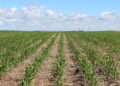
While the investigation is ongoing and there may be other sources of contamination, Farm Action’s Lucy Sears points out that one of the reasons the outbreak is so widespread is the high level of consolidation in the lettuce industry. Four companies (of which Taylor Farms is one) control 54 percent of the fresh salad market. That’s why lettuce from potentially only one contaminated farm in Mexico can sicken thousands of people in Michigan.
Nutritionist Marion Nestle notes that last year’s extreme cutbacks in CDC and FDA funding and staff are partly to blame for the slow federal response and difficulty identifying the source of the outbreak. Farm Action reports that US Representative Robert Garcia suspects that Taylor Farms “may have attempted to influence the FDA’s cyclospora investigation through its political connections with the Trump administration.”
The official advice to consumers on how to protect themselves against cyclosporiasis is to avoid eating any of the fresh vegetables and fruits that are frequently contaminated—lettuce, cilantro, basil, raspberries, green onions, and snow peas. And, of course, to not eat any of the specifically recalled products from Taylor Farms.
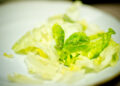
But there’s no need to avoid lettuce entirely—just commercial lettuce from opaque, potentially contaminated sources. Why is anyone in Michigan eating lettuce from Mexico in July, when fresh, local greens are in season? As eco-farmers know, the only way to be sure your food is safe is to know your farmer. If you know that the farmer growing your greens isn’t irrigating with sewage-contaminated water, you can relax and enjoy that fresh, tasty, in-season salad.