
Controlling Weed Propulations Before They Become a Problem
“In living nature, nothing happens which is unconnected to the wholes.” — Johann Wolfgang von Goethe
Demand for organic soybeans, corn and other grains is increasing dramatically worldwide. These organic grains are used directly as human food or fed to organic animals. At the same time, organic production is also rapidly increasing. Because the organic human food market has become considerably more discerning, it is no longer sufficient to simply produce organic crops. It is now essential that organic farmers learn how to produce superior quality organic crops. It is possible to consistently produce food organically that is far better quality and more nutritious than conventionally produced food.
As farmers learn organic practices, the first two questions invariably seem to be: What materials do I buy for soil fertility, and what machinery do I buy to control weeds? This is not the best way to approach organic farm management. An organic farmer cannot merely substitute an organic input directly for a conventional input. When this input substitution approach is adopted, the focus becomes far too narrow and expensive, seeking only replacements for conventional inputs without changing the total approach to farm management. Looking at only one factor in isolation can often result in missing subtle but critical effects, and drawing incorrect conclusions. One must look at a much broader picture, for every factor is interrelated and cannot be isolated from any other factor.
An example of this can be found with the conventional approach to growing alfalfa. To raise yield, large amounts of potassium chloride are commonly applied. Because of the nutritional imbalance this causes, both in the plant and in the soil, the plants become much more susceptible to insects, often requiring insecticide applications. Weed problems will increase. Instead of producing high-quality protein, the alfalfa accumulates nitrogenous compounds that are not true proteins or amino acids, as well as potentially toxic nitrates. Animals fed this alfalfa then will frequently have metabolic problems from excessive potassium intake and may suffer from other apparently unrelated health problems due to the nitrates. Few farmers connect the insect, weed, or animal health problems back to potassium fertilization, but will instead try to solve each problem as if it were a separate, isolated condition.
On an “input substitution” organic farm producing alfalfa, the farmer would search the organic standards for organically approved potassium sources, insect repellents, weed control methods, and animal health treatments. This, unfortunately, still does not look at the whole system and does not reveal the true source of the problems. Ideally, the manager of an organic farm, after a little study, would learn that alfalfa yields can be increased by raising the soil calcium availability and keeping all the other elements in balance. The resulting alfalfa will be higher in soluble solids, making the plants much more resistant to insect attack. Weeds will be suppressed, and soil structure will be improved. The plants will also live longer and will have considerably increased root mass to withstand droughts. When fed to animals, this alfalfa will be a fine source of nutrition and will not contain harmful nitrates, resulting in better animal health and longevity.
For organic production to be successful long-term, the whole philosophy of farm management must be changed. Sustainable agriculture emphasizes that any management decision, practice, crop, or input will have effects over multiple years, and the effects will be interconnected to many other factors. Organic farming must be considered a multi-year, whole farm system where no single management decision or individual crop can be viewed separately. Short-term profitability must be balanced with long-term sustainability. For this reason, it is hard to directly compare the economics of conventional and organic farming using the same criteria. What dollar value can be placed on the intentional enhancement of soil microbial activity, organic matter, and structure, or on maintaining a soil free of pathogens that may limit the choice of future crops? By carefully nurturing these and other critical factors, the productivity and profitability of the farm can be maintained for many years.
CULTURAL WEED CONTROL
Writing in 1939, German agricultural researcher Bernard Rademacher stated that “Cultural weed control should form the basis for all weed control, while the other various means should be regarded as auxiliary only. The necessary condition for any successful weed control is the promotion of growth of the crop species. Vigorous plant stands are the best means for eradicating weeds.” The same wisdom must be applied to organic agriculture today.
Heavy reliance on chemicals and powerful machinery in modern agriculture has resulted in farmers who have forgotten how much control they have over the initial weed population in a field. The chemical farming model works in a self-defeating manner. Here, the biological terrain often favors the weeds. Species are specifically selected for their ability to thrive under the particular field and chemical conditions. The weeds that find a niche then successfully reproduce and proliferate, spreading seed for the following season. Each year that the same conditions are provided, such as with the continuous culture of row crops with similar herbicides, those selected weeds will have an enormous advantage.
Cultural weed control seeks to create conditions that cause the crop plants instead to thrive. Any agronomic procedure that encourages healthy soil conditions with a diverse microbial population should also reduce weed pressure. Optimizing the biological terrain of the soil for the crop will create an unfavorable environment for many weeds, effectively reducing weed numbers and vigor. This concept forms the core of effective weed control in an organic production system.
When most people think of non-chemical weed control, they tend to visualize cultivators, rotary hoes, and various types of tillage implements. Machinery, just like fertility amendments, are inputs. Before hurrying out to buy the newest advertised machine, it is better to first consider cultural methods as the primary weed control system. It is a great deal easier to prevent weed problems than to kill them. Farmers have a remarkable ability to influence both the vigor and population size of their weed problem before they even turn the first furrow. Failing to utilize cultural weed control measures wisely puts an inordinate degree of pressure on one’s mechanical weed control ability and timing.
The production of vigorous crop plants, and therefore effective cultural weed control, encompasses all aspects of organic farm management. This includes maintaining good, balanced soil fertility, planning long-term whole farm crop rotations, wisely choosing crops and crop varieties that are well-suited to the farm, using high-quality seed and proper planting techniques, employing sanitation to remove weeds and their seeds from fields, incorporating cover crops wherever possible, and occasionally fallowing problem fields or using cleansing crops where appropriate. Targeting the vulnerable periods in the life cycle of problem weeds may allow a farmer to plan field operations effectively to reduce weed pressure. Coordinating these techniques should prevent the rampant growth of most weeds.
While no single factor can be viewed as a solution to weed control, it is important to examine some of the primary management concepts that contribute to effective cultural weed control.
CROP COMPETITION
Since a vigorously growing crop is less likely to be adversely affected by weed competition, any practice that promotes the health and vigor of the crop plants will reduce weed pressure. It is essential to create conditions where the intended crop can establish dominance quickly. Even in conventional systems, where chemicals are used, crop competition and vigor are really the primary means of effective weed control. That is because many sprays are effective only for a relatively short time before they break down, are diluted by rainfall, or leach out of the weed germination zone altogether.
The crop itself must be able to outcompete the weeds; otherwise, the weeds will rapidly dominate. Once most row crops “fill the rows,” they are big enough to prevent newly emerging weeds from growing, so the crop will remain “clean” until it matures. The goal, then, is to get the crop to this stage as early as possible and to keep weeds from getting established before then. Using high-quality seed, well-calibrated planting equipment, adapted varieties, optimal soil fertility, good soil drainage and tilth, and proper soil preparation will usually result in rapid, vigorous crop growth.
SOIL FERTILITY & CONDITION
In the 1930s, it was noted that heavy use of newly introduced chemical fertilizers in Germany brought about a very perceptible alteration in the proportion of different types of weed species. Some species which had formerly been very common as field weeds were rapidly disappearing, while other types of weeds were becoming much more prominent. We continue to see today that the type of fertility amendments one uses has a powerful effect on weed pressure, in both the number and species present.
In an organic system, it is important to rely on the biological activity of the soil as the main source of fertility and favorable physical structure. An active and diverse microbial population in the soil is key to growing healthy, high-yielding organic crops. While the chemical components of a soil are important, fertility management should focus on feeding the soil microbial life for the long term, rather than tending to the immediate and changing needs of the plants. Any fertility amendments or inputs should be considered supplemental to the natural fertility of the soil.
This population can be stimulated by increasing organic matter, by performing certain tillage operations that add oxygen to the soil, and limiting other tillage operations that unnecessarily disturb soil structure, and by avoiding the addition of any materials that will adversely affect microbial growth. The presence of microorganisms and organic material in the soil is essential to holding soil nutrient ions in the crop root zone, to prevent them from being lost to erosion or leaching. Microbial activity in soil may also shorten the life of dormant weed seeds and break down perennial roots and rhizomes, further reducing potential weed pressure.
Soil organic matter, especially material that is actively decomposing, is a tremendous source of plant nutrients and nutrient holding capacity. Well-decomposed organic matter, or humus, and clay particles can hold mineral ions in the plant rooting zone, making them available for plant absorption. As dead plants and animals decompose, many of the mineral ions that had once made up their structure are released into the soil solution. Free mineral ions not held securely by electrical attractions to soil particles are rapidly removed by leaching and erosion.
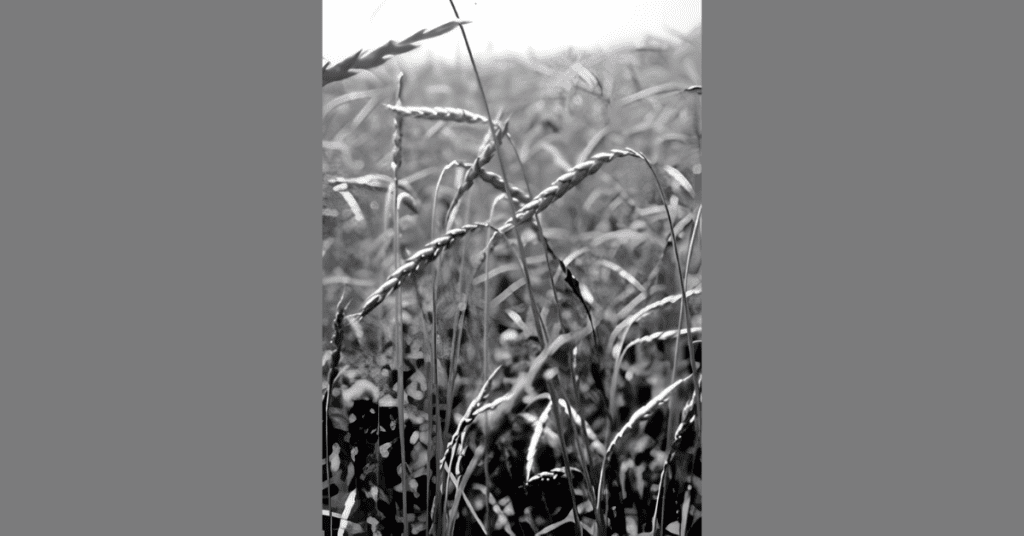
The amount of organic matter in a soil can vary greatly according to soil type and previous cropping practices. In many soils, organic matter can be actively increased to 4 to 5 percent through the use of varied crop rotations, cover crops, and the incorporation of composted manure, leaves, or other plant or animal residue. By using a variety of different types of organic materials, the grower encourages a more diverse microbial population than by adding large quantities of a single type of organic matter. Many types of fungi and bacteria actively decompose vegetable matter to produce gummy polysaccharides. These aid in the formation of stable soil aggregates. This type of soil structure aids water infiltration, plant root growth, and microbial growth by creating a soil that is loose and filled with pores containing both water and air.
Soil tests can be very useful, but only if the results are interpreted appropriately for the organic farming production system model. Many soil testing labs, unfortunately, do not provide evaluations that take into account organic farming practices, and therefore they may be of limited value. It is important to select a soil testing lab that will give information on cation exchange capacities, pH, soil organic matter, and percent base saturation for potassium, calcium, and magnesium, as well as micronutrient levels.
On soils with a CEC above 8, a 7:1 (percent saturation) calcium-to-magnesium ratio will probably be optimal for weed control and crop plant growth. This ratio, in particular, appears to be a key factor regulating weed population size and strength. When magnesium levels are high relative to calcium levels, high weed populations and soil compaction are more likely to result. The presence of weeds can be a clear indicator of which chemical components are out of balance in the soil. Many prevalent weed species in fields throughout the United States, such as foxtail and summer annual grasses, thrive in hard, compacted soils, most often soils that are also low in calcium and high in magnesium. For this reason, weed control can usually be improved by calcium amendments. However, in a soil that is excessively high in calcium, different weed species will be favored. A correct balance between the two ions is needed.
Not all organically acceptable fertility materials may actually benefit the soil. While most people realize that lime can be a beneficial source of calcium, it is less well known that inexpensive and readily available dolomitic lime, which is high in magnesium, can actually accentuate some weed problems in soils with already adequate or high magnesium. On such soils, substituting gypsum as a lime source may be a better choice. Gypsum, which is calcium sulfate, has the unique ability to supply calcium while slightly lowering the pH of the soil. It also provides needed sulfur. The addition of materials such as lime and gypsum should ideally be made in relatively small amounts over a number of years, allowing them to move evenly through the soil structure without causing a rapid change in a narrow band.
Nutrient ions do not work independently of each other. Deficiencies or excesses of many nutrients may affect the availability of other nutrients. For example, dramatically raising phosphorus levels can induce a zinc deficiency. Micronutrient deficiencies will decrease the vigor of crop plants, making them less competitive and therefore creating more weed pressure. Certain weed species thrive under nutrient-poor or imbalanced nutrient conditions. On a soil that is deficient in zinc and sulfur, weeds like thistle and dandelion tend to develop deep taproots, making them much harder to control with mechanical cultivation. Wild carrot, chicory, and dandelion will dominate clover and alfalfa fields that have weakened because of nutrient deficiencies.
When organic fertilizers fail to produce good results, it is often because they are being applied to soils that have a low level of biological activity. A healthy, biologically active soil takes time and deliberate effort to establish, especially if the land has been conventionally farmed for many years. During transition, the damage to soil life from chemical fertilizers, pesticides, and monoculture persists, making fertility management and weed control more difficult. One way to reduce these problems is to grow as much hay as possible on transitional land. This will help restore soil biological activity and help reduce weed pressure. It is especially valuable if the hay is fed to animals on the farm, and the manure is returned to the land. However, if the hay is continually sold off the farm, this can rob the soil of essential minerals and cause deficiencies that may then need to be corrected with outside inputs. If a well-managed organic rotation is practiced for several years, the soil microbial population will increase and diversify. This causes soil fertility to improve with minimal need for outside inputs.
One common mistake made by many organic farmers concerns the application of manure or poorly finished compost in an attempt to enhance soil fertility. When improperly or incompletely composted manure is added to soil, this tends to throw off balance certain soil nutrients and soil microbial systems. This can cause disastrous weed “blooms.” This effect is often observed around the perimeter of a manure pile. The effect on the soil is similar to that of many chemical fertilizers. When manure is applied to a field, timing, application rate, and the type of manure should be carefully considered. Anaerobically digested pit manure is especially likely to cause weed problems. If manure of this kind must be used, it is best applied to a growing cover crop in late summer so the nutrients can be assimilated by the cover crop and supplied to successive crops in a higher quality form. Any weeds stimulated by the manure that is applied at this time will be suppressed by the cover crop or will die over the winter.
CROP ROTATION
When the price of organic soybeans is high, it is a temptation to plant as many acres of soybeans as possible. While this may be typical of management on a conventional farm, organic certification and good organic sense usually should discourage this practice. Diverse crop rotations that encompass the entire farm and that are planned a number of years in advance are essential to build a healthy sustainable organic system and to break pest cycles. Continuous monoculture of any species, including well-managed organic grains, effectively selects for populations of weeds, pathogens, and insects that are very well adapted to those conditions. Every year that such an environment is created, all adapted pests that escape control measures will reproduce prolifically. In a proper crop rotation, the environment changes each year and will deny pest populations the previous year’s favorable conditions.
Bernard Rademacher stated that “If each crop is grown after its most suitable predecessor, the competition of weeds is checked through its vigor alone. Moreover, the danger of plant disease is diminished through suitable cropping, and therewith the formation of poor and patchy stands, which encourage weed growth, is to a large extent eliminated. Finally, good crop rotations promote diverse soil microbial activity that can decrease the vigor of weed seeds.” The “rotation effect” has been frequently documented to increase yield and vigor of the crop, therefore making the crop more competitive and reducing weed pressure.
In general, it is best to alternate legumes with grasses, spring-planted crops with fall-planted crops, row crops with close-planted crops, and heavy feeders with light feeders. Careful use of cover crops during times when the ground would be bare adds organic matter and releases nutrients, improves soil microbial diversity, and prevents erosion. A typical long-term rotation on a northeastern United States organic grain farm might start with a small grain underseeded with an alfalfa/grass or clover/grass cover crop. This would be plowed down and planted to corn the next year, and then to soybeans in the third year. The soybeans are followed by a winter small grain, then underseeded to a legume, which may either be kept as hay for two to three years or used as a cover crop.
Organic farmers must experiment with different rotations and learn which will work well on their farm. For a beginning organic farmer, it would probably be best to chart the crops planned for all fields on the farm over the next 3 to 4 years. This will help to plan long-term rotations on individual fields while looking at the overall balance of crops on the entire farm in any given year. It is important to maintain a long-term balance of hay, pasture, row crops, and small grains on the whole farm, taking into account any necessary soil conservation practices, livestock requirements, time constraints, and market profitability.
ALLELOPATHY
One way that plants compete with each other is by releasing chemical substances that inhibit the growth of other plants. This is called “allelopathy” and should be viewed as one of nature’s most effective ways that plants deal with competition.
Species of both crops and weeds exhibit this ability. Allelopathic crops include barley, rye, annual ryegrass, buckwheat, oats, sorghum, sudan-sorghum hybrids, alfalfa, wheat, red clover, and sunflower. Vegetables, such as horseradish, carrot, and radish, release particularly powerful allelopathic chemicals from their roots.
The allelopathic effect can be used to an advantage when oats are sown with a new planting of alfalfa. Alleopathy from both the alfalfa and the oats will prevent the planting from being choked with weeds in the first year. Buckwheat is also well known for its particularly strong weed suppressive ability. Planting buckwheat on weed problem fields can be an effective cleanup technique. Some farmers allow the buckwheat to grow for only about six weeks before plowing under. This not only suppresses and physically destroys weeds, it also releases phosphorus and conditions the soil.
The allelopathic effect of certain weed species can be detrimental. Allelopathic weeds include quackgrass, giant and yellow foxtail, crabgrass, curly dock, and Canada thistle. Studies have shown that giant foxtail can reduce corn yield by 35 percent. Weed allelopathic effects have been shown to reduce soybean yield by as much as 50 percent.
VARIETY SELECTION
Careful selection of crop varieties is essential to limit weeds and pathogen problems and to satisfy market needs. Recent plant breeding in most crops has selected varieties well suited to chemical fertilizer and pesticide management. In small grains, many of these new varieties are short and are not highly competitive. Often, the older, less developed varieties are larger, more disease resistant, and more vigorous than more modern varieties and are able to obtain an optimal yield at lower levels of supplemental fertilizer. Any crop variety that is able to quickly shade the soil between the rows and is able to grow more rapidly than the weeds will have an advantage. It is also important to consider planting disease-resistant varieties if certain pathogens are prevalent in the area.
Plant population needs to be matched to the variety. If a very high population is desired, narrower row spacing is often better than crowding plants tighter within the row. This will also produce faster canopy cover. A very high population of a competitive small grain variety can result in lodging and therefore cause yield loss. Variety selection in soybeans seems largely market driven. It is fortunate that the tofu variety of choice, Vinton 81, is much larger and more vigorous than many commercial soybean varieties that have been bred for modern agronomic conditions. Where shorter soybean varieties are used, it may be necessary to drill a high population in order to get sufficient yield, rather than to plant in wider rows. While this approach works for some farmers, it prevents the use of many types of mechanical weed control tools.
SANITATION
It is possible to prevent many new weeds from being introduced onto the farm and to prevent existing weeds from producing large quantities of seed. The use of clean seed, mowing weeds around the edges of fields or after harvest to prevent weeds from going to seed, and thoroughly composting manure before application can greatly reduce the introduction of weed seeds and difficult weed species. It is even possible to selectively hand-eradicate isolated outbreaks of new weeds, effectively avoiding future infestations.
Planting clean, high-quality seed is essential to crop success. Seed that is contaminated with viral or fungal disease pathogens or that has a low germination rate can result in slow or non-uniform plant growth. This will make any mechanical weed control measures more difficult and may permit weeds to dominate the field. When farmers produce their own seed, it pays to have the seed thoroughly cleaned and tested professionally for germination before planting. Legume seed inoculation with the appropriate strain of Rhizobium bacteria will ensure that nitrogen fixation begins quickly and uniformly.
Other sanitation factors to consider would include:
Thorough cleaning of any machinery which might have been used in weedy fields, and the establishment of hedgerows to limit wind-blown seeds.
DEEP SHADING CROPS
A deep shading crop is one that intercepts most of the sunlight that strikes a field, keeping the ground dark enough to smother any weed seedling soon after emergence. Ideally, such a crop should provide complete shading early in the season and maintain it as late as possible. It is desirable for the crop to be tall and give heavy shade that is high enough to prevent weeds from breaking through the canopy and growing above the crop, which would allow them to mature seeds, as often happens in peas or beans.
Hay crops of alfalfa, clovers, and grasses are particularly good shading crops because any weeds that grow in them will be cut when the hay is harvested and therefore won’t be able to make seed. Obviously, if hay fields are allowed to become old and weak before they are rotated back into row crops, weeds will begin to grow in them also. Some farmers find that planting mixtures of legumes and grains, such as “mileage” (soybeans and sorghum) or “peacale” (field peas and triticale) provide much better competition against weeds and improved soil conditioning than their individual components when seeded alone. Other good smother crops include rye, corn, sorghum, barley, canola/rape, and some of the larger varieties of oats and potatoes.
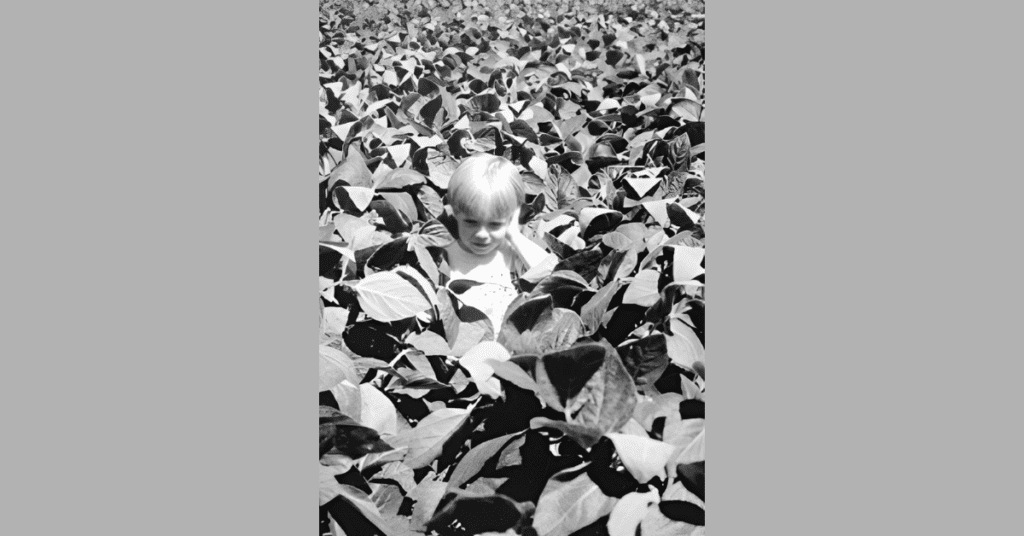
There is some evidence that deep shading may actually hasten the decomposition of weed seeds. It has been widely observed that soil that has been covered with black plastic or other types of mulch is virtually weed free after the mulch is removed. It seems likely that a combination of the shade-induced seed dominancy, and the direct destruction of seeds under heavy shade could explain this observation.
SUMMARY
While there are certainly other important factors to consider, these practices illustrate the concept of cultural weed control. Preventing the weeds from getting out of control sometimes seems like an insurmountable task, particularly during the transition period. Once soil is weaned from chemicals and a sustainable, long-term organic system is established, with careful attention to balanced soil fertility and crop rotation, weed pressure usually dramatically decreases, and the weed species change to those that are easier to control.
Many organic farmers could contribute other valuable cultural weed control practices. The authors, Mary-Howell & Klaas Martens, would like to hear from other organic farmers who have additional ideas on cultural weed control to share. They can be reached at kandmhfarm@sprintmail.com.