

Recognizing weeds as nature’s subtle communicators can revolutionize farming strategies
Weeds have traditionally been villains in agriculture, infamous for usurping nutrients and hampering crop growth. However, this prevalent perception overlooks their valuable role as bioindicators that unveil crucial information about soil health and ecosystem conditions.
Historically, before sophisticated soil testing methodologies emerged, farmers relied on weeds to discern soil conditions and customize agricultural practices accordingly. Weeds are opportunistic pioneers, swiftly colonizing areas where predominant plants face hardships, thus revealing vital cues about soil health and environment. Recognizing weeds as nature’s subtle communicators — providing valuable insights into soil pH, compaction, nutrient profile and contamination — can revolutionize sustainable farming and ecological conservation strategies.
What Weeds Tell Us
Weeds’ adaptability to varied soil conditions makes them living barometers of soil health. Their presence, abundance or absence can illuminate details about physical soil composition, pH levels and nutrient availabilities. Researchers have identified certain weeds, such as bindweed and chickweed, as indicators of compacted soil, guiding measures like soil aeration or reduced tillage to improve soil health.
Soil pH — a critical aspect of soil health — can be gauged by observing weed prevalence. For example, the prevalence of sorrel indicates acidic soils, guiding necessary amendments like lime applications. Weeds also narrate tales of nutrient abundances or deficiencies, guiding precision in fertilization practices to ensure balanced, healthy soils.
In the realm of pollution, weeds have shown resilience as detectors of heavy metal contaminants. Specific weed species like Parthenium weed, alpine pennygrass and Arabidopsis halleri can hyperaccumulate metals like cadmium and lead in their tissues, serving as living markers for environmental monitoring and assessments. In the shadow of herbicides, weeds like Palmer amaranth, waterhemp, and giant ragweed emerge as heroes, with these species showcasing resistance to common herbicides, thus pointing toward herbicide persistence in the environment and guiding integrated weed management strategies.
High salinity, another adversary of soil health, also finds a narrator in specific weed species. Weeds like saltbush and Russian thistle have evolved mechanisms to tolerate salinity, offering essential cues to manage and remediate saline soils. Beyond the soil, weeds have also proven to be silent observers of air quality, with species like horseweed acting as indicators of atmospheric pollutants such as nitrogen oxides and sulfur dioxide.
However, leveraging weeds as reliable bioindicators demands a nuanced understanding of ecological variables, including geographic location, climate and historical land usage. Integrating weed observations with advanced technological tools like remote agricultural sensing can augment their reliability, offering a nuanced, multidimensional insight into environmental conditions and soil health. The omnipresence of weeds, paired with their adaptability, makes them untapped treasures of ecological wisdom. Embracing weeds as bioindicators can be a cornerstone in regenerative agricultural practices, environmental conservation strategies and broader ecological harmony, marking a significant stride toward understanding and safeguarding our environment for the flourishing of future generations.
Allowing Weeds to Guide Us
There are several reasons why using weeds as bioindicators may have gone by the wayside. Soil testing has become inexpensive and available for most farmers in North America. Many modern farming practices involve the use of herbicides to control weeds. This can make it challenging to rely on weeds as indicators when they are actively managed and suppressed. Modern agriculture also tends to rely on proactive rather than reactive land management. While observing weeds as bioindicators is a powerful tool, the best practice is to synthesize these observations with other data like soil tests.
Weeds, nature’s resilient botanicals, extend beyond their notorious reputation, emerging as sentinels of environmental health and soil conditions. Recognizing and respecting their subtle messages can illuminate pathways for sustainable agricultural triumphs and ecological well-being, ushering an era where the wisdom of weeds is celebrated and utilized for a harmonious coexistence with nature.
Weeds to Know
All photos courtesy of Weeds: Control without Poisons by Charles Walters, published by Acres U.S.A.

Common Purslane (Portulaca oleracea): Purslane is often found in soils that are compacted or have poor drainage.
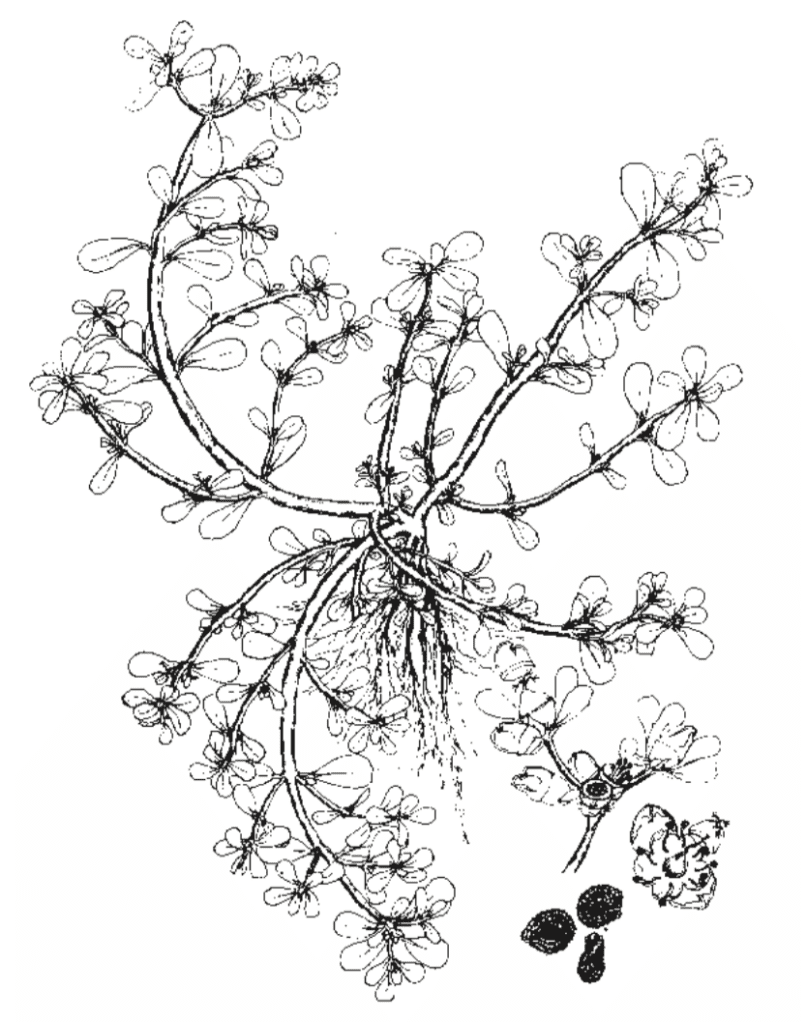
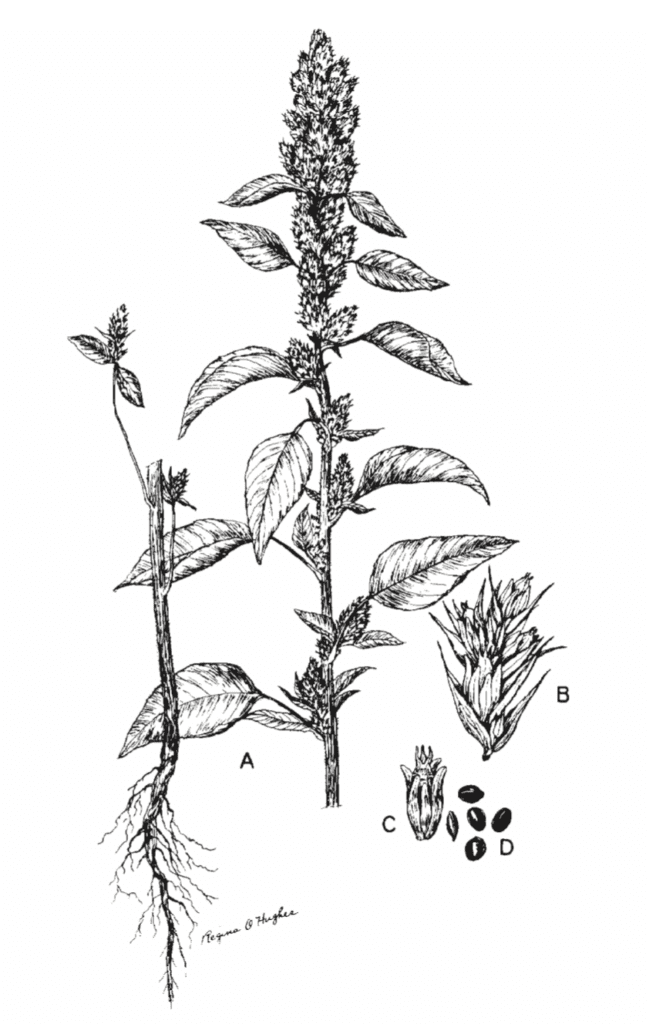
Redroot Pigweed (Amaranthus retroflexus): Like other pigweed species, redroot pigweed can indicate high nitrogen levels in the soil. It is a common weed in agricultural fields.
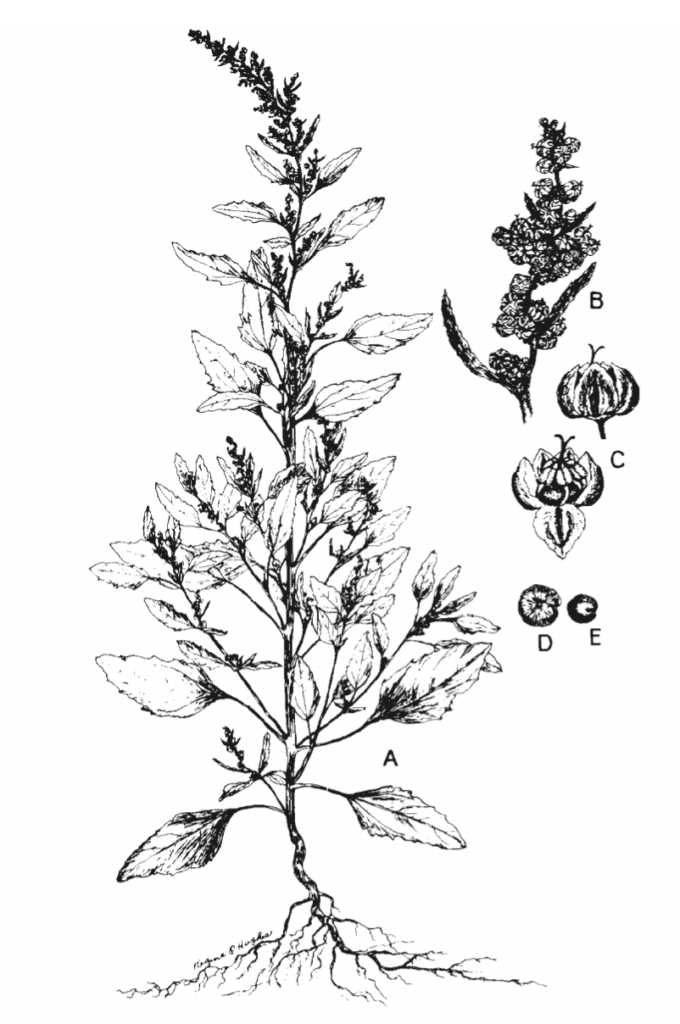
Lambsquarter (Chenopodium album): Lambsquarter is often found in soils that are rich in nutrients, particularly nitrogen.
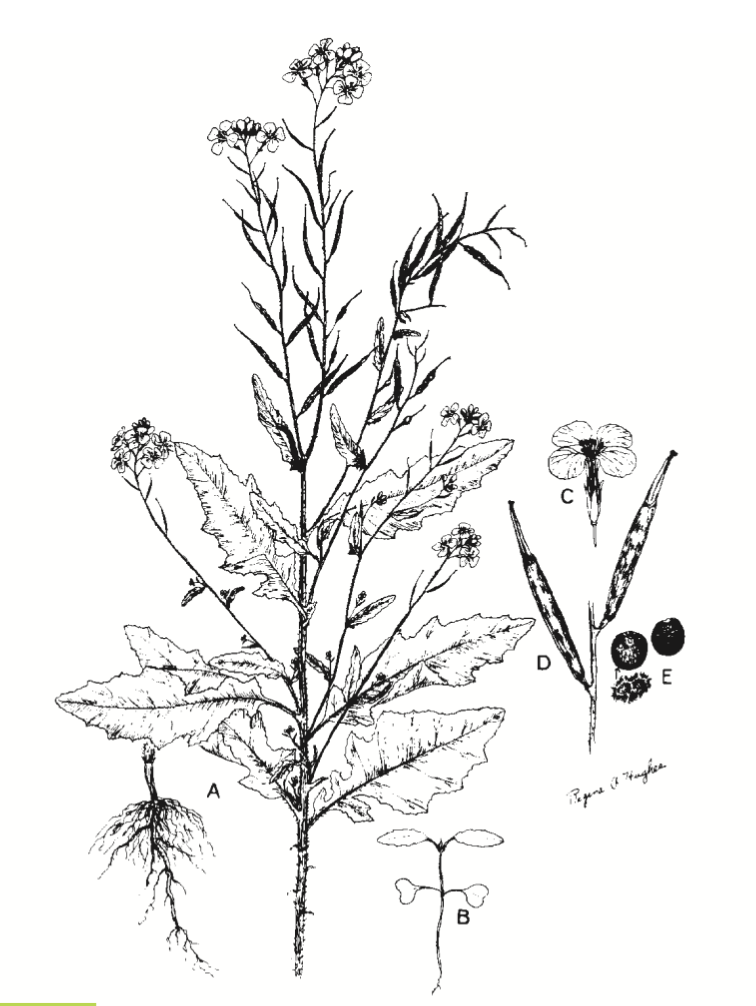
Wild Mustard (Sinapis arvensis): Wild mustard is often associated with soils that have been disturbed or have a history of tillage.
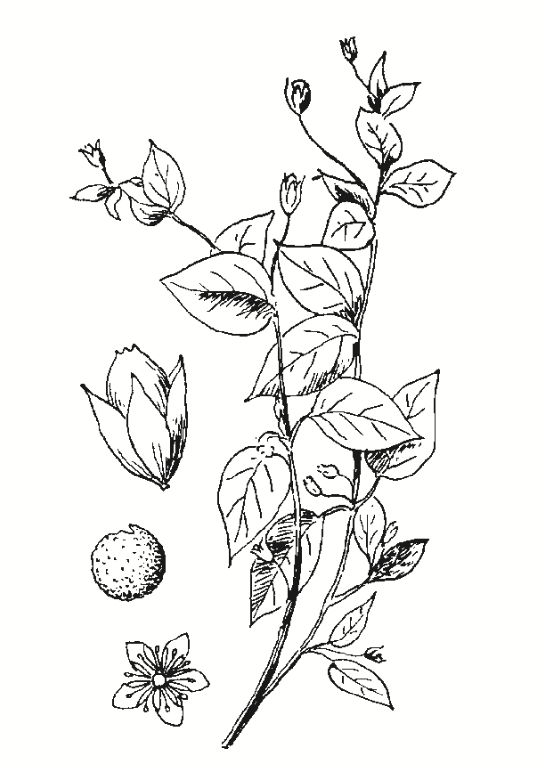
Common Chickweed (Stellaria media): Chickweed often thrives in soils with high moisture levels or compaction issues. Its presence may suggest poor drainage.
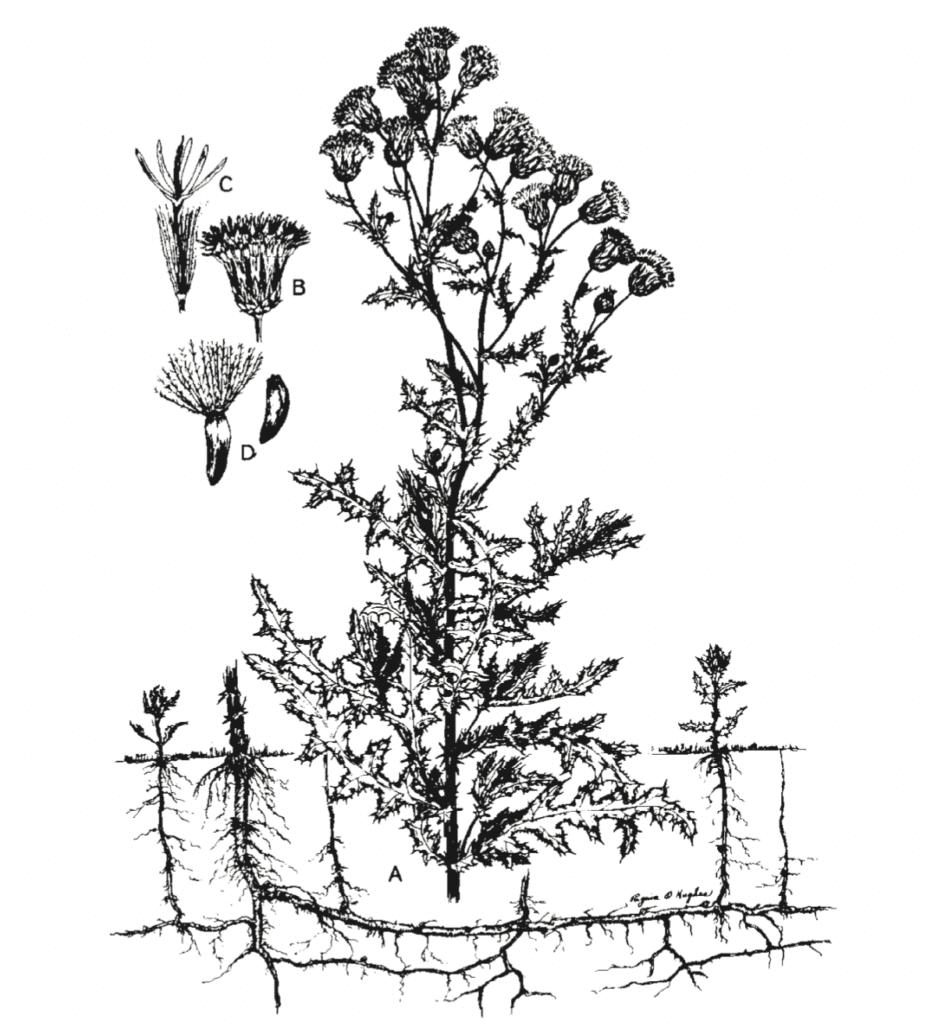
Canada Thistle (Cirsium arvense): Canada thistle is known to thrive in soils that have been overgrazed.
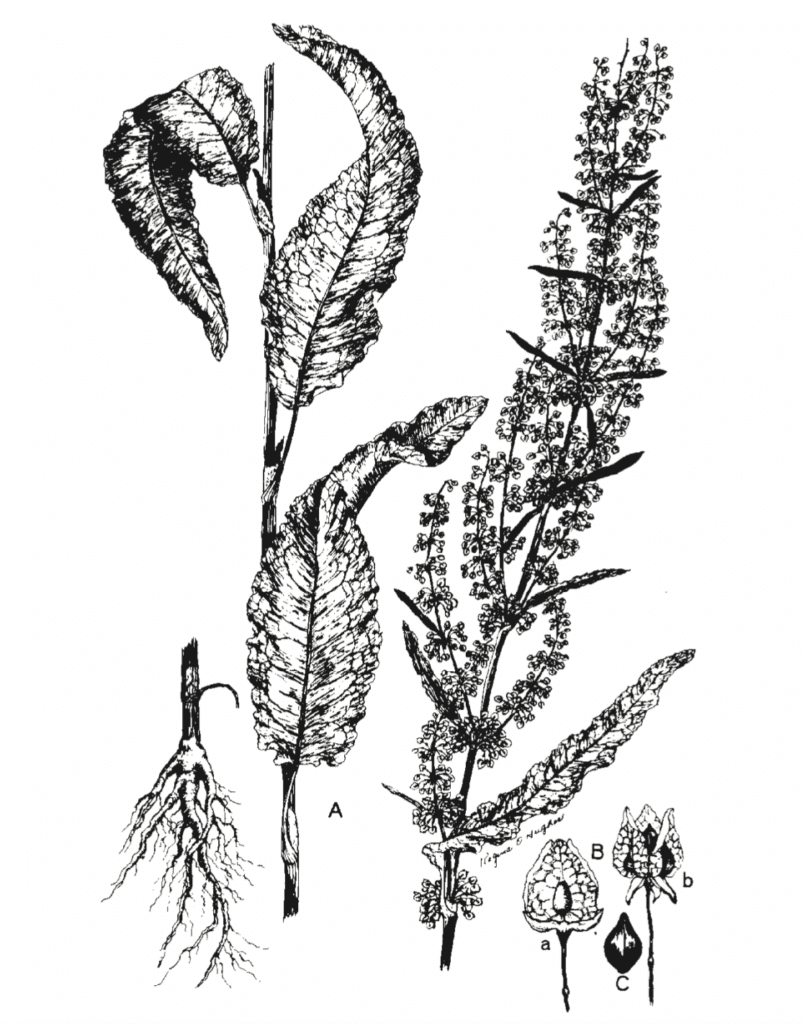
Curly Dock (Rumex crispus): Curly dock is often found in soils with poor drainage or compaction.
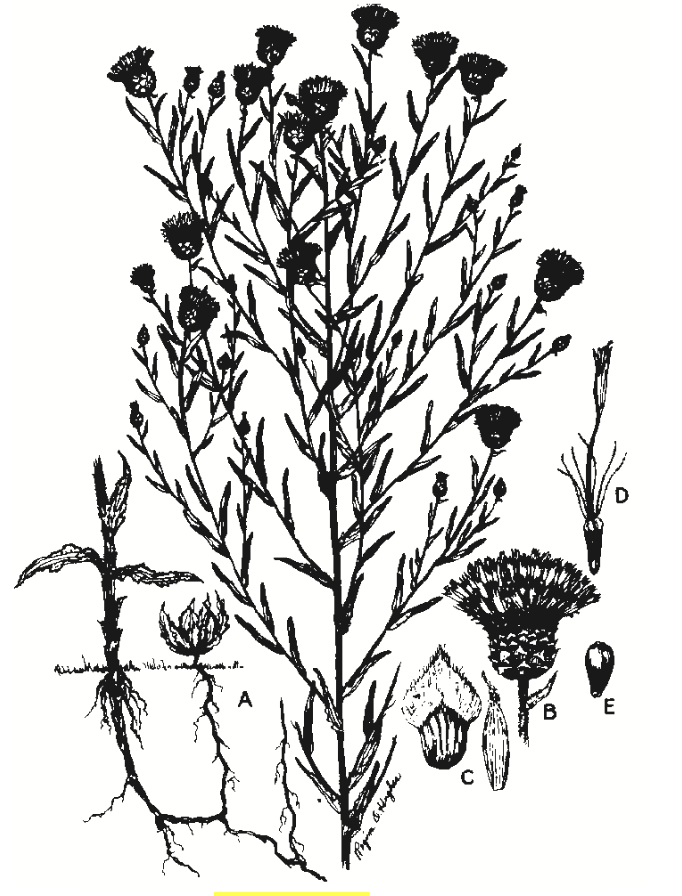
Russian Knapweed (Acroptilon repens): Russian knapweed is often associated with alkaline soils or soils with high pH levels.
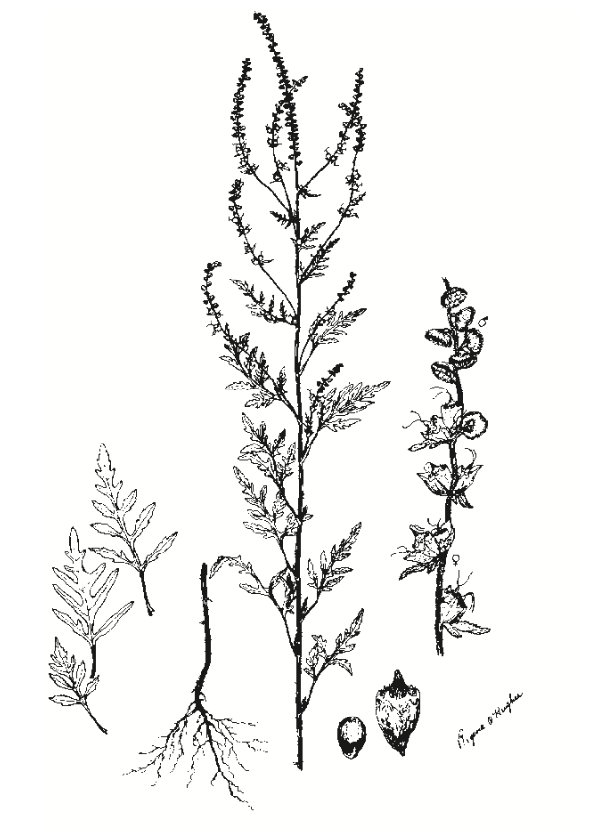
Common Ragweed (Ambrosia artemisiifolia): Common ragweed is often found in soils that are low in calcium.
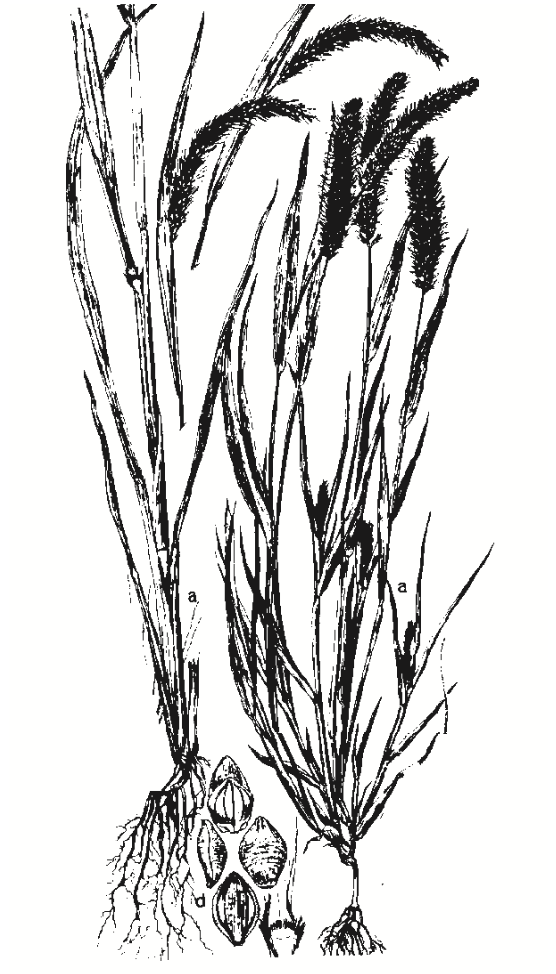
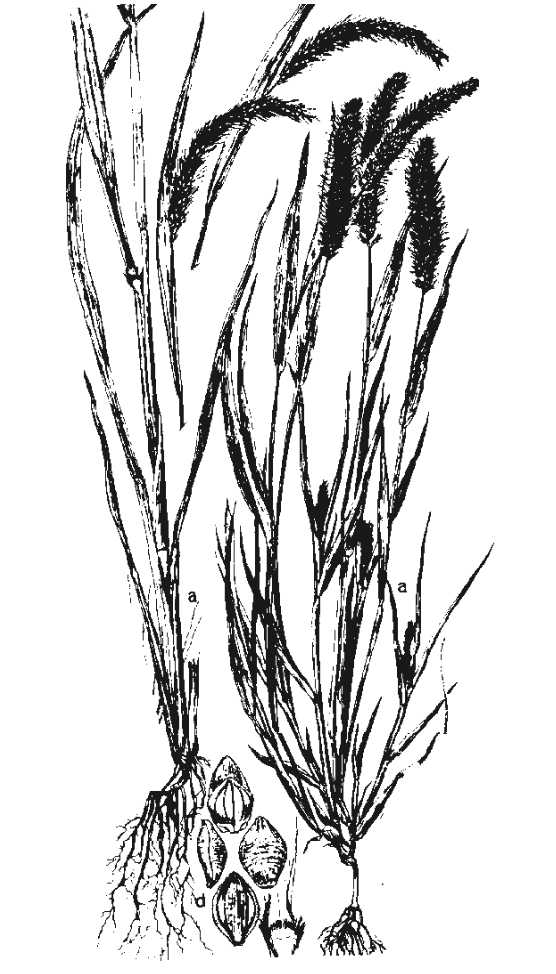
Bristly Foxtail (Setaria verticillata): Bristly foxtail is indicative of soils with poor fertility and low nitrogen levels.
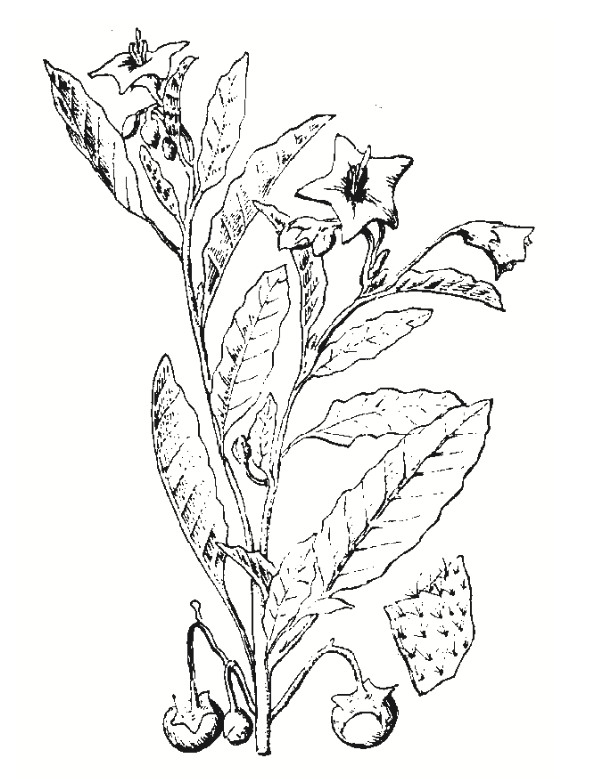
Horsenettle (Solanum carolinense): Horsenettle is typically found in soils that are low in organic matter.
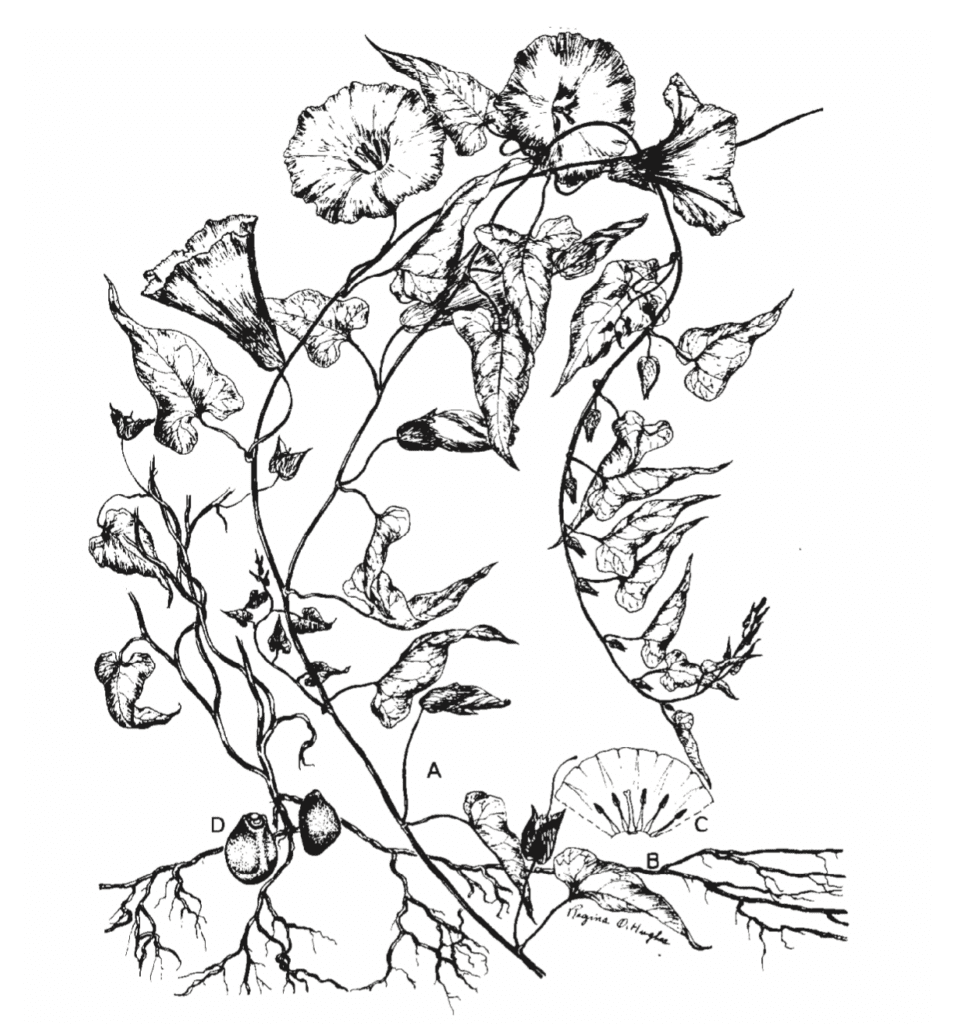
Field Bindweed (Convolvulus arvensis): Field bindweed is often associated with alkaline soils.
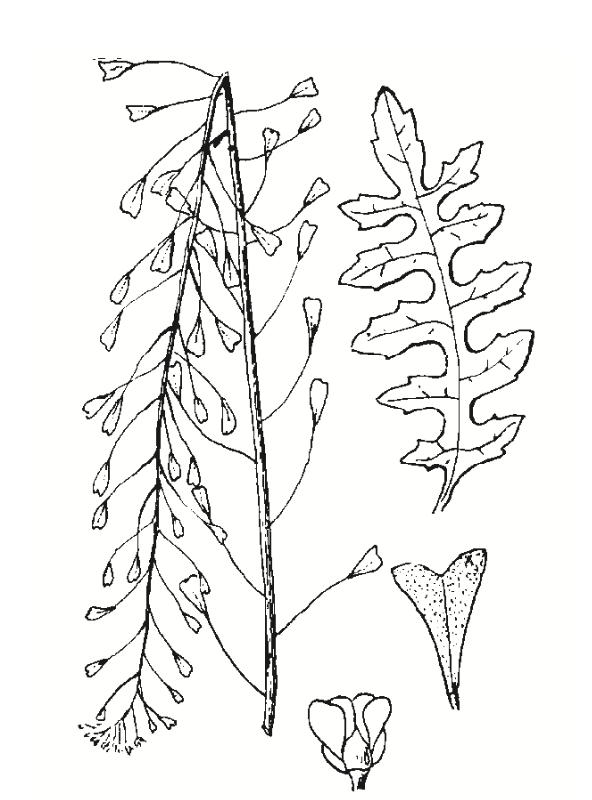
Shepherd’s Purse (Capsella bursa-pastoris): Shepherd’s purse is often found in soils with high phosphorus levels.
Foxtail Barley (Hordeum jubatum): Foxtail barley is often found in areas with poor drainage or saline soils.