

How beneficial microbes enhance the plant’s immune system — a phenomenon known as induced systemic resistance
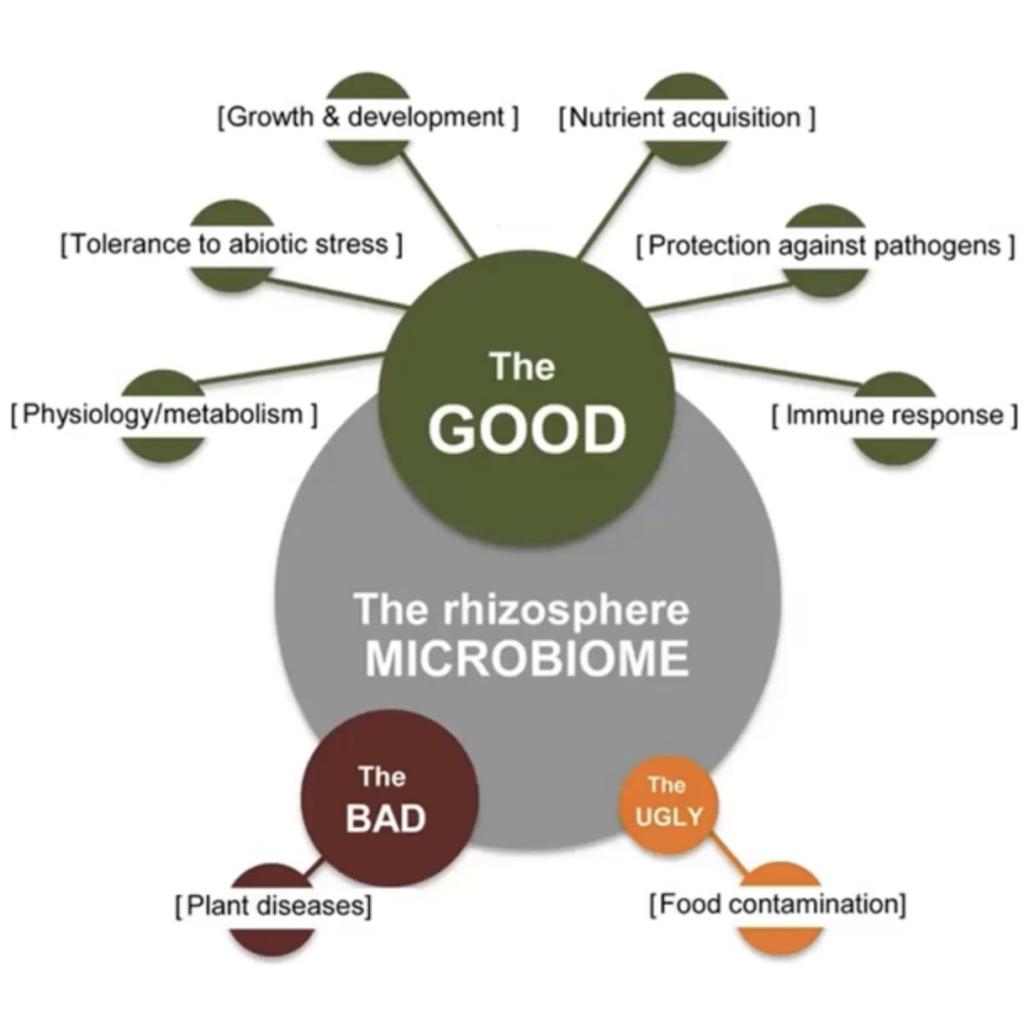
In both commercial and regenerative agriculture, beneficial microbes play a crucial role in balancing the ecosystem and promoting plant health. Despite their importance, many functions of these microbes remain poorly understood due to the complexity of the microbial universe.
Traditionally, beneficial microbes were known primarily for decomposing organic matter, thus supplying essential nutrients to plants. However, many organic regenerative farmers, including myself, have observed additional benefits from utilizing diverse microbial populations. These benefits include improved crop health, enhanced plant immunity to pests and pathogens, and better crop quality. Despite the difficulty in quantifying these observations, recent scientific discoveries have started to validate these claims.
In 1998, researchers discovered a connection between beneficial soil microbes and the enhancement of plant immune systems, a phenomenon known as Induced Systemic Resistance (ISR). This study identified jasmonic acid and ethylene as key phytohormones in the process. Initially, ISR was linked to the presence of disease-causing microbes, aligning with the conventional understanding of a body reacting to environmental stressors. Over time, numerous beneficial microbes — such as bacillus, pseudomonas, trichoderma, rhizobium, azospirillum, streptomyces, mycorrhiza, actinomycetes, serratia, paenibacillus, burkholderia, enterobacter and lysobacter — have been associated with ISR, unveiling new dimensions of plant-microbe interactions.
The revelation that beneficial microbes, typically associated with nutrient cycling, could also trigger ISR opened new avenues for scientific exploration. This finding was significant because increased plant immunity is directly linked to the production of secondary metabolites, which are crucial for crop quality and nutrient density. It is now evident that beneficial microbes are essential not only for nutrient cycling but also for triggering plant immune responses and enhancing crop quality. Therefore, a robust and diverse community of beneficial microbes is vital for plants to reach their genetic potential.
As the quest for alternatives to synthetic fertilizers and pesticides continues, the role of these microorganisms in promoting plant health and productivity becomes increasingly clear. Subsequent research has further connected beneficial microbes in the rhizosphere to ISR. For instance, a study led by Prof. Amélie Gaudin at UC Davis demonstrated that organic tomatoes with diverse soil microbial populations had fewer beet leafhoppers compared to conventionally grown tomatoes. This research highlights the potential of beneficial microbes in naturally enhancing plant defenses and reducing pest pressure.
The Phytohormone Healthcare Team
In the tomato study, microbial DNA analysis confirmed that more diverse microbial species were present in the soil of the organically grown tomatoes than of conventionally grown tomatoes. This was the primary difference between the two populations. On a hunch, the researchers assessed the levels of plant hormones in the leaves and discovered increased levels of jasmonic acid, salicylic acid and ethylene in the organic tomatoes. Essentially, the organic microbial population activated plant defense pathways, making the plants less appealing to pests.
ISR acts like a vaccine for plants. Beneficial microbes colonize the roots and “prime” the plant’s immune system, preparing it for a quicker and stronger defense response when attacked by pathogens. When beneficial microbes are present, they help trigger a comprehensive defensive strategy that includes ISR.
To understand this concept more deeply, let’s compare these phytohormones to a high-functioning healthcare system. Beneficial microbes prime the plant’s defenses and act as the initial emergency call, sending the healthcare system into action. Jasmonic acid is like the hospital’s emergency response team in the plant’s healthcare network. When beneficial microbes are present, they initiate rapid production of jasmonic acid, which activates defense genes throughout the plant. These genes produce proteins and compounds that enhance the plant’s resistance to a wide range of threats, much like an emergency response team mobilizing specialists across a hospital network. Jasmonic acid also ensures the entire plant is prepared for future attacks, maintaining a heightened state of readiness.
Ethylene can be compared to the hospital’s medical coordinator, working alongside the emergency response team. This hormone ensures that the right treatments (secondary metabolites) are produced and administered at the correct time. Ethylene coordinates with jasmonic acid to regulate the plant’s immune responses, making sure that the defensive compounds are synthesized and deployed where they are needed most.
Salicylic acid functions like the hospital’s preventive care specialist. While jasmonic acid and ethylene primarily manage the immediate response to threats, salicylic acid focuses on long-term health and immunity. It boosts the plant’s immune system to prevent future illnesses. Salicylic acid activates defense mechanisms specifically designed to protect against pathogens, such as bacteria and viruses. In the context of ISR, salicylic acid helps the plant maintain a heightened state of alertness. When a problem is detected in one part of the plant, signals are sent throughout the entire plant to prepare all areas for potential threats.

Based on this information, farmers can totally reframe the way they look at integrated pest management, focusing on a healthy soil microbiome as the foundation of a solid integrated pest management plan.
ISR’s Impact on Crop Quality
Induced systemic resistance significantly improves crop quality as an unintended consequence of the plant boosting its own immune system. A plant with high fruit quality will have a strong immune system, and a plant with a strong immune system will have high fruit quality. The two functions are fundamentally intertwined on a biochemical level.
As the plant responds to beneficial microbes in the rhizosphere and ISR is triggered, there is an increase in secondary metabolites. Secondary metabolite production, such as nutrients, flavonoids, alkaloids and terpenoids, is triggered by the hormones involved with ISR. These metabolites boost the nutritional value, flavor and shelf life of crops, making them more beneficial and appealing to consumers.
For instance, flavonoids have antioxidant properties that are beneficial to human health. By consuming crops with higher levels of these compounds, consumers can gain more health benefits, such as improved heart health and a reduced risk of chronic diseases. Many secondary metabolites contribute to the flavor and aroma of fruits and vegetables. Alkaloids and terpenoids, for example, can provide distinctive tastes and scents that make crops more enjoyable to eat. The activation of ISR and the resulting increase in these compounds lead to crops with richer and more desirable flavors and aromas, appealing to both consumers and chefs.
Compounds like phenolics have antimicrobial properties that can protect against spoilage and decay. When ISR is activated, the increased production of these metabolites helps crops stay fresh longer, reducing waste and improving the efficiency of food supply chains. This dual benefit of ISR — enhanced immune system and improved crop quality — truly highlights the importance of beneficial microbes in crop production.
Practical Applications
For farmers, the implications of understanding ISR via beneficial microbes are tremendous. By maintaining a healthy soil microbiome and applying biological control agents, such as beneficial microbes, to seeds and soil, farmers can naturally enhance plant defenses and reduce dependency on chemical pesticides.
Seed coatings with beneficial microbes provide plants with protection against diseases from the very start, ensuring healthier growth and increased resilience. Additionally, adopting practices based on regenerative agriculture wisdom, such as crop rotation, cover cropping, reduced tillage and compost application, fosters a healthy soil microbiome. These practices not only support the activity of beneficial microbes but also improve soil health, increase biodiversity and promote sustainable farming.
Synthesizing ISR knowledge and regenerative practices focused on a diverse and robust soil microbiome leads to healthier crops, improved yields and more sustainable agricultural systems.
As we continue to explore and understand the intricate relationships between plants and their microbial allies, it becomes increasingly clear that these tiny organisms are essential guardians of the garden, paving the way for a more sustainable and productive agricultural future.
| Reference Blundell, R., et al., “Organic management promotes natural pest control through enhanced plant resistance to insects.” bioRxiv, 787549, 2019. |
Craig Hartsough is a fifth-generation farmer from northern Indiana and a graduate student at Texas Tech University, nearing completion of an M.S. in Horticulture. His thesis explores plant-microbe interactions that lead to induced systemic resistance in plants. He is also a horticulture instructor at Kalamazoo RESA, a leading high school career center in Michigan.