



Averting another farm crisis will require policy changes ag leaders are unwilling to even talk about
“Could Iowa be facing another farm crisis? Fears grow as costs rise” is the $64,000 question posed in the headline of a May 5 story by Donnelle Eller in the Des Moines Register. According to various experts, “U.S. farm income will continue to decline over the next decade.”
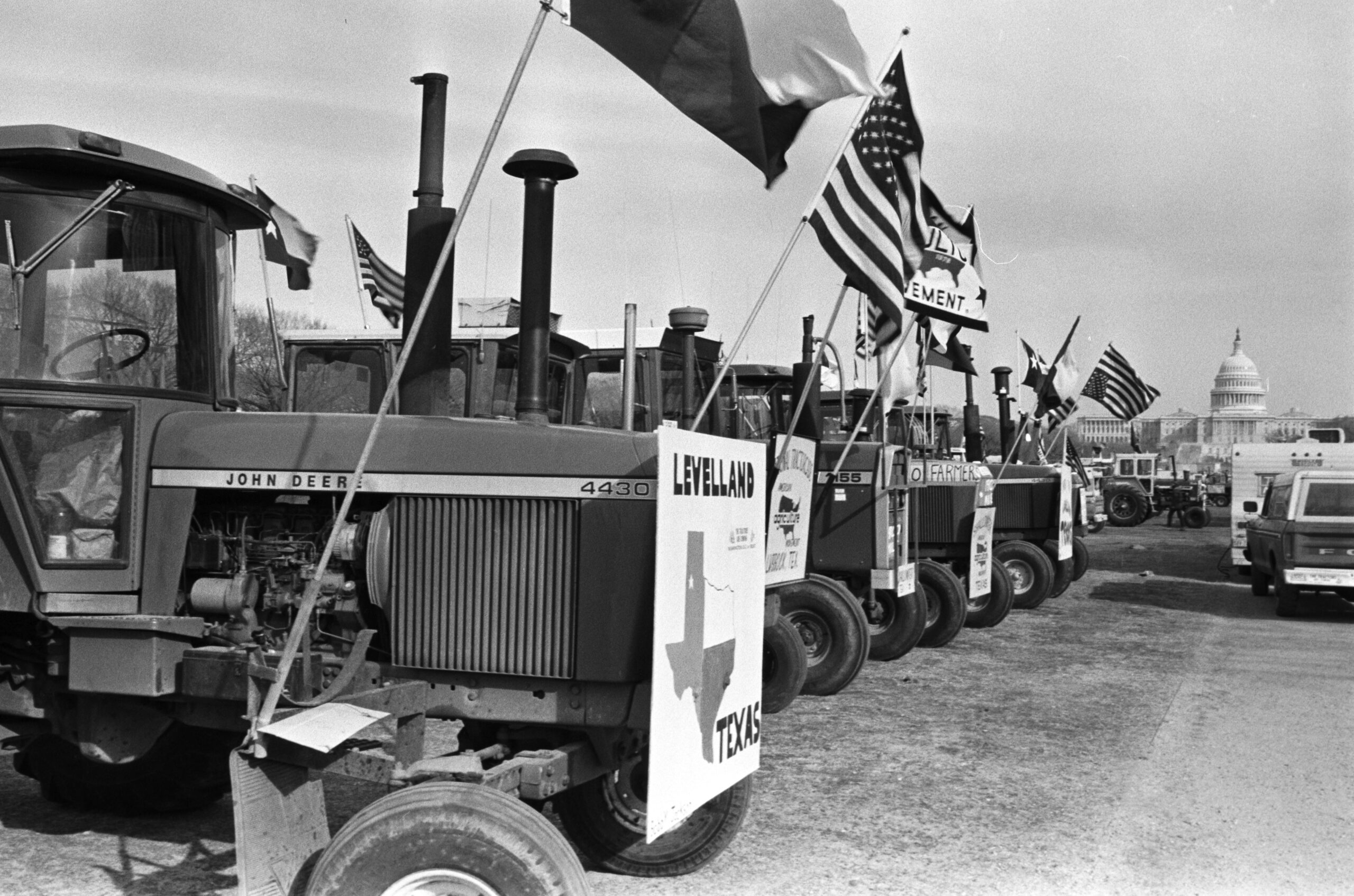
As a result, Iowans can expect “more consolidation — fewer farms that get bigger and bigger.” The piece revisits the farm crisis that began in the early 1980s, a period when 36 Iowa banks closed, 25,000 farms were lost, and almost 5 percent of Iowa’s population left the state looking for greener pastures. Iowa land values fell 63 percent from 1980 to 1986, from an average of $2,066 per acre down to $787.
Ag leaders fear a repeat of the 1980s downturn has begun. Just from 2023 to 2025, the total amount of operating loans rose 45 percent, leading Farm Credit Service leaders to note that farmers are relying on debt, although most will remain solvent as long as land values remain stable or keep rising. The story reports that nearly 80 percent of growers “believe the next generation will not be able to succeed on their farm without support from the current generation.”
A big chunk of that support will come from taxpayers. Total taxpayer farm support and subsidies in 2026 will approach $40 billion and will account for perhaps a third of total earnings. On Iowa crop farms, government subsidies will total far more than net farm income. Without taxpayer support, U.S. Ag, Inc. would be forced into bankruptcy within just a few years.
Problems Galore
There are new, significant, and unavoidable reasons why the next correction in the economics of farming in Iowa will likely be even more disruptive than the farm crisis of the 1980s. For starters, every key indicator of the health of Iowa agriculture is headed in the wrong direction — especially that rapidly sinking bottom line.
Along with the high cost of land and labor, Iowa farmers now rely on production systems with technology, equipment, and inputs that collectively price them out of world markets. The U.S. continues to export crops only because taxpayers cover most of the gap between the sale price and cash costs of production. Only with increasingly frequent bailouts can Iowa farmers afford to grow another crop.

But in a country as deeply in debt as the U.S., with a population allergic to new taxes, farmers should not expect those bailout checks to keep flowing at the same pace. Nor should today’s operators of Concentrated Animal Feeding Operations in Iowa expect their neighbors, and citizens downstream, to stoically accept the adverse impacts of too many animals in one place on water quality and public health.
It will soon become impossible for Iowans, farm leaders, and politicians to ignore, or brush off, the scale of serious economic, environmental, and public health problems rooted in farming operations. More of the populace in general will also come to understand that many of these problems are made worse, or are perpetuated, by contemporary policy and subsidy streams.
It is safe to say that Iowa agriculture has some tough days ahead of it — in the absence of major changes in policy and how taxpayer dollars are invested. We have been investing in new technology to drive yields up and up without worrying about costs, markets, and competitiveness — not to mention the food quality, environmental, and human and soil health consequences.
We have enshrined ethanol and other biofuels as the solution, but we must now confront the fact that the only way to keep most biofuel producers in business is by artificially raising the cost of renewable energy, while also keeping corn and soybean prices low. This craziness is forcing taxpayers to subsidize biofuel manufacturers while also covering losses on Iowa corn and soybean farms.
What Everyone Agrees On
I spent the last week of April in Washington, D.C., the week the mini-farm bill went to the floor of the House for votes on final passage. It was a wild week, with literally thousands of farmers in town visiting their representatives. There were two things just about everyone agreed on.
First, the mini-farm bill faces a very uncertain future — kind of like Iowa farmers. And second, even if signed into law, today’s problems will grow more obvious and distressing, since the goal of the legislation is to increase farm program payments at the expense of SNAP and food assistance programs — the exact opposite of the political foundation of every farm bill passed to date.
Farmers are asking their elected representatives to provide them stability, but very few farmers or politicians are willing to talk in public about what it is going to take to provide it. That needs to change, and soon.