Acres U.S.A.® Magazine
  • Articles
    • News
    • Ecological farming
      • Climate
      • Environmental Issues
      • Farm management & planning
      • Human health
    • Livestock
    • Farm
    • Crop
      • Crop management practices
        • Ag technology
        • Cover crops
        • Crop nutrition
          • Crop protection
          • Diseases
        • Crops
        • Fruits
    • Soil
    • Opinion
  • Resources
    • Magazine
    • Online Learning
    • Newsletters
    • Free Articles
    • Blog
  • Magazine Issues
    • 2026
      • June 2026
      • May 2026
      • April 2026
      • March 2026
      • February 2026
      • January 2026
    • 2025
      • December 2025
      • November 2025
      • October 2025
      • September 2025
      • August 2025
      • July 2025
      • June 2025
      • May 2025
      • April 2025
      • March 2025
      • February 2025
      • January 2025
    • 2024
      • December 2024
      • November 2024
      • October 2024
      • September 2024
      • August 2024
      • July 2024
      • June 2024
      • May 2024
      • April 2024
      • March 2024
      • February 2024
      • January 2024
    • 2023
      • December 2023
      • November 2023
      • October 2023
      • August 2023
      • July 2023
      • June 2023
      • May 2023
      • April 2023
      • March 2023
      • February 2023
      • January 2023
    • 2022
      • December 2022
      • November 2022
      • October 2022
      • September 2022
      • August 2022
      • July 2022
      • June 2022
      • May 2022
      • April 2022
      • March 2022
      • February 2022
  • About Us
    • Our History
    • Our Staff
    • Contact Us
    • Community
      • Soil Health Primer Resources
  • Events
    • Eco-Ag Conference
    • Farm Weird Event
  • Subscribe
  • Login
  • Register
No Result
View All Result
  • Articles
    • News
    • Ecological farming
      • Climate
      • Environmental Issues
      • Farm management & planning
      • Human health
    • Livestock
    • Farm
    • Crop
      • Crop management practices
        • Ag technology
        • Cover crops
        • Crop nutrition
          • Crop protection
          • Diseases
        • Crops
        • Fruits
    • Soil
    • Opinion
  • Resources
    • Magazine
    • Online Learning
    • Newsletters
    • Free Articles
    • Blog
  • Magazine Issues
    • 2026
      • June 2026
      • May 2026
      • April 2026
      • March 2026
      • February 2026
      • January 2026
    • 2025
      • December 2025
      • November 2025
      • October 2025
      • September 2025
      • August 2025
      • July 2025
      • June 2025
      • May 2025
      • April 2025
      • March 2025
      • February 2025
      • January 2025
    • 2024
      • December 2024
      • November 2024
      • October 2024
      • September 2024
      • August 2024
      • July 2024
      • June 2024
      • May 2024
      • April 2024
      • March 2024
      • February 2024
      • January 2024
    • 2023
      • December 2023
      • November 2023
      • October 2023
      • August 2023
      • July 2023
      • June 2023
      • May 2023
      • April 2023
      • March 2023
      • February 2023
      • January 2023
    • 2022
      • December 2022
      • November 2022
      • October 2022
      • September 2022
      • August 2022
      • July 2022
      • June 2022
      • May 2022
      • April 2022
      • March 2022
      • February 2022
  • About Us
    • Our History
    • Our Staff
    • Contact Us
    • Community
      • Soil Health Primer Resources
  • Events
    • Eco-Ag Conference
    • Farm Weird Event
  • Subscribe
No Result
View All Result
Acres U.S.A.® Magazine
No Result
View All Result
Home Crop management practices

Six Keys to Biological Farming

Gary Zimmer by Gary Zimmer
December 11, 2025
0
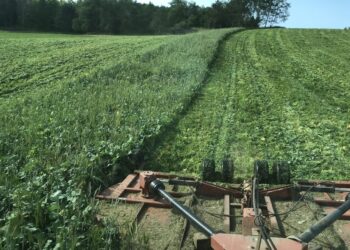
Tractor mowing down clover — Adding clover and other forage crops into the rotation will reduce costs and inputs.

Tractor mowing down clover — Adding clover and other forage crops into the rotation will reduce costs and inputs.

1
SHARES
457
VIEWS
Share on FacebookShare on Twitter

How to transition your farm to organic or regenerative

Gary Zimmer

Is your farm stuck in a rut? Have you been tweaking your farming system by changing planters, tillage systems, seed, fertilizers, maybe some biological amendments, but nothing seems to change? 

It may be time to think about transitioning to an organic or regenerative system. But what does that transition involve? How can you be sure of success?

In my more than 40 years of following farmers, educators, and researchers, I have come to the conclusion that we do know the basics of how to transition a farm to a biological system. There are lots of farms doing this; you don’t have to reinvent the wheel. Get the basics right, and all that tweaking won’t be needed unless you are trying to win a contest or have bragging rights.

Key 1: Time

The first thing about transition is short and simple: you need to give it time. Three to five years is not unrealistic. You will like where you’re going, but you need time to get there. Make sure you know all that will happen, and take advantage of it.

Key 2: More Plants Growing
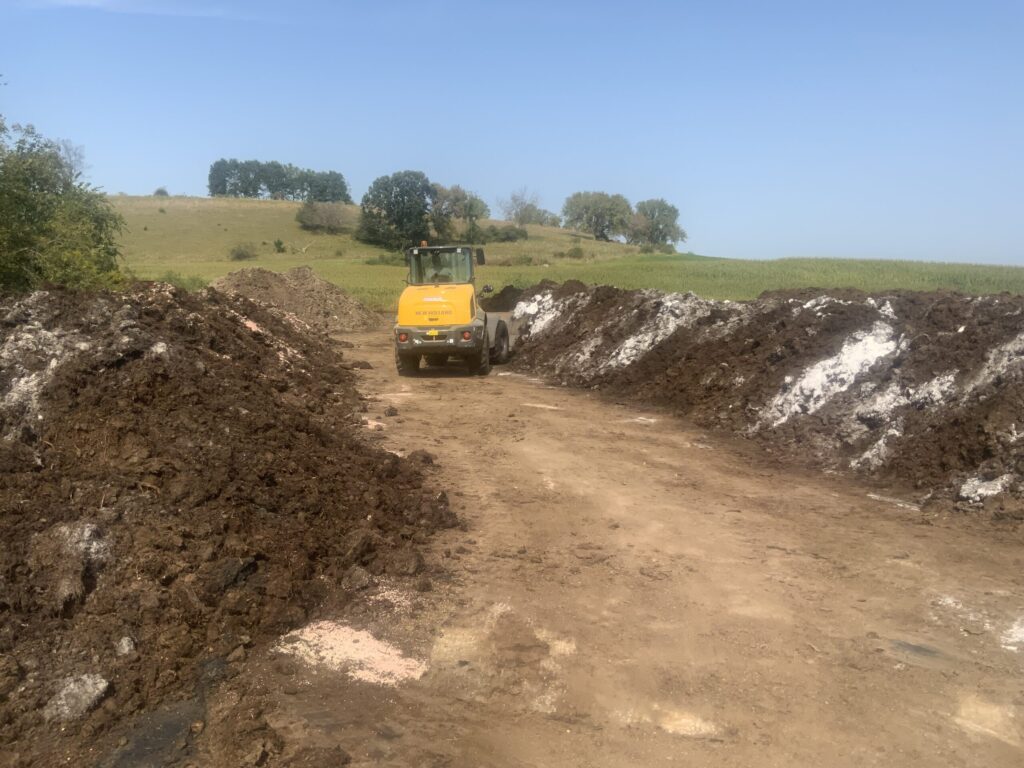
Compost piles — Compost is a great way to add organic matter and nutrients to soil.

For a conventional farm, adding a third crop to the rotation if you’re just growing corn and beans is a gamechanger. You may not make any money on that third crop, but the system will with reduced costs and eliminating all the inputs. 

You can plant wheat after soybeans or rye and frost-seed clover in the spring, get the small grain harvest, and have the benefits of all that clover growing. That is how we farm — one year rye with frost-seeded clover and the second-year corn. We have been doing it for up to 10 years on some fields, and our soil fertility numbers, yield, resilience and soil health have skyrocketed. Our only inputs, besides some compost, are sulfur and boron; the clover and rye straw provide all the other nutrients we need. 

Key 3: Living Plants in the Soil
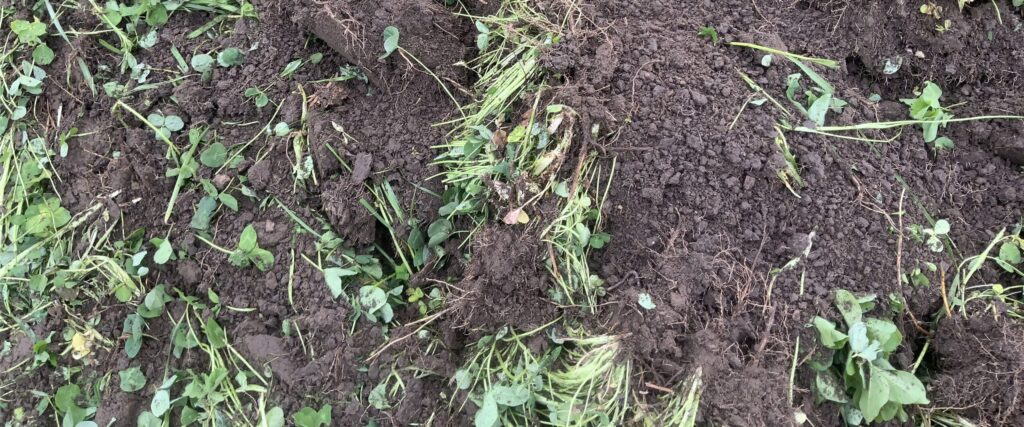
Soil structure — Keeping living plants in the soil year-round helps build good soil structure.

Filling a soil with roots is very important for improving soil structure and increasing biological activity. It’s best to have living plants in the soil as much as possible all year round.

I did meetings across Minnesota a year ago and heard a presentation by a farmer who grew corn and beans, with rye after each crop. To make this happen, he planted corn and bean varieties with a shorter day length so he could get them harvested in early October and get the rye planted. In late April, he was ready to plant in the rye when it was six to eight inches tall. He would plant the beans first, then corn. 

He was no-till but scratched the surface with a vertical tillage machine to get the rye planted after corn/bean harvest. He had been a dairy farmer, so his soils were in fairly good shape because of the manure use and forages in rotation. He has been doing this for a while, and his weed control was good. He had no need for all the inputs and technology, nitrogen was greatly reduced, and his yields were good. 

Key 4: Good Mineral Management
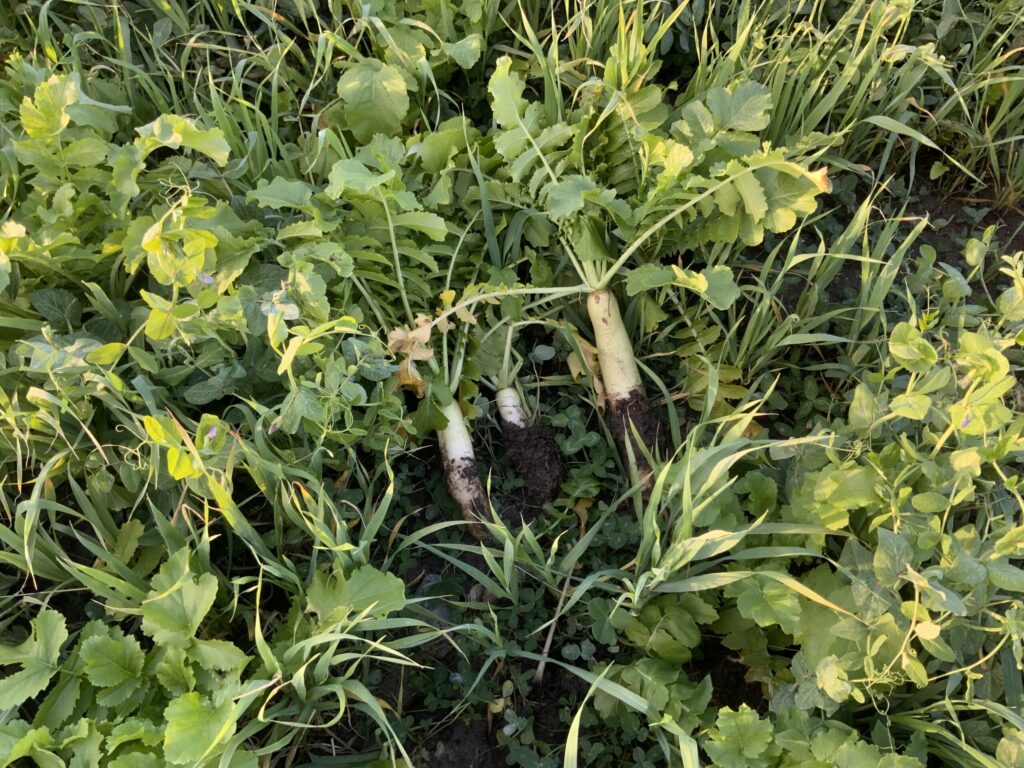
Cover crop cocktail — A good cocktail mix of cover crops can include legumes, grasses, and forbs like forage radish.

The first step to good mineral management is to realize that there is a lot more to soil fertility than just adding NPK. Soil fertility involves making soil minerals available to plants by working with the carbon biological cycle and soil life.

To correct soil nutrient shortages, I prefer natural mined materials, manure and compost. Not all of the nutrients applied need to be soluble, but they do need to be exchangeable. Nutrients in plants, compost, soil life or humates are in slow-release form, held for future use.

Calcium, sulfur and trace elements have a lot to do with plant and soil health and are certainly essential. Foliar feeding some trace elements can get you a response, but it’s not going to fix the soil. 

Soil tests do not tell you if nutrients are plant available. They do not tell you what the structure of the soil is, so it takes further digging than just the test, but you do need to start with the test. Soil testing only needs to be done every three to five years, because soils change slowly.

Key 5: Tillage with a Purpose
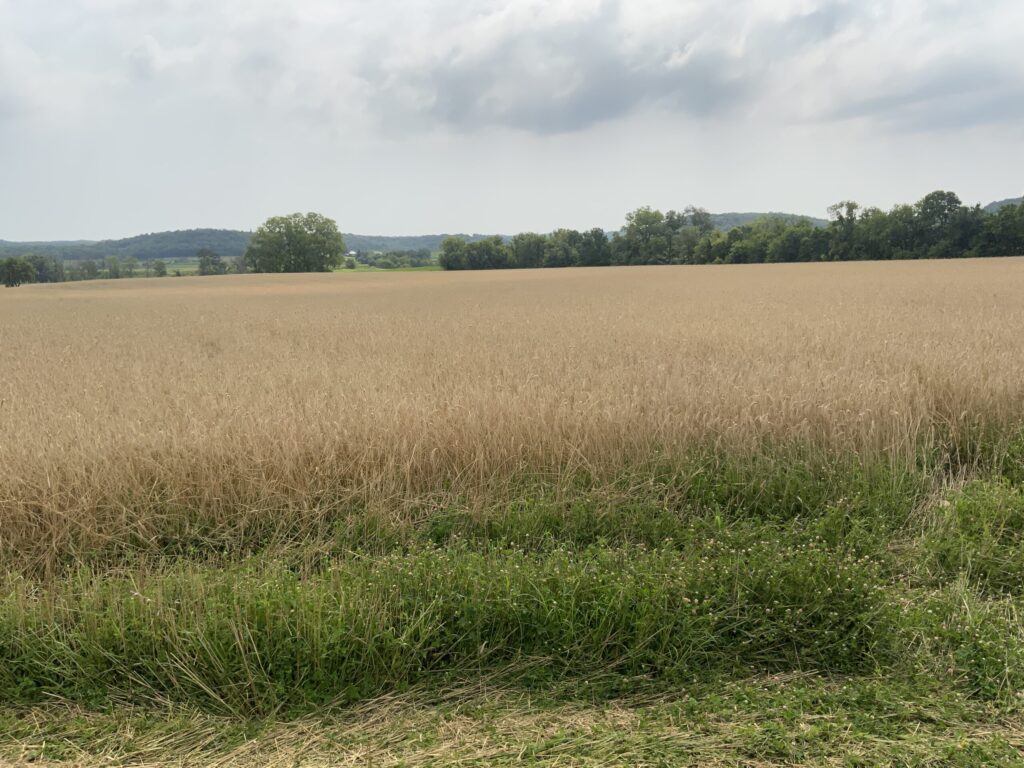
Rye underseeded with clover — You can plant wheat after soybeans or rye and frost-seed clover in the spring, get a small grain harvest, and have the benefits of all that clover growing.

Soil life also needs minimal disturbance. You can’t plow or disk every year, but by properly managing tillage, the farmer helps control soil aeration, water, crop residue decay and photosynthesis. Common tillage-related problems include compaction, crusted soil, and nutrient stratification. 

If you have not been disturbing the soil but have minimal biological activity, a lot of your nutrients will be in the top few inches. I am a real believer in incorporating residue with shallow tillage, which feeds soil life and breaks up surface crusting. Don’t till the ground completely bare unless it’s absolutely essential, such as in a garden. 

I also like to do deep ripping to break up compaction if necessary, using an in-line ripper. Ideally, roots in the soil and soil life should be able to reduce compaction. You shouldn’t have to rip all the time.

Key 6: Reducing Negative Inputs
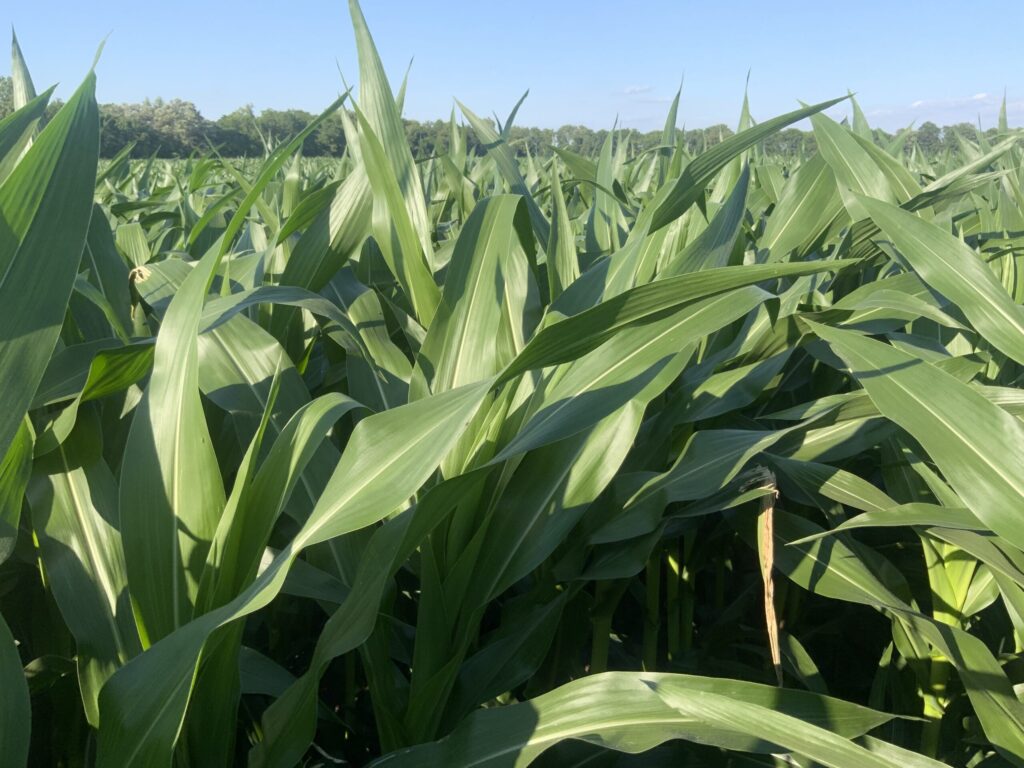
Organic corn — Our organic corn certainly looks good this year.

The difficulty most farms have is knowing when to reduce unnecessary inputs like insecticides, fungicides, biotechnology and nitrogen. They keep trying new things that add cost, but they very seldom take things away. 

Starting with a soil test and knowing the history of the fields is essential. Most farms have been applying enough NPK and certainly have a reserve. It may not be on a soil test, but it is out there to be tapped into. Changing to a biological-regenerative system will certainly require new thinking, and you need to drop the unneeded inputs slowly.

Soil Health Comes First
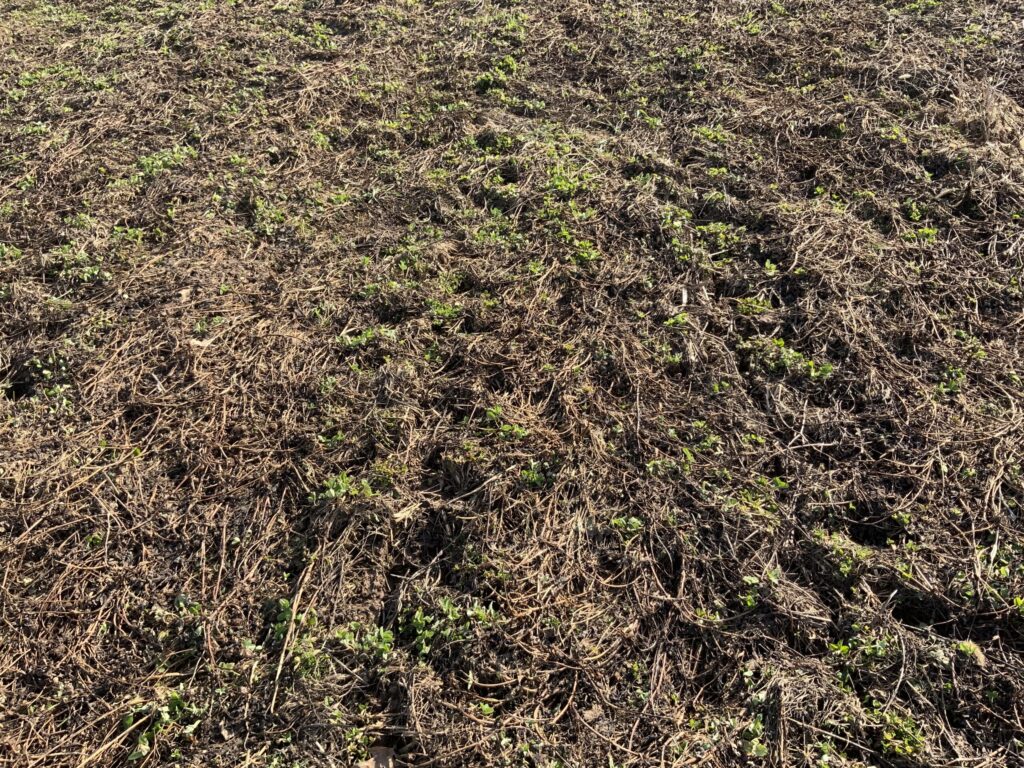
A soil blanket — Keep the soil covered as much as possible with crop residues and living plants.

Years ago, when the organic dairy movement was starting, one of our customers wanted to transition to organic and asked me what it would take. They already had a good fertility program; their alfalfa looked great. They were running a tight rotation, with two to three years in forages, one year in corn, and maybe one year in beans. They weren’t purchasing nitrogen and already weren’t using herbicides or antibiotics. They had already earned the right to go organic. 

I told him that all that was necessary was to switch their fertilizers, and 36 months later they would be organic, and they wouldn’t even know what happened. So, the message is: get the livestock healthy and the soil healthy and mineral-rich first, then go organic or regenerative. The objective is to grow healthy crops. 

I can honestly say that in the 35 years I’ve been organic, I have never had an economic loss to a disease or insect on our farm. This year, with all the rain and fungal diseases, our corn certainly looks good. 

You just have to believe this is achievable — then take your land as far as possible.

← Previous The Real Objective of Food Production Next DI-Why Homemade Mineral Mixes? →
Tags: Biological nutrient managementInput reductionOrganic transitionReduced tillage
Gary Zimmer

Gary Zimmer

Gary Zimmer is a longtime Wisconsin farmer, founder of Midwestern BioAg, and author of The Biological Farmer and Advancing Biological Farming, published by Acres U.S.A.

Next Post
We Don’t Need Another Bridge — We Need an Off-Ramp

We Don’t Need Another Bridge — We Need an Off-Ramp

  • Trending
  • Comments
  • Latest
The Most Important Livestock in Our Fields

The Most Important Livestock in Our Fields

July 1, 2024
Glyphosate Does What It’s Designed to Do — Kill

Glyphosate Does What It’s Designed to Do — Kill

February 19, 2025
USDA organic seal over American farm land

Losing Organic Farms

January 27, 2026
The Take-Half, Leave-Half Fallacy

The Take-Half, Leave-Half Fallacy

July 1, 2025
We Don’t Need Another Bridge — We Need an Off-Ramp

We Don’t Need Another Bridge — We Need an Off-Ramp

3
Under One Roof

Under One Roof

3
A Rose By Any Other Name

A Rose By Any Other Name

2
Terra Preta’s Biological Advantage

Terra Preta’s Biological Advantage

2
What Are Lactating Steers Trying to Tell Us?

What Are Lactating Steers Trying to Tell Us?

September 3, 2026
Remembering Wendell Berry

Remembering Wendell Berry

September 2, 2026
Manure spreader

ECO-GRAPHIC

September 1, 2026
ECO-MEETINGS

ECO-MEETINGS

September 1, 2026

Recent News

What Are Lactating Steers Trying to Tell Us?

What Are Lactating Steers Trying to Tell Us?

September 3, 2026
Remembering Wendell Berry

Remembering Wendell Berry

September 2, 2026
Manure spreader

ECO-GRAPHIC

September 1, 2026
ECO-MEETINGS

ECO-MEETINGS

September 1, 2026

About ACRES USA

Acres U.S.A.® Magazine

Acres U.S.A.® is North America’s oldest publisher on production-scale organic and regenerative farming. For more than 50 years, our mission has been to help farmers, ranchers and market gardeners grow food profitably and sustainably, with nature in mind.

Magazine Issues

  • News
  • 2025
    • June 2025
    • May 2025
    • April 2025
    • March 2025
    • February 2025
    • January 2025
  • 2024 Articles
    • December 2024
    • November 2024
    • October 2024
    • September 2024
    • August 2024
    • July 2024
    • June 2024
    • May 2024
    • April 2024
    • March 2024
    • February 2024
    • January 2024
  • December 2023
    • December 2023
    • November 2023
    • October 2023
    • August 2023
    • July 2023
    • June 2023
    • May 2023
    • April 2023
    • March 2023
    • February 2023
    • January 2023
  • December 2022
    • November 2022
    • October 2022
    • September 2022
    • August 2022
    • July 2022
    • June 2022
    • May 2022
    • April 2022
    • March 2022

Contact Acres U.S.A

  • Contact Us
  • About Us
  • Advertise With Acres U.S.A.
  • My Subscription

Learn

  • Resources
  • Events
  • Magazine
  • Newsletters
  • Free Articles
  • Webinars
  • Online Courses
  • Bookstore

Our All Socials

Follow With Us...

  • My account
  • News
  • Ecological farming
  • Refund and Returns Policy
  • Privacy & Policy

© 2024 Acers USA Magazine

Welcome Back!

Login to your account below

Forgotten Password? Sign Up

Create New Account!

Fill the forms below to register

All fields are required. Log In

Retrieve your password

Please enter your username or email address to reset your password.

Log In
No Result
View All Result
  • HOME
  • ARTICLES
    • News
    • Farm
    • Ecological farming
    • Livestock
    • Crop
      • Crop management practices
      • Cover crops
      • Crop nutrition
      • Crop protection
      • Crops
      • Ag technology
    • Soil
    • Opinion
  • RESOURCES
    • Magazine
    • Online Learning
    • Newsletters
    • Blog
    • Free Articles
  • MAGAZINE ISSUES
    • 2026
      • June 2026
      • May 2026
      • April 2026
      • March 2026
      • February 2026
      • January 2026
    • 2025
      • December 2025
      • November 2025
      • October 2025
      • September 2025
      • August 2025
      • July 2025
      • June 2025
      • May 2025
      • April 2025
      • March 2025
      • February 2025
      • January 2025
    • 2024
      • December 2024
      • November 2024
      • October 2024
      • September 2024
      • August 2024
      • July 2024
      • June 2024
      • May 2024
      • April 2024
      • March 2024
      • February 2024
      • January 2024
    • 2023
      • December 2023
      • November 2023
      • October 2023
      • August 2023
      • July 2023
      • June 2023
      • May 2023
      • April 2023
      • March 2023
      • February 2023
      • January 2023
  • ABOUT US
    • Our History
    • Our Staff
    • Contact Us
    • Community
      • Soil Health Primer Resources
  • EVENTS
    • Eco-Ag Conference
    • Farm Weird
  • SUBSCRIBE
  • Login
  • Sign Up
  • Cart

© 2024 Acers USA Magazine

Lost Password?