Acres U.S.A.® Magazine
  • Articles
    • News
    • Ecological farming
      • Climate
      • Environmental Issues
      • Farm management & planning
      • Human health
    • Livestock
    • Farm
    • Crop
      • Crop management practices
        • Ag technology
        • Cover crops
        • Crop nutrition
          • Crop protection
          • Diseases
        • Crops
        • Fruits
    • Soil
    • Opinion
  • Resources
    • Magazine
    • Online Learning
    • Newsletters
    • Free Articles
    • Blog
  • Magazine Issues
    • 2026
      • February 2026
      • January 2026
    • 2025
      • December 2025
      • November 2025
      • October 2025
      • September 2025
      • August 2025
      • July 2025
      • June 2025
      • May 2025
      • April 2025
      • March 2025
      • February 2025
      • January 2025
    • 2024
      • December 2024
      • November 2024
      • October 2024
      • September 2024
      • August 2024
      • July 2024
      • June 2024
      • May 2024
      • April 2024
      • March 2024
      • February 2024
      • January 2024
    • 2023
      • December 2023
      • November 2023
      • October 2023
      • August 2023
      • July 2023
      • June 2023
      • May 2023
      • April 2023
      • March 2023
      • February 2023
      • January 2023
    • 2022
      • December 2022
      • November 2022
      • October 2022
      • September 2022
      • August 2022
      • July 2022
      • June 2022
      • May 2022
      • April 2022
      • March 2022
      • February 2022
  • About Us
    • Our History
    • Our Staff
    • Contact Us
    • Community
      • Soil Health Primer Resources
  • Events
    • Eco-Ag Conference
    • Farm Weird Event
    • Viroqua On Farm Event
  • Subscribe
  • Login
  • Register
No Result
View All Result
  • Articles
    • News
    • Ecological farming
      • Climate
      • Environmental Issues
      • Farm management & planning
      • Human health
    • Livestock
    • Farm
    • Crop
      • Crop management practices
        • Ag technology
        • Cover crops
        • Crop nutrition
          • Crop protection
          • Diseases
        • Crops
        • Fruits
    • Soil
    • Opinion
  • Resources
    • Magazine
    • Online Learning
    • Newsletters
    • Free Articles
    • Blog
  • Magazine Issues
    • 2026
      • February 2026
      • January 2026
    • 2025
      • December 2025
      • November 2025
      • October 2025
      • September 2025
      • August 2025
      • July 2025
      • June 2025
      • May 2025
      • April 2025
      • March 2025
      • February 2025
      • January 2025
    • 2024
      • December 2024
      • November 2024
      • October 2024
      • September 2024
      • August 2024
      • July 2024
      • June 2024
      • May 2024
      • April 2024
      • March 2024
      • February 2024
      • January 2024
    • 2023
      • December 2023
      • November 2023
      • October 2023
      • August 2023
      • July 2023
      • June 2023
      • May 2023
      • April 2023
      • March 2023
      • February 2023
      • January 2023
    • 2022
      • December 2022
      • November 2022
      • October 2022
      • September 2022
      • August 2022
      • July 2022
      • June 2022
      • May 2022
      • April 2022
      • March 2022
      • February 2022
  • About Us
    • Our History
    • Our Staff
    • Contact Us
    • Community
      • Soil Health Primer Resources
  • Events
    • Eco-Ag Conference
    • Farm Weird Event
    • Viroqua On Farm Event
  • Subscribe
No Result
View All Result
Acres U.S.A.® Magazine
No Result
View All Result
Home Ecological farming Farm management & planning

Branding the Harvest

Kirsten Simmons by Kirsten Simmons
April 30, 2024
in Farm management & planning, May 2024
0
Branding the Harvest
0
SHARES
31
VIEWS
Share on FacebookShare on Twitter

Why Every Farm Needs a Signature Style

Kirsten Simmons

Regardless of whether you sell to the local grain silo, into wholesale markets or straight to consumer, your farm has a brand. And the more buyers recognize your farm’s brand (and have a positive impression of it!), the more you’ll be able to control the narrative and set the prices you need for your farm to succeed. People buy stories as much as they buy value, and having a brand kit helps to make sure that the story people get about your farm is positive, professional and cohesive.

Now, I know what you’re thinking — Joe down at the mill doesn’t give a rip about my farm’s brand; he’s going to give me my price, I’ll complain about it, and my crops will be combined with the other farms in the area to move into the commodity market. And to some extent, this is correct. Your farm’s reputation may make Joe more inclined to give you an extra cent on the bushel, but it’s not going to get you much more than that. (Unless your reputation is that you grow substandard crops — then your reputation may make Joe more likely to refuse to buy from you!) But as soon as you want to step beyond selling straight into the commodity markets, your brand becomes much more valuable.

As I mentioned in the last article, this year we’re going to be following Love is Love Cooperative Farm in Mansfield, Georgia, through all aspects of their business. We’re starting with their marketing, which starts with their brand kit.

What Goes into a Brand Kit?

Fonts: The fonts in your brand kit are the backbone of your visual identity. They should be as clear and reliable as a well-maintained piece of farm equipment — communicating your message without unnecessary fuss while resonating with your farm’s character. And your farm’s character can also be a reflection of you. At my farm, I’ve borrowed from a tattoo on my wrist to make the farm an extension of myself. The typewriter font of my tattoo is also used in my farm’s signage. Only one out of 50 folks notice my tattoo and realize the significance, but for those that do, it makes the connection all the more potent.
Colors: The palette you select will color the way the world sees your farm. Think through how different colors make you feel, and then select a few that fit what you want people to feel when they think about your farm. Having three to five colors to choose from will help your farm’s branding, which stems from your logo to your website. 

Logos: This is the hardest part. Your logo is a visual representation of your farm, and it needs to somehow support the impressions you give with your font choices and colors. A logo represents your farm’s identity, history and quality. Think of a logo like a handshake — you can get an impression of someone from whether they shake your hand firmly, whether there’s an even interplay of pressure between your hands, and how long they hold on. 

Beyond that, you want your logo to make a lasting impression. Ever been to a packed farmers market and spotted a familiar logo among the others? That recognition isn’t just a coincidence — it’s the power of branding! You feel a sense of trust and are drawn to the reliability and quality associated with that logo. 

An ideal logo conveys more information than first meets the eye. The logo for Good Agriculture, for example, includes a circle for continuity, leaves that hint at plants arranged along a curve that is reminiscent of a rolling hill or an amber wave of grain. It also incorporates the G and A from our name.

The fonts, colors and logo should be in every brand kit, but if you’re selling direct to consumers, you should include these next two as well.
Templates: Templates are the framework that keeps your brand’s image cohesive across all formats. They allow your farm to communicate its messages, values and products with clarity and consistency across all digital platforms and print material on your farm. From your business cards to your product labels, these standardized branding elements ensure every point of contact with your audience is consistent and reflective of your farm’s brand.

Voice: Your voice is the narrative thread that ties all your branding efforts together. Just as the landscape of a farm changes with the seasons, and your voice might adapt in tone depending on the context, its core should always be authentic, engaging and reflective of your values and mission. This means that everything you put into the world should be filtered through the lens of the brand — both the media you produce to promote your farm and what you create yourself.

Developing a Brand Kit: Love is Love Cooperative Farm Example

Now that we’ve talked about what goes into a brand kit, let’s talk through an example with Love is Love Cooperative Farm. As we covered in the last article, LIL is a worker-owned cooperative in Mansfield, Georgia, with three main enterprises: mixed vegetables sold wholesale and direct to consumer, cut flowers sold direct to consumer, and seedlings sold direct to consumer and wholesale to other farmers.

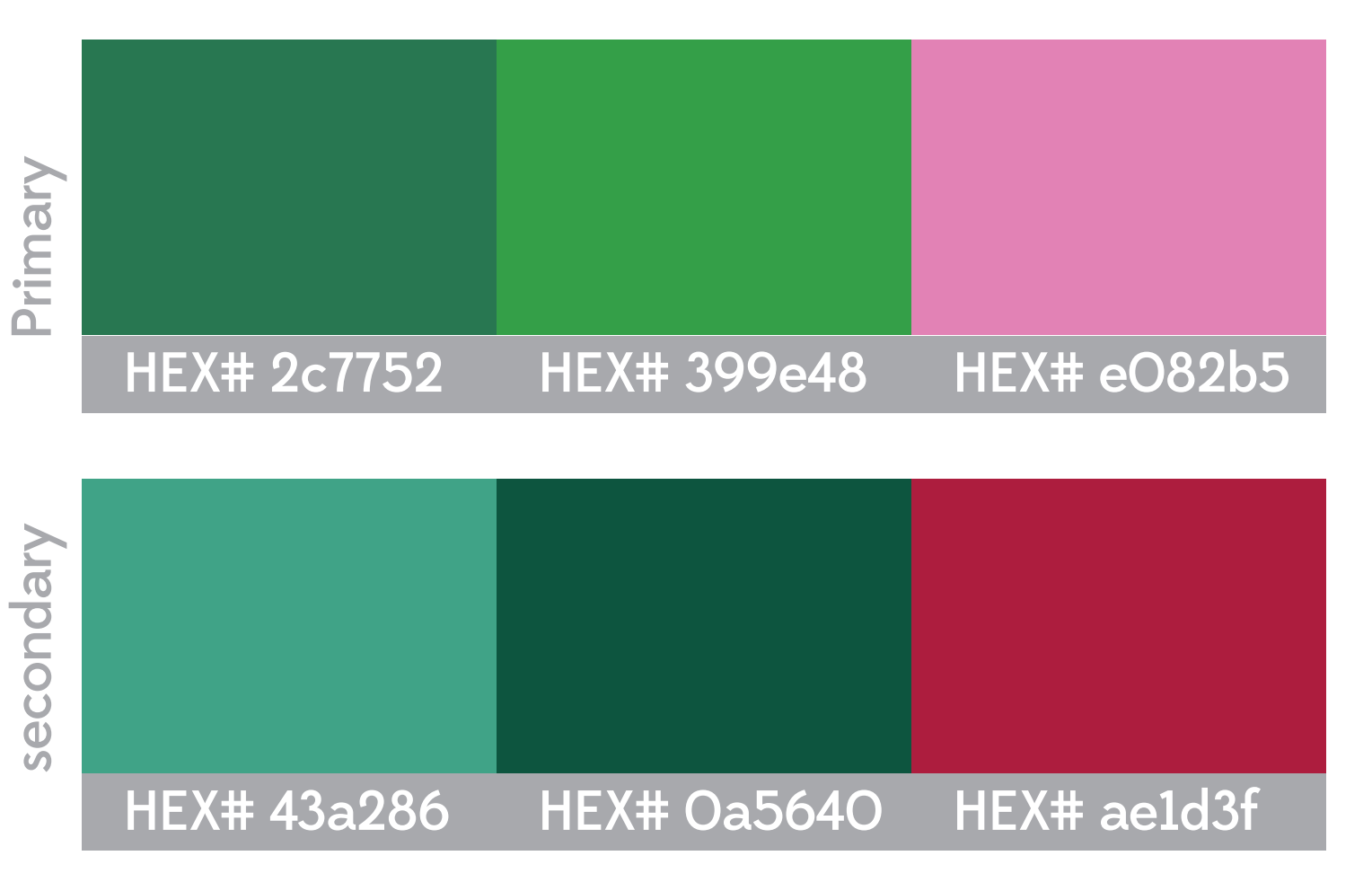
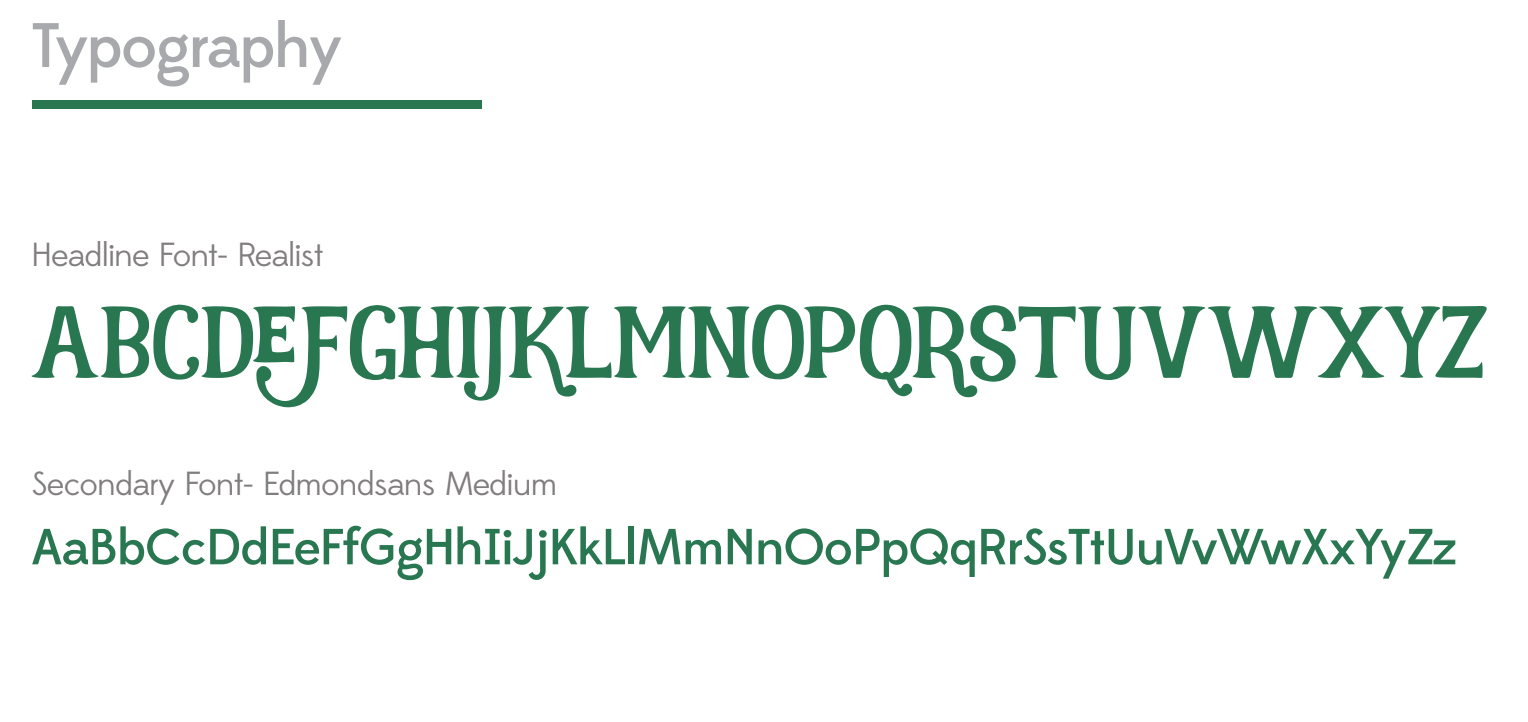
LIL came to us with a brand kit that included fonts, logos and colors.
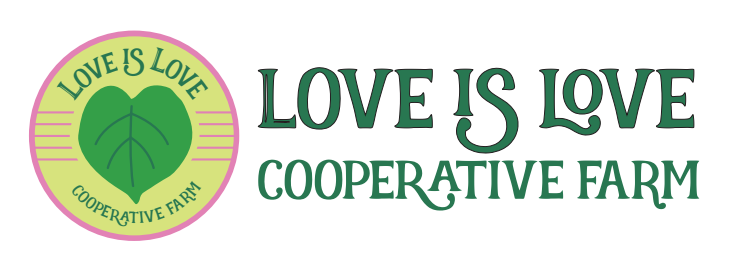
As you look at their brand kit, what impression of the company do you get? The pink and green combination should give a playful feel, with the green also suggesting growth, health and life. The fonts they’ve chosen also reinforce the sense of playfulness, as well as adding an understated deliberate quality to the mix. The edges are sharp and reminiscent of the sort of calligraphy that takes a steady hand to produce.

Since LIL already has the essentials of a brand kit, we’re working with them on building out templates and defining their voice. We’re also exploring how the farm’s different enterprises benefit from slightly different branding approaches. Below is an example of how two posts about their seedling sale can speak to different customers. The first is aimed at the home gardener — note that all the individual pots are labeled, and the folks in the picture (Joe and Monica) are laughing. This ties back to the playfulness of the brand and the joy they get from growing food, which they want to pass on to their customers.


The second image is more plant focused. Notice that each flat is labeled, rather than each individual plant. The people aren’t in the picture, and they don’t need to be — the customer here is their fellow farmer, and they care about being able to buy a much larger number of seedlings, as well as having those seedlings be consistent across the flats purchased.
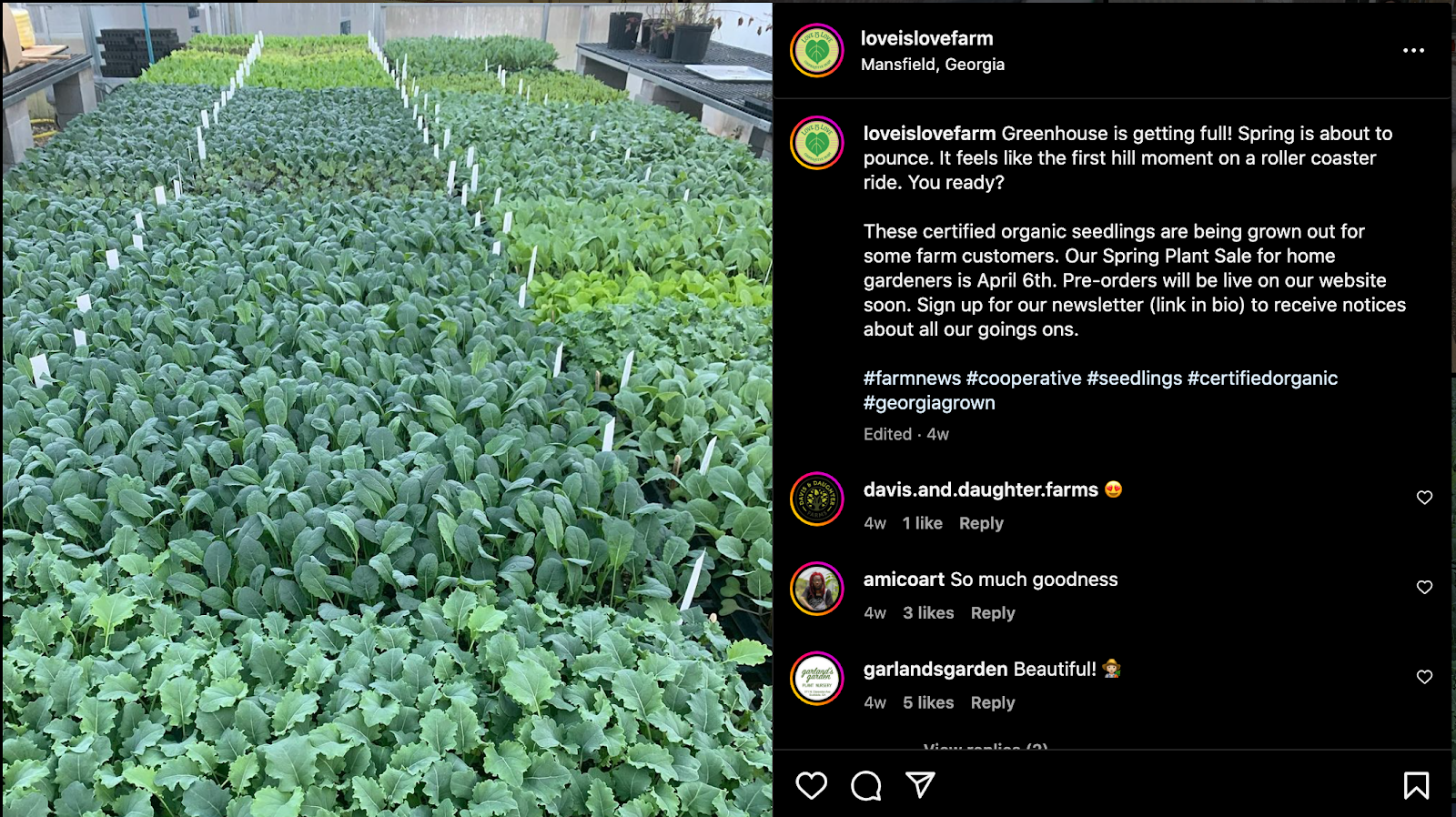

These posts also show their brand’s voice — down to earth, professional, but not too concerned about the occasional grammar error. Salt of the earth.

This may feel obvious to us as farmers, but anyone who isn’t growing seedlings isn’t going to take the time to understand what’s obvious for us as farmers. And that’s the purpose of a brand kit, or really any documentation that guides others through the steps we take every day as farm business owners. We can’t do everything ourselves, so we have to figure out ways to spread the load. Brand kits set the stage for you to get effective help from others, which frees you to put your attention elsewhere on the farm.

Next month, we’ll walk through the process of creating your own brand kit and provide some resources for finding fonts, creating a logo and selecting colors.

Kirsten Simmons is the co-founder and Chief Farming Officer for Good Agriculture (goodagriculture.com), a company dedicated to helping farmers find funding, manage finances, reach new customers and get certified. She also farms at Ecosystem Farm in Atlanta (ecosystemfarm.com). 

← Previous Irrigation Water Quality and Long-term Soil Health Next A Better Floor Model →
Tags: brandingmarketing
Kirsten Simmons

Kirsten Simmons

Kirsten Simmons is the co-founder and Chief Farming Officer for Good Agriculture (goodagriculture.com), a company dedicated to helping farmers find funding, manage finances, reach new customers and get certified. She also farms at Ecosystem Farm (ecosystemfarm.com), the only u-pick strawberry farm inside Atlanta.

Next Post
View from the Country

View from the Country

  • Trending
  • Comments
  • Latest
The Most Important Livestock in Our Fields

The Most Important Livestock in Our Fields

July 1, 2024
Glyphosate Does What It’s Designed to Do — Kill

Glyphosate Does What It’s Designed to Do — Kill

February 19, 2025
The Take-Half, Leave-Half Fallacy

The Take-Half, Leave-Half Fallacy

July 1, 2025
White snakeroot

Toxic Forages?

September 1, 2025
We Don’t Need Another Bridge — We Need an Off-Ramp

We Don’t Need Another Bridge — We Need an Off-Ramp

3
Under One Roof

Under One Roof

3
A Rose By Any Other Name

A Rose By Any Other Name

2
Terra Preta’s Biological Advantage

Terra Preta’s Biological Advantage

2
Don’t You Dare Disparage Sugar!

Don’t You Dare Disparage Sugar!

February 3, 2026
February 2026 • Issue #656

February 2026 • Issue #656

February 1, 2026
Fungal Exchange Capacity

Fungal Exchange Capacity

February 1, 2026
ECO-MEETINGS

ECO-MEETINGS

February 1, 2026

Recent News

Don’t You Dare Disparage Sugar!

Don’t You Dare Disparage Sugar!

February 3, 2026
February 2026 • Issue #656

February 2026 • Issue #656

February 1, 2026
Fungal Exchange Capacity

Fungal Exchange Capacity

February 1, 2026
ECO-MEETINGS

ECO-MEETINGS

February 1, 2026

About ACRES USA

Acres U.S.A.® Magazine

Acres U.S.A.® is North America’s oldest publisher on production-scale organic and regenerative farming. For more than 50 years, our mission has been to help farmers, ranchers and market gardeners grow food profitably and sustainably, with nature in mind.

Visit Our Advertisers

Magazine Issues

  • News
  • 2025
    • June 2025
    • May 2025
    • April 2025
    • March 2025
    • February 2025
    • January 2025
  • 2024 Articles
    • December 2024
    • November 2024
    • October 2024
    • September 2024
    • August 2024
    • July 2024
    • June 2024
    • May 2024
    • April 2024
    • March 2024
    • February 2024
    • January 2024
  • December 2023
    • December 2023
    • November 2023
    • October 2023
    • August 2023
    • July 2023
    • June 2023
    • May 2023
    • April 2023
    • March 2023
    • February 2023
    • January 2023
  • December 2022
    • November 2022
    • October 2022
    • September 2022
    • August 2022
    • July 2022
    • June 2022
    • May 2022
    • April 2022
    • March 2022

Contact Acres U.S.A

  • Contact Us
  • About Us
  • Advertise With Acres U.S.A.
  • My Subscription

Learn

  • Resources
  • Events
  • Magazine
  • Newsletters
  • Free Articles
  • Webinars
  • Online Courses
  • Bookstore

Our All Socials

Follow With Us...

  • My account
  • News
  • Ecological farming
  • Refund and Returns Policy
  • Privacy & Policy

© 2024 Acers USA Magazine

Welcome Back!

Login to your account below

Forgotten Password? Sign Up

Create New Account!

Fill the forms below to register

All fields are required. Log In

Retrieve your password

Please enter your username or email address to reset your password.

Log In
No Result
View All Result
  • HOME
  • ARTICLES
    • News
    • Farm
    • Ecological farming
    • Livestock
    • Crop
      • Crop management practices
      • Cover crops
      • Crop nutrition
      • Crop protection
      • Crops
      • Ag technology
    • Soil
    • Opinion
  • RESOURCES
    • Magazine
    • Online Learning
    • Newsletters
    • Blog
    • Free Articles
  • MAGAZINE ISSUES
    • 2025
      • June 2025
      • May 2025
      • April 2025
      • March 2025
      • February 2025
      • January 2025
    • 2024
      • December 2024
      • November 2024
      • October 2024
      • September 2024
      • August 2024
      • July 2024
      • June 2024
      • May 2024
      • April 2024
      • March 2024
      • February 2024
      • January 2024
    • 2023
      • December 2023
      • November 2023
      • October 2023
      • August 2023
      • July 2023
      • June 2023
      • May 2023
      • April 2023
      • March 2023
      • February 2023
      • January 2023
  • ABOUT US
    • Our History
    • Our Staff
    • Contact Us
    • Community
      • Soil Health Primer Resources
  • EVENTS
    • Eco-Ag Conference
    • On-Farm Viroqua Event
    • Farm Weird
  • SUBSCRIBE
  • Login
  • Sign Up
  • Cart

© 2024 Acers USA Magazine

Are you sure want to unlock this post?
Unlock left : 0
Are you sure want to cancel subscription?