
Michigan — and other states — could reduce crop damage, feed local communities, and protect drivers by building a safe, legal market for wild-harvested venison.
The United States has imported more than 5 million pounds of venison from New Zealand every year since 2020. This farm-raised, grassfed meat goes for $16 per pound through the Force of Nature brand, and business is booming. At the same time, we have deer running unchecked, food insecurity on the rise, and farmers losing money due to wildlife damage.
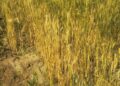
Where I live in southern Michigan, deer aren’t just a nuisance — they’re a major problem and one of the many obstacles to farm profitability. Herds of more than a hundred deer graze on crops in May and June when the sprouts are just starting to take off. The hordes move on to the next field, and the farmer is left with minimal time for damage control or second options.
And while farmers are feeding deer with their crops, the Natural Resources Commission is imposing stricter limits on harvesting the problem. Recently, it passed a one-buck rule mandating that each licensed hunter is only allowed to shoot one three-plus-point buck per year. Additionally, DNR has shortened the muzzleloader season to just three days and has prohibited any firearm deer hunting after January 1.
Keith Creagh, former director of the Michigan Department of Natural Resources, said that there are three zones in Michigan’s deer population. The UP is actually short on deer. The northern Lower Peninsula has the right amount, they suspect, and the southern part is inundated with them.
Michigan Farm News reported that the 300,000 deer harvested in 2024 are about half of what hunters bagged in the 1990s, and the number of hunters is down 25 percent to 600,000 compared to 25 years ago. Denese Belson of Pittsfield Township, the former chair of the Michigan Farm Bureau Policy Development Committee, estimates that deer destroy 20 percent of her crops some years. Regardless of the commodity market pricing, losing a fifth of your crop puts a significant amount of financial strain on the farmer. Defending farmers’ right to farm, Creagh said, “We’re not trying to get to a certain number of deer — we’re just trying to reduce the impact.”
The impact of deer goes beyond the field. Car accidents involving deer are on the rise. 2024 saw 58,324 traffic accidents involving deer in Michigan, nearly 3,000 more than 55,531. While many folks in suburban areas enjoy the picturesque scenery of deer grazing their lawn, they are a safety hazard. The current regulations aren’t working for Michigan. Herd sizes are exploding and a declining interest in hunting has left farmers with a problem.
Texas faced a similar issue recently with feral hogs. Labeled as an invasive species due to their destructive nature and lack of natural predators, wild boar has gone from pest to valuable protein. In order for the meat to be sold online and on retail shelves, wild boars are caught live using large traps. They are then transported to recognized slaughter and processing plants. Those who invest in trapping and transportation reap the benefit of selling wild pork, while reducing the damage to fields and pastures. Ground wild boar on the Beck & Bulow brand website sells for $13.99 per pound.
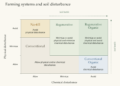
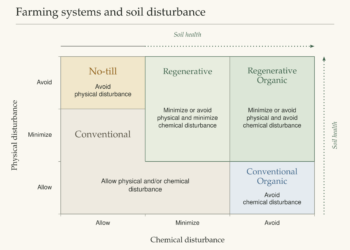
Michigan could take inspiration from Texas while addressing regenerative agriculture priorities at the state level. The Michigan Department of Agriculture and Rural Development is motivated to see more farmers practice regenerative techniques, and farmers want to get rid of the deer problem. The program might look like farmers enrolling acres in a regenerative system that would then trigger a partnership with a local, vetted hunter to specifically harvest antlerless deer on and around the farm.
Pennsylvania has a similar matching program for hunters and farmers. Borrowing language from its policy, if you depend on the farm for your primary income, you have an immediate legal right to defend your livelihood. In the Keystone State, regardless of the time of year, farmers can shoot deer and report the kill to the Pennsylvania Game Commission. Including regenerative practices as the leverage for farmers wanting reduced deer pressure would be unique.
After the deer is harvested, it would immediately be taken to the local processing facility. In the past, these facilities have received grants from the state of Michigan to process donated deer for food pantries. This has worked, but it’s only been proven through a handful of processors with a small number of deer. With the higher volume of deer coming through, processors could partner with nonprofits like Forgotten Harvest, which pay suppliers through philanthropic dollars so the cost of processing is covered.
Concerns around health and safety of serving wild game can be addressed through testing every single animal. Tests showed chronic wasting disease in just 6 of the 1,467 deer that were tested by the Department of Natural Resources in 2025. Bovine tuberculosis is another concern; it is more common with cattle, but the disease has been found in deer, elk, goats, and coyotes. Testing each animal would provide peace of mind and valuable data.
Product quality wouldn’t stop at food safety, either. Key metrics around the length of time between slaughter, processing, and aging the carcass are crucial to ensuring quality protein. One threshold issue is state law: Michigan currently prohibits the ordinary sale of hunter-harvested deer. Putting wild Michigan venison on grocery store shelves would require new legal authority and a regulated system for inspection, testing, traceability, processing and labeling.
Because these animals are wild-caught, the only costs are testing, processing, packaging, and transportation. Without the cost of raising the animal, venison would become one of the most accessible proteins. Carcass byproducts could be fuel for a biodigester and the resulting soil amendments distributed back to the fields.
To address the declining interest in hunting, I suggest partnerships with FFA, 4-H, gun clubs, and trap teams. There are many older hunters who are willing to mentor young hunters and pass on the skills they’ve learned in their lifetime. You’d be hard-pressed to find someone opposed to their kid spending more time outside with local qualified role models. This would bring more attention to the existing tournaments and would help develop ones that encourage responsible and respectable hunting. Grants could be developed for high schoolers headed to higher education or vocational training. Younger people need unstructured time and access to land; a program pairing them with a mentor and access to farmers’ land would yield an impact far greater than harvested does.
To get this policy passed, multiple stakeholders should be at the table. Car and health insurers would benefit from fewer accidents and could contribute some of the savings to hunting tournaments. Processing facilities could partner with hunters to plan for capacity and timelines, ensuring steady work throughout the year. There also needs to be representation from those in suburban and urban areas. Involving homeowners associations to get the program fully adopted means hearing their desire for the picturesque scenery of watching deer graze their lawn and meeting that with data concerning deer-related car accidents, unsafe driving conditions, and rising costs of protein.
What does the future look like if this succeeds? Venison would be harvested and processed locally and sold on regional grocery store shelves. Processors could private-label wild-caught deer, which are arguably more grassfed than the farm-raised New Zealand venison. There would be fewer devastating accidents involving inexperienced drivers and deer. Farmers could spend less time doing damage control and more time in value-added activities.
Michigan can keep passing the buck—or it can build a safe, legal system that puts local game on local tables.