• Home
  • Events

    Upcoming Events

    • Menoken Farm Field Day
    • Eco-Ag Conference
    • View all events →

    Recent Webinars

    • Kyle Richardville
    • David Montgomery
    • Gary Zimmer
    • Taylor Henry
    • Fernando Falomir
    • Megan Neubauer
    • David Knaus
    • View more webinar replays →
  • Bookstore

    Books by Category

    • Soil Health
    • Livestock & Animals
    • Gardening & Homesteading
    • Farm Business
    • Health & Food

    Books by Collection

    • New Releases
    • The Albrecht Volumes
    • Acres U.S.A. Published
    • Eco-Ag Speakers
    • Soil Health Educators

    Books by Level

    • Beginner
    • Intermediate
    • Advanced
    • Kids

    Featured

    • Explore Jon Stika's New Book →
  • Resources

    Continue Learning

    • White Papers
    • Online Courses

    Where to Find Us

    • Acres U.S.A. Podcast
    • YouTube Channel
    Facebook Instagram X-twitter Linkedin
    • Join our Newsletter →
  • Articles

    Articles by Topic

    • News
    • Ecological Farming
    • Livestock
    • Soil Health
    • Opinion

    Articles on Crops

    • Cover Crops
    • Crop Nutrition
    • Disease & Pests
    • Fruits & Nuts
    • Ag Technology

    Magazine Issues

    2026
    • January
    • February
    • March
    • April
    • May
    • June
    • July
    • August
    2025
    • January
    • February
    • March
    • April
    • May
    • June
    • July
    • August
    • September
    • October
    • November
    • December
    2024
    • January
    • February
    • March
    • April
    • May
    • June
    • July
    • August
    • September
    • October
    • November
    • December
    • Explore the archives →
    • Subscribe to the magazine →
  • About

    About Us

    • About Acres U.S.A.
    • Meet Our Team
    • Our History
    • Eco-Ag Achievement Award

    Contact Us

    • 970-392-4464
    • support@acresusa.com

    Acres U.S.A. LLC
    PO Box 351
    Viroqua, WI 54665

    • A New Era of Eco-Ag →
Subscribe
HOME
Events
  • Upcoming Events
  • Menoken Farm Field Day
  • Eco-Ag Conference
View all events
  • Webinars
  • Kyle Richardville
  • David Montgomery
  • Gary Zimmer
  • Taylor Henry
  • Fernando Falomir
  • Megan Neubauer
  • David Knaus
Bookstore
  • Books by Category
  • Soil Health
  • Livestock & Animals
  • Gardening & Homesteading
  • Farm Business
  • Health & Food
  • Books by Collection
  • New Releases
  • The Albrecht Volumes
  • Acres U.S.A. Published
  • Eco-Ag Speakers
  • Soil Health Educators
  • Books by Level
  • Beginner
  • Intermediate
  • Advanced
  • Kids
Resources
  • Continue Learning
  • White Papers
  • Online Courses
  • Where to Find Us
  • Acres U.S.A. Podcast
  • YouTube Channel
Facebook Instagram X-twitter Linkedin
Join our Newsletter
Articles
  • Articles by Topic
  • News
  • Ecological Farming
  • Livestock
  • Soil Health
  • Opinion
  • Articles on Crops
  • Cover Crops
  • Crop Nutrition
  • Disease & Pests
  • Fruits & Nuts
  • Ag Technology
  • Magazine Issues
2026
  • January
  • February
  • March
  • April
  • May
  • June
  • July
  • August
2025
  • January
  • February
  • March
  • April
  • May
  • June
  • July
  • August
  • September
  • October
  • November
  • December
2024
  • January
  • February
  • March
  • April
  • May
  • June
  • July
  • August
  • September
  • October
  • November
  • December
Explore the archives
Subscribe to the magazine
About
  • About Acres U.S.A.
  • Meet Our Team
  • Our History
  • Eco-Ag Achievement Award
SUBSCRIBE

Re-rooting the Flower Farm

Emily Thompson by Emily Thompson
June 3, 2026
0
Home Magazine issues June 2026
0
SHARES
76
VIEWS
Share on FacebookShare on Twitter

Floramama: From Garden to Bouquet, Growing Flowers for Market by Chloé Roy

Review by Emily Thompson

There’s no shortage of books on flower farming. In recent years, the category has blossomed into a genre of its own — equal parts instruction manual and visual inspiration. Like many growers, I started with these resources, learning the mechanics of production through the polished systems of Erin Benzakein and the practical, field-tested methods of growers like Lisa Mason Ziegler.
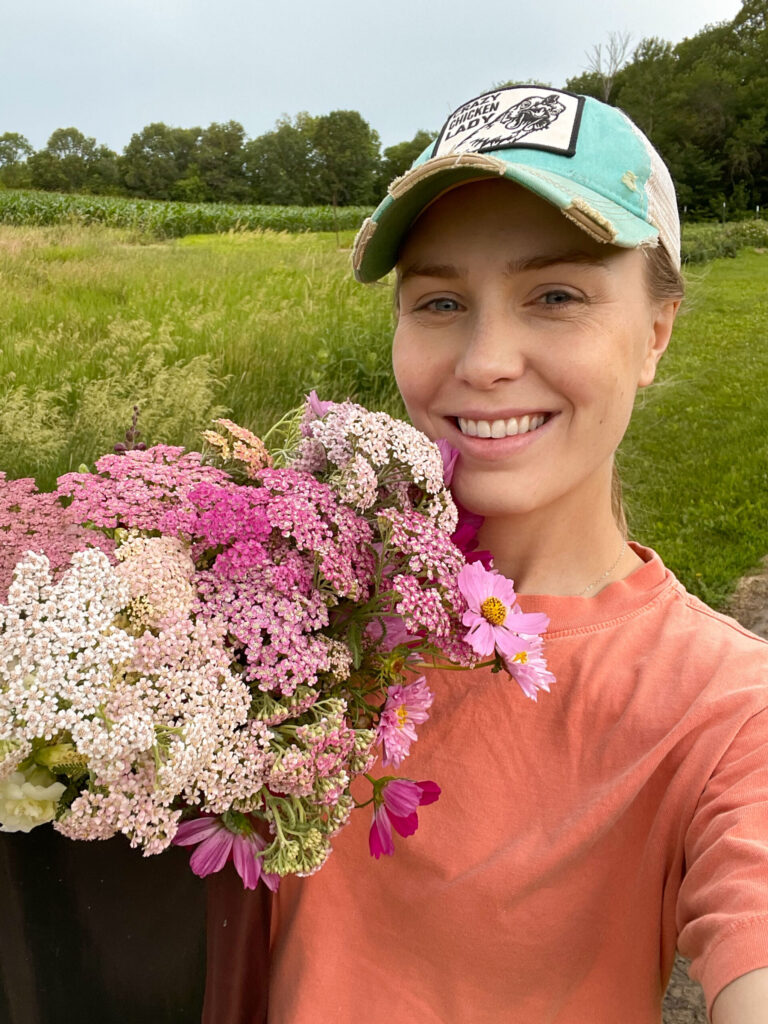
Floramama enters this landscape differently. At first glance, it offers what you might expect: crop planning, soil preparation, harvest techniques, bouquet construction, marketing channels, and imagery that captures the texture and beauty of life in the field. The table of contents reads like a comprehensive roadmap for building a cut flower operation, from “Set Your Financial Targets” to “Revenue & Profitability.” But once inside, it becomes something more layered than that.

It’s not just teaching you how to grow flowers; it’s asking you to reconsider why you grow them and how that choice shapes your life. Chloé Roy’s story begins not with flowers, but with a deep sensory connection to land. She reflects on childhood memories like tucking hay into a backpack to remind her of the countryside when she returns to the city. That detail stuck with me. It mirrors something I’ve felt in my own life — the pull back to land and the countryside that raised me. This sets the tone for a book that is grounded as much in feeling as it is in function.

Like myself and many flower farmers these days, Roy came to flower farming through self-education. She pieced together knowledge from a handful of early books and adapted it to a small-scale, ecological model. In that sense, I think countless first-generation farmers working without inherited systems or established infrastructure can truly relate to Roy’s story. There’s a scrappiness to it, but also an openness and an understanding that no single method holds all the answers.

Where many flower farming books emphasize optimization and efficiency, Roy introduces a different lens, one influenced heavily by the “Slow Flowers” movement. Rooted in the same philosophy as Slow Food, this approach calls for a return to local production, ecological awareness, and a deeper relationship between grower, product, and community. That idea resonates deeply with me — not just as a grower, but as someone who has had to wrestle with the tension between building a viable business and building a meaningful life.
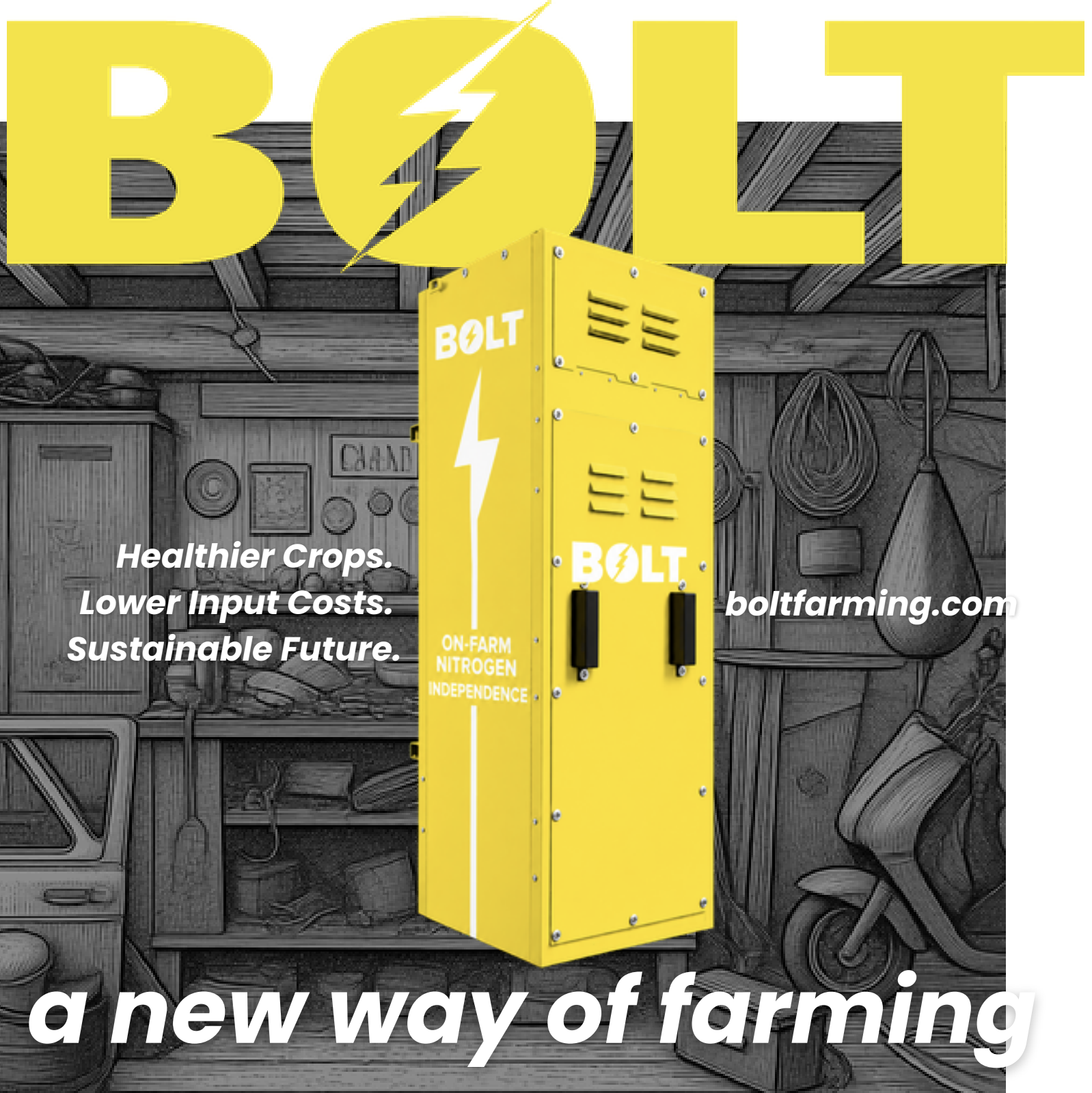
The truth is that flower farming has a way of pulling you in with the promise of a camera roll full of pretty pictures and visions of frolicking through fields of blooms, and then asking much more of you. And many of the systems we’re taught, while incredibly helpful, can feel like they’re constantly pushing toward more: more production, more efficiency, and more output.

Floramama does a great job of questioning that trajectory. Roy speaks candidly about risk, limited resources, and the uneven access to land and opportunity that defines agriculture today. She acknowledges that starting a farm is not a universal possibility, but one shaped by circumstance and privilege. Her honesty feels rare in a genre that often leans toward aspiration.

At the same time, the book remains highly practical. Roy walks through the core building blocks of a flower business with clarity: how to think about infrastructure, how to design a growing space, how to sequence crops, and how to balance different plant types — annuals for quick returns, perennials for long-term investment, and biennials to fill seasonal gaps. There is a clear awareness of cash flow and timing, particularly in her early reliance on annuals due to their low upfront cost and first-year yield.

In the early stages of building a small farm, decisions aren’t made in a vacuum. They’re shaped by what’s financially possible at the moment. Sometimes you don’t choose what’s ideal, but what allows you to get started or keep going. Roy’s framing of annuals as a survival strategy, rather than just a production choice, reflects a reality that many growers understand but don’t often see articulated.

For those thinking in terms of ecological profitability, Floramama stands out. Profitability isn’t all about scale or yield — it’s about timing, restraint, and sustainability in the long term. It’s about building a system that doesn’t extract more from the land or from yourself than it can give back.

And yet, even within the practical demands, there is a persistent return to the “why.” Roy describes flower farming as an “act of love,” a way to cultivate beauty, connection, and meaning within a community. While that language is a little romantic, it’s tempered by the realities that she openly shares. It reflects the realities that many have experienced first-hand: that growing flowers is about offering something meaningful in a world that often feels disconnected.

For those of us who started with little more than a patch of land and a shared vision, Floramama feels like a return to the foundation. It’s a reminder of why the work matters, the satisfaction in growing something from seed to bloom, and the relationship between land, labor, and life. It may not replace the technical manuals on your shelf, but it will change how you read them and, perhaps more importantly, how you apply them.

← Previous Surface Decomposition Next ECO-MEETINGS →
Tags: Flowers
Emily Thompson

Emily Thompson

Next Post
N efficiency chart (Please cover over “Panel A”) (National Agriculture Statistics Service; farmdoc estimates) — Average N applied per bushel, 2002–2024.

Fertilizer for Thought

  • Trending
  • Comments
  • Latest
The Most Important Livestock in Our Fields

The Most Important Livestock in Our Fields

July 1, 2024
Glyphosate Does What It’s Designed to Do — Kill

Glyphosate Does What It’s Designed to Do — Kill

February 19, 2025
USDA organic seal over American farm land

Losing Organic Farms

September 18, 2026
The Take-Half, Leave-Half Fallacy

The Take-Half, Leave-Half Fallacy

July 1, 2025
Author photo (Wikimedia)

A Food Emancipation Proclamation

3
We Don’t Need Another Bridge — We Need an Off-Ramp

We Don’t Need Another Bridge — We Need an Off-Ramp

3
Under One Roof

Under One Roof

3
A Rose By Any Other Name

A Rose By Any Other Name

2
Beyond Glyphosate

Beyond Glyphosate

September 30, 2026
You First

You First

September 22, 2026
Blaming the Wolves

Blaming the Wolves

September 18, 2026
Running Dry

Running Dry

September 18, 2026

Recent News

Beyond Glyphosate

Beyond Glyphosate

September 30, 2026
You First

You First

September 22, 2026
Blaming the Wolves

Blaming the Wolves

September 18, 2026
Running Dry

Running Dry

September 18, 2026

Don't miss an update!

Stay informed on what's new in the Acres U.S.A. community: new articles, upcoming events and resources for regenerative farmers.

Acres U.S.A. is North America’s oldest publisher on production-scale organic and regenerative farming. For more than 50 years, our mission has been to help farmers, ranchers and market gardeners grow food profitably, regeneratively, and with nature in mind.

Facebook Instagram X-twitter Youtube Linkedin Spotify

SHOP

  • Bookstore
  • Online Courses
  • Giftcards

ABOUT

  • About Acres U.S.A.
  • Our Team
  • Eco-Ag Acheivement

LEARN

  • Events
  • Magazine
  • Newsletter
  • Webinars
  • Free Articles
  • Online Courses

Contact Us

Acres U.S.A. LLC
PO Box 351
Viroqua, WI 54665​
info@acresusa.com
970-392-4464
  • Manage My Subscription
  • Advertise with Us
No Result
View All Result
  • HOME
  • ARTICLES
    • News
    • Farm
    • Ecological farming
    • Livestock
    • Crop
      • Crop management practices
      • Cover crops
      • Crop nutrition
      • Crop protection
      • Crops
      • Ag technology
    • Soil
    • Opinion
  • RESOURCES
    • Magazine
    • Online Learning
    • Newsletters
    • Blog
    • Free Articles
  • MAGAZINE ISSUES
    • 2026
      • June 2026
      • May 2026
      • April 2026
      • March 2026
      • February 2026
      • January 2026
    • 2025
      • December 2025
      • November 2025
      • October 2025
      • September 2025
      • August 2025
      • July 2025
      • June 2025
      • May 2025
      • April 2025
      • March 2025
      • February 2025
      • January 2025
    • 2024
      • December 2024
      • November 2024
      • October 2024
      • September 2024
      • August 2024
      • July 2024
      • June 2024
      • May 2024
      • April 2024
      • March 2024
      • February 2024
      • January 2024
    • 2023
      • December 2023
      • November 2023
      • October 2023
      • August 2023
      • July 2023
      • June 2023
      • May 2023
      • April 2023
      • March 2023
      • February 2023
      • January 2023
  • ABOUT US
    • Our History
    • Our Staff
    • Contact Us
    • Community
      • Soil Health Primer Resources
  • EVENTS
    • Eco-Ag Conference
    • Farm Weird
  • SUBSCRIBE
  • Login
  • Sign Up
  • Cart

© 2024 Acers USA Magazine

Lost Password?