

Glyphosate May Be Fueling Deadly Superbugs
Antimicrobial resistance (AMR) contributes to an estimated 1.1 million to 1.4 million deaths worldwide each year. While this growing threat is typically linked to the overuse and misuse of antibiotics, new research suggests another factor may also be playing a role: certain weedkillers. Scientists have found evidence that glyphosate, one of the world’s most widely used herbicides, may help select for bacteria that are resistant to multiple antibiotics.
“The most common species of multidrug-resistant bacteria from hospitals are not only resistant to multiple antibiotic classes, but also to high concentrations of the weedkiller glyphosate,” said Dr. Daniela Centrón, senior author of the study published in Frontiers in Microbiology. “These results suggest that weedkillers — which, unlike antibiotics, are widely applied in agricultural environments — may have the unintended side-effect of selecting for AMR among bacterial communities within the soil.”
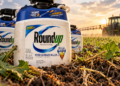
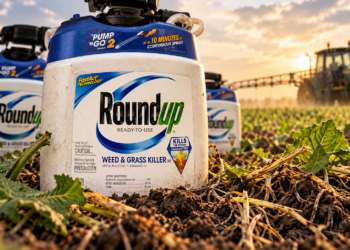
For decades, Roundup was closely associated with glyphosate, the herbicide first registered in the United States in 1974. Today, home-use Roundup products found in many hardware and garden stores have been reformulated without glyphosate and may contain ingredients such as triclopyr, fluazifop, and diquat. But glyphosate remains in professional and agricultural Roundup products used in farming, landscaping, and other commercial settings.
To investigate the connection, Centrón and her colleagues analyzed 68 bacterial strains collected in 2018 and 2020 from sediment in a protected nature reserve in the Paraná delta, a wetland region north of Buenos Aires. Although herbicides have never been applied inside the reserve, glyphosate is commonly used in nearby agricultural areas.
The researchers examined how resistant each strain was to 16 commonly used antibiotics, including ampicillin combined with sulbactam, meropenem, tetracycline, and vancomycin. They also tested resistance to pure glyphosate and glyphosate-based herbicides, which are among the most widely used weedkillers worldwide.
The findings were then compared with 19 bacterial strains obtained from local hospitals, including multidrug-resistant species. An additional 15 strains came from feedlots and agricultural soils affected by herbicide use.
The hospital strains showed widespread antimicrobial resistance. Individual strains were resistant to between one and 16 of the antibiotics tested. Particularly concerning was the finding that 74 percent were resistant to carbapenems, a class of broad-spectrum antibiotics often reserved as a last line of defense against serious infections.
All of the hospital-derived strains were also highly resistant to glyphosate and glyphosate-based herbicides.
“This means that if these bacteria enter the environment through untreated wastewater from hospitals, they could go on to thrive in agricultural areas where glyphosate is used,” said first author Dr. Camila Knecht from Dr. Centrón’s research group.
The 68 strains collected from the Paraná delta represented 15 different genera, including Acinetobacter, Pseudomonas, Exiguobacterium, and Chryseobacterium. Every one of them displayed at least some resistance to glyphosate and glyphosate-based herbicides, despite the fact that these chemicals had never been applied within the reserve itself.
Among the environmental strains, Enterobacter species tolerated the highest glyphosate concentrations, surviving levels of up to 80 milligrams per milliliter. In contrast, Bacillus species, which are commonly found in soil, were especially sensitive. Their growth was inhibited at concentrations as low as 2.5 milligrams per milliliter. High glyphosate resistance was also observed in strains isolated from hospital infections that showed extreme drug resistance.
The researchers then constructed a genetic “family tree” using all 102 bacterial strains included in the study. They found that bacteria with the greatest glyphosate resistance were often closely related, regardless of whether they originated from hospitals, farms, or the Paraná delta. For example, the same bacterial genera showed glyphosate resistance across all three environments.
“In the environment, the use of glyphosate leads to the evolution of resistant bacteria in impacted soils, whereas the use of antibiotics favors their evolution in hospitals. Bacteria carrying antibiotic resistance genes can spread and breed between those two niches in both directions and in multiple ways, with the water cycle playing a key role in transmission,” concluded coauthor Dr. Jochen Müller.
Based on the findings, the researchers argue that pesticide regulations should take antibiotic resistance into account before products reach the market.
Of 212 Plant-Based Meat Alternatives Tested, Every One Contained Fungal Toxins
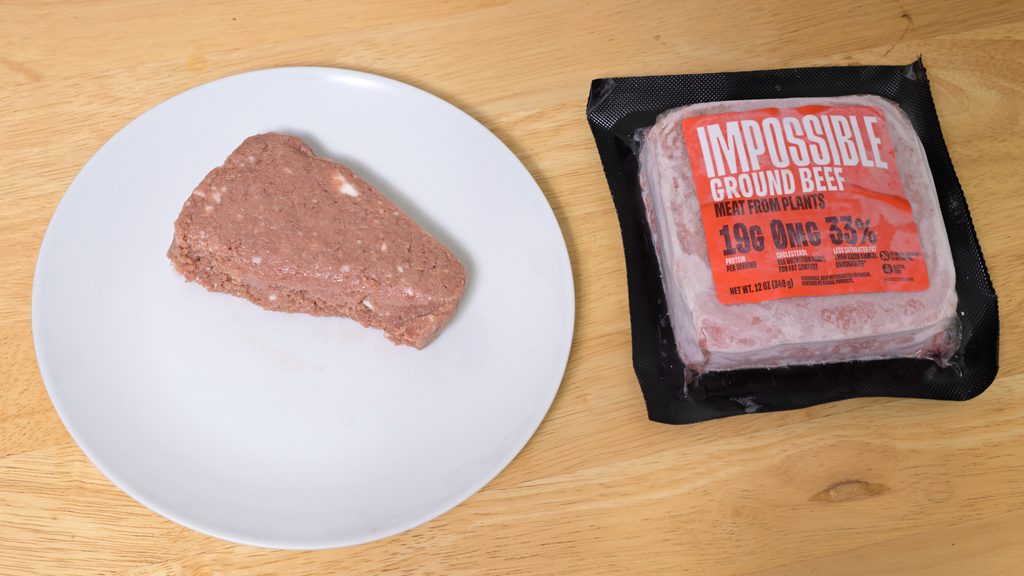
A large survey of plant-based foods and beverages sold in the U.K. has found that mycotoxins — toxic compounds naturally produced by fungi — are widespread across vegetarian and vegan products. The research was published in the journal Food Control.
Researchers analyzed 212 plant-based meat alternatives (PMBAs) and plant-based beverages (PBBs) purchased from U.K. stores. Every product tested contained at least one of 19 mycotoxins, and some contained several.
The study was led by the University of Parma in Italy and coauthored by Cranfield University. Researchers examined a wide range of products commonly available to U.K. shoppers, including burgers, vegetarian chicken pieces, vegan sausages, and oat-, almond-, and soy-based milks.
Mycotoxins can be especially common in plant-based products because many of their ingredients, including grains, legumes, and seeds, may be exposed to mold while they are being grown or stored.

Despite the widespread detection of mycotoxins, the levels measured in the U.K. products remained below recommended EU guideline levels. The researchers said this reflects the high quality standards maintained by the U.K. food industry.
The concern is not necessarily the amount present in a single product. Previous research studies have indicated that repeated exposure to small amounts of mycotoxins can add up over time and may eventually create health concerns.
Eating individual plant-based products is therefore unlikely to cause problems on its own. However, the researchers say that a diet based entirely on plant foods could increase cumulative exposure to mycotoxins if that exposure is not properly managed. In severe cases, mycotoxin exposure has been associated with liver and kidney damage, suppression of the immune system, and cancer.
Winter Canola Could Profit Illinois Farmers, Improve Sustainability
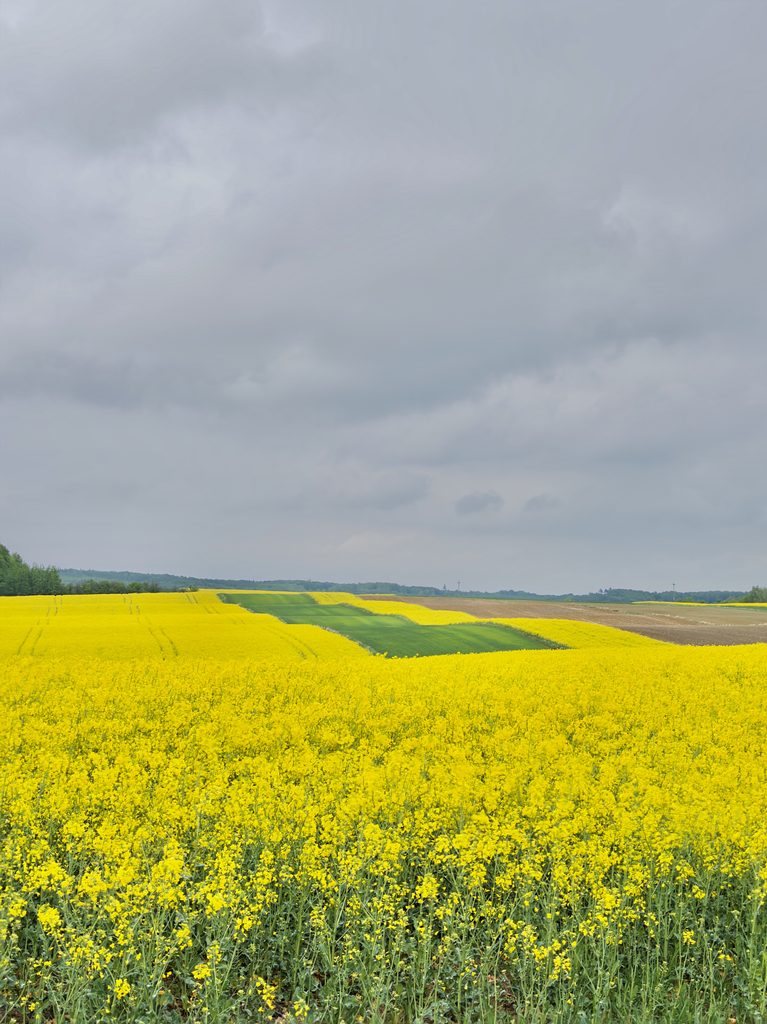
A new simulation study from the University of Illinois Urbana-Champaign suggests winter canola could be profitable and environmentally beneficial if added to a conventional corn-soy rotation in the U.S. Midwest.
“In the six months between fall harvest and spring planting, the land is just sitting there. Cover crops help protect the soil, but they don’t typically generate revenue. A winter oilseed crop like canola could protect the soil and generate farm revenue by providing a feedstock for sustainable fuels,” said senior study author D. K. Lee.
The study simulated winter canola in a double-cropping system in Illinois. The research team used a model called DayCent to simulate the crop’s performance under real environmental conditions measured between 2019 and 2024.
The model compared a conventional corn-soy rotation (scenario 0) with a corn-canola-soy rotation under four nitrogen fertilizer scenarios: scenario 1, with no added nitrogen during canola growth; scenario 2, with 100 pounds of nitrogen per acre applied in spring; scenario 3, with 25 pounds of nitrogen applied in fall and 100 pounds in spring; and scenario 4, with 50 pounds applied in fall and 100 pounds in spring.
The study’s integrated performance ranking — which scored all five scenarios simultaneously on yield, biomass, greenhouse gas intensity, total emissions, carbon balance, and net return — found that the diversified rotation with full-season nitrogen support for canola (scenario 4) outperformed the conventional rotation across productivity, carbon, and economics at once.
“The important finding isn’t just that canola adds a harvest,” said co-author Chunhwa Jang. “It’s that the diversified system increases overall productivity by 18 percent while maintaining a stable greenhouse gas intensity. The additional production more than offsets the associated increase in greenhouse gas emissions.”
Lee added, “Net ecosystem carbon balance shows whether a field is gaining or losing carbon overall. Across all the diversified cropping scenarios, this balance improved by about 21 to 27 percent, and the benefits increased over time. The main reason was that canola provided more continuous plant cover and added carbon to the soil through its roots and crop residues.”
In other words, overall emissions improved, and more carbon was stored with canola than without. Additionally, the paper reports that every diversified scenario outearned the conventional rotation, with annual profits 10 to 23 percent higher.
Although the results are based on a simulation and still need to be validated by upcoming field trials, the researchers say the potential benefits of canola align well with new incentives and policies related to regenerative agriculture.
Lee added that winter canola is currently best suited for double cropping in southern Illinois, but with concerted breeding efforts for cold tolerance, its range could expand further north.
Low-Cost Spray Enables Tomato Growth in Salty Soils
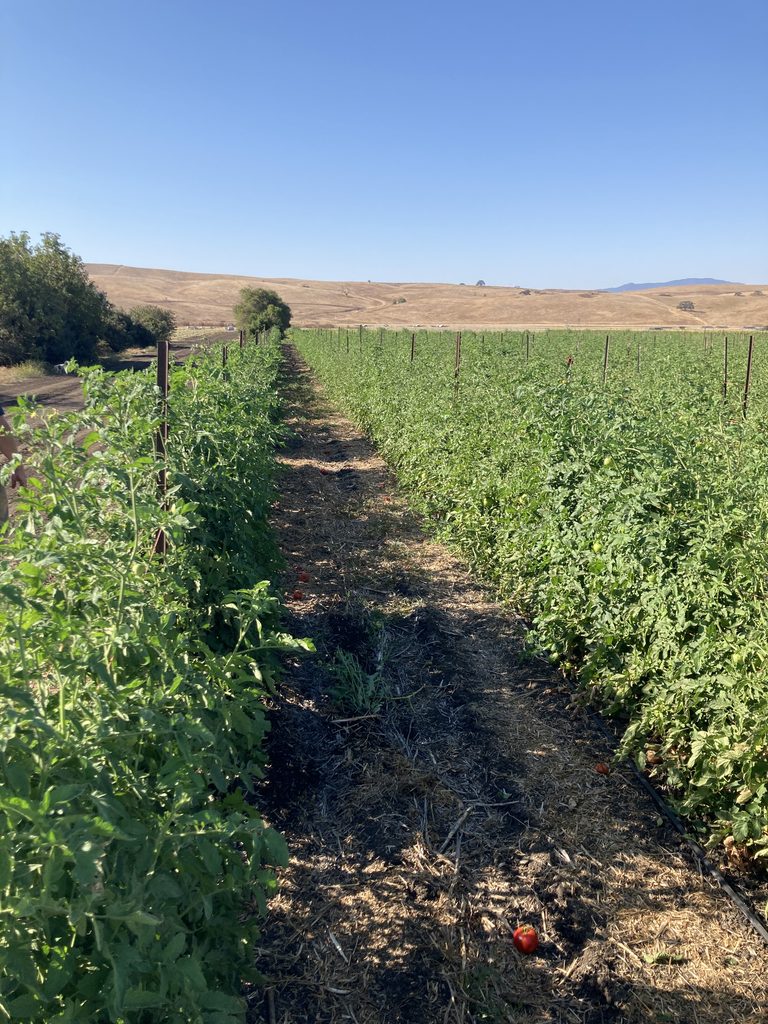
A simple, low-dose leaf spray could give farmers a practical new tool to keep growing tomatoes on land that salt has rendered increasingly unproductive, according to a study led by a researcher at the University of Texas at El Paso.
“Salinity is one of the most pressing threats to global food security, and growers need solutions they can actually put to use in the field,” said researcher Hamidreza Sharifan.
High levels of salt in soil can prevent plant roots from absorbing water, which can lead to slowed photosynthesis. Excess salt can also become toxic for plants and can lead to nutrient deficiencies, which in turn lead to reduced crop productivity. Soil salinity affects more than 3.2 million square miles of land globally — an area roughly the size of Australia or Brazil — and threatens 20 to 30 percent of the world’s irrigated cropland, especially in arid and semi-arid regions.
Tomatoes rank among the most widely grown vegetables on Earth, with global production reaching roughly 192 million tons in 2023. Even modest gains in salt tolerance could thus protect a significant share of the food supply.
The team’s treatment pairs manganese oxide nanoparticles with chitosan, a natural biopolymer derived from crustacean shells, in a solution that is applied directly to plant leaves. In greenhouse trials, the two-part spray substantially reversed the damage that salty soil inflicts on tomato plants, pointing to an affordable and sustainable option for the farmland worldwide that is degraded by salt.
Published in the International Journal of Phytoremediation, the study tested the spray on tomato plants exposed to moderate and severe salt stress. Under the harshest conditions, the combined treatment doubled shoot weight and increased root weight by more than 55 percent compared with untreated, stressed plants. It also restored photosynthetic pigments, raising carotenoid levels by roughly 91 percent, and sharply lowered chemical markers of cellular damage. Antioxidant enzyme activity climbed by as much as 300 percent, helping the plants defend themselves against stress rather than succumb to it.