

Plant photosynthesis creates the molecules of life, turning rocks into living soil
Regenerative agriculture begins with plants, which create soil by using photosynthesis to feed their microbiome with the molecules of life.
The key to successful regenerative agriculture is thus maximizing solar energy capture through photosynthesis in plant leaves. Photosynthesis combines carbon dioxide (CO2) and water to create glucose and the oxygen that is essential for most living organisms, including humans.

Glucose is the basic building block of life. It is the primary energy source for most living cells, including bacteria, fungi, plants and animals:
- Glucose molecules, combined with water, form cellulose, the basis of wood, leaves and stems.
- Glucose can be transformed into thousands of types of sugar.
- Glucose can also become carbohydrates such as starch, which is the foundation of flour, bread, and staples like rice, wheat, corn, potatoes, cassava and taro.
- These carbohydrates can be converted into hydrocarbons — oils and fats.
- With the addition of nitrogen and sometimes sulfur, glucose forms amino acids, which create proteins, hormones, nerves, skin, muscles, eyes, brain, bone marrow, blood cells and all bodily tissues of living organisms.
These are the molecules of life, and they all originate from glucose!
Glucose also fuels the soil microbiome, making nutrients, water and pest and disease controls available to plants and animals. Photosynthesis is the foundation of most life on Earth—directly and indirectly. Logically, maximizing leaf area in farming systems ensures the highest productivity by capturing the most solar energy to generate glucose.
Regenerative systems must thus maximize the number of living plants, since only living plants — not dead plants or bare soil — produce the molecules of life.
Managing the 95 Percent
Between 95 and 98 percent of a plant’s biomass (body) comes from water and CO2 via the glucose produced through photosynthesis. Only 2 to 5 percent comes from soil minerals, yet this small percentage is essential for crop yield. Properly managing soil minerals is critical, as the right balance optimizes plant growth and maximizes biomass — and thus soil organic matter (SOM). However, the 95 percent is often neglected in conventional agronomy.
Root exudates can distribute 10 to 40 percent — averaging 30 percent — of the carbon captured by photosynthesis into the soil. Root exudates penetrate deeper into the soil than aboveground biomass, which can quickly oxidize into CO2. Systems with deeper roots should be encouraged, as their exudates build more stable SOM.
The Rhizosphere

Source: Watt, et al., Annals of Botanay, 2006
The highest concentration and diversity of microorganisms reside near plant roots, which shed organic carbon compounds. This area, called the rhizosphere, plays a crucial role in nutrient availability, pest protection and soil aggregation.
Plant roots deposit complex carbon molecules and bioavailable minerals into the soil annually, forming topsoil and good soil structure. These substances create aggregated, aerated soil that enhances water infiltration, root penetration and fertility.
These complex carbon compounds — the molecules of life — nourish billions of microbes, including actinomycetes, bacteria, and fungi, forming the soil food web or microbiome. These microbes fix nitrogen for crops, eliminating the need for chemical fertilizers. While agronomy texts focus on rhizobium bacteria in legumes, research continues to uncover additional nitrogen-fixing microorganisms.
Another essential group is VAM (vesicular arbuscular mycorrhizae) fungi. These fungi colonize roots, extending their mycelium threads into the soil to extract minerals in exchange for glucose. They enhance phosphorus uptake, protect against diseases, and increase plants’ access to water and nutrients.
Despite advances, the complexity of rhizosphere interactions remains poorly understood. High microbial biodiversity is essential for disease suppression. Studies show that more than 33,000 species can work together to suppress plant diseases.
Photosynthesis Management in Cropping Systems

Source: Leu, Growing Life
Well-managed weeds and cover crops can release more bioavailable nutrients into the soil than they remove. Ensuring photosynthesizing plants are present for as long as possible enhances SOM through root exudates. Permanent plant cover and reduced tillage are preferred for increasing SOM.
Contrary to popular belief, synthetic nitrogen fertilizers deplete SOM. A 50-year study found that applying synthetic nitrogen fertilizer resulted in significant soil carbon loss, with an average of 10,000 kg per hectare (10,000 lbs per acre) oxidizing into CO2. The more synthetic nitrogen used, the greater the SOM loss.
Plants feed themselves primarily through photosynthesis. Reducing leaf area through grazing or cutting lowers the sugars and amino acids available to roots, causing plants to shed roots they cannot sustain. These cast-off roots feed soil microbes, making nutrients available to the main crop.

Source: André Leu
The priority in managing weeds and cover crops should be to ensure that the cash crop has primary access to sunlight and water, since these factors, along with CO2, account for 95 percent of plant biomass. This principle underpins regenerative no-till and minimum-till systems, where crops are strip-tilled into pastures or cover crops. Effective species selection and management prevent competition with the main crop while improving fertility.
Examples of Regenerative Systems Maximizing Photosynthesis
Cover crops improve soil fertility, structure, and pest control. They are planted primarily to capture sunlight via photosynthesis, thus producing the microbes of life and supporting soil microbiomes. Legume mixes provide free nitrogen and organic matter, building soil health.
Agriculture needs to change from chemically intensive to biologically intensive. The new paradigm reduces and ultimately avoids the use of synthetic chemicals. Plant biology and living soil science must be at the forefront of this research.
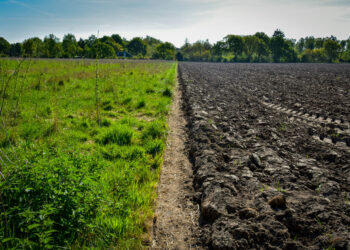
A general rule is to keep the soil covered with the maximum number of living plants for as long as possible during the growing season. Dead plants and bare soil do not photosynthesize, so the most productive regenerative systems strive to avoid killing plants with herbicides and excessive tillage. Instead, plants are managed as cover crops to enhance soil fertility by maximizing root exudates. Various strategies may be employed to manage weeds and utilize them as cover crops to build fertility. Grazing is one of the most widespread management tools in these regenerative systems.
Pasture cropping, developed by Colin Seis in Australia, integrates crops into perennial pastures. The crop is strip-tilled into a closely grazed perennial pasture instead of bare soil, removing the need for tillage or herbicides. The system is based on the principle that annual plants grow in perennial systems.
Dr. Christine Jones found that Seis’s farm sequestered 16.85 tons of CO2 per hectare annually. Soil nutrients increased as well — 177 percent for calcium, 38 percent for magnesium, 48 percent for nitrogen, etc.
Innovations by Neils Olsen improved pasture cropping by combining aeration, fertilization, and seeding in a single pass. In 2019, Olsen was paid for sequestering 11 tons of CO2 per hectare under Australia’s Carbon Farming Scheme. In 2020, he was paid for 13 tons per hectare.
Pasture cropping is adaptable across climates. For example, rice has been strip-tilled into red clover pasture, and onions have been grow in perennial ryegrass mulched by a mower.
Conclusion
Regenerative agriculture is driving a significant revolution in farming. Farmers, rather than researchers or agronomists, are leading these innovations. The shift from chemically intensive to biologically intensive agriculture is essential. Plant biology and living soil science must guide future research and practice.
André Leu, D.Sc., is the International Director of Regeneration International. He is the author of The Myths of Safe Pesticides, Poisoning Our Children, and Growing Life, all available at bookstore.acresusa.com.